About this place
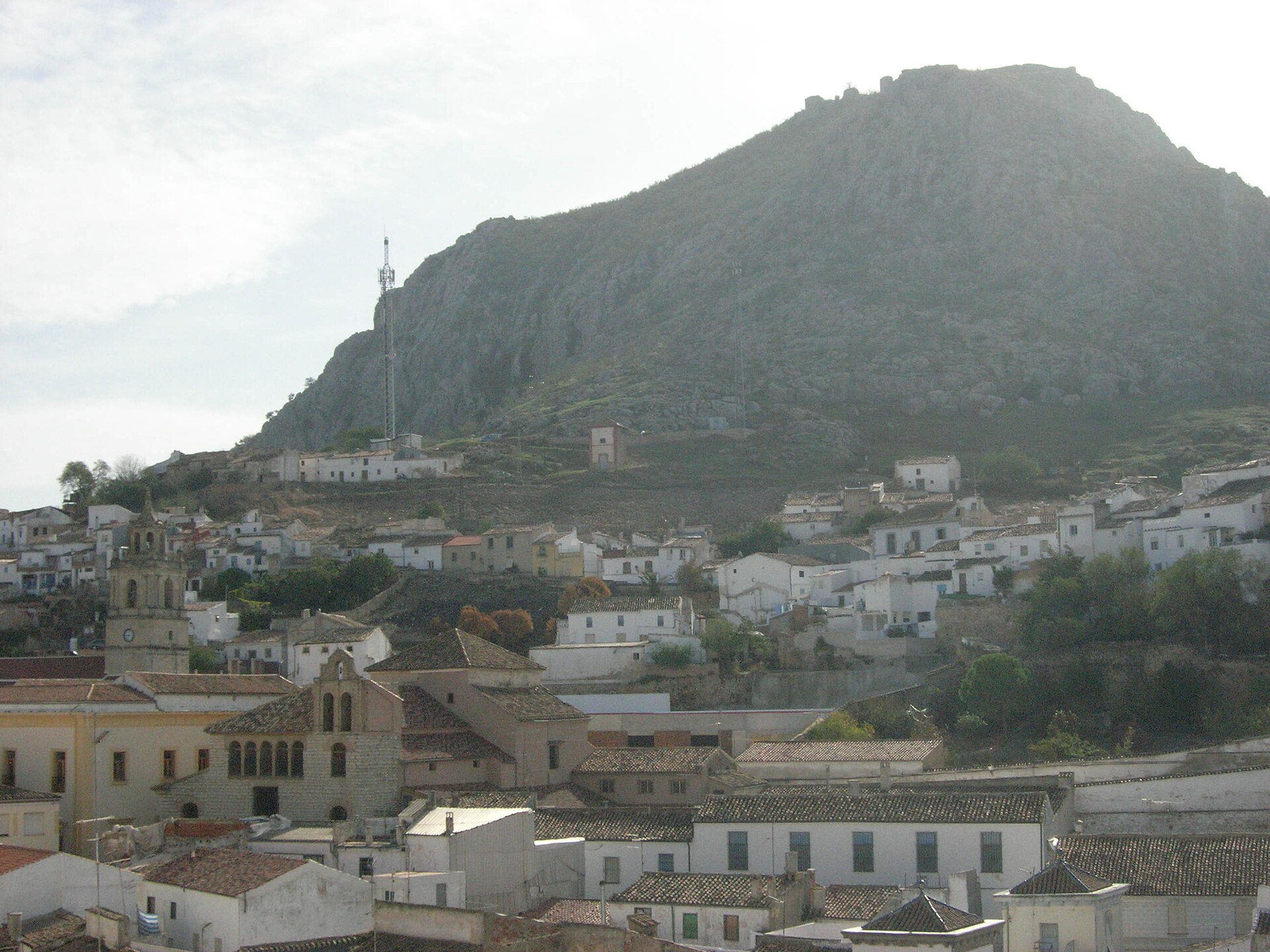
Castillo de Torredonjimeno is a medieval fortress in Torredonjimeno, a small town in the province of Jaén, Andalusia, built on the site of an earlier Arab farming settlement.
How do you get there?
Torredonjimeno sits just a short drive from Jaén and Martos, along the route that once connected the two cities — the very reason a fortress was built here in the first place. Driving from Jaén takes around 20 minutes, and the town is also reachable by regional bus from nearby cities. The castle stands right within the town itself, so no separate excursion outside Torredonjimeno is needed.
What will you see?
The site's earliest structure was an Arab alquería (a farming settlement) dating from the 8th to the 10th century. Between the 11th century and the early 13th century, the Arabs raised a proper fortress here to shield local farmers and herders from internal Arab conflicts and the advancing Christian forces, while also controlling the road linking Jaén and Martos.
The turning point came after the pact of Las Navas de Tolosa, when the ruler al-Bayyasi ceded Martos to Ferdinand III; after 1228, Martos became the seat of the Order of Calatrava. Torredonjimeno was absorbed into the Order's territory, and the old Arab castle underwent a deep transformation — the result was a medium-sized, rectangular fortress, thoroughly rebuilt by the Calatrava knights.
The castle was reinforced again after Nasrid king Muhammad V raided the Jaén area in 1368: in response, the town added an outer defensive wall to protect the population, while the castle's own internal defenses were strengthened as well.
The fortress's fate changed for good in 1526, when Charles V authorized the demolition of Torredonjimeno's town walls — the stone was reused to build the Church of the Immaculate Conception of Santa María. Once its military role disappeared, the Guzmán family converted the castle into a noble residence. In 1949, the site was declared a Cultural Heritage property.
Visitors today can still trace this layered history in stone — surviving defensive walls and structural fragments that carry marks of each phase, from the original Arab stronghold through the Calatrava-era fortress to the later residential remodeling under the Guzmán family. It's a compact, physical timeline rarely found this concentrated in a single site.
When should you visit?
Andalusia's summers run hot, so spring (March–May) and autumn (September–November) are the most comfortable seasons for exploring, with much milder temperatures than July and August. Torredonjimeno lies inland, where the heat can be intense, so mornings or late afternoons are the best times to walk around the site.
Frequently asked questions
Is the castle open to the public? The castle sits in the center of Torredonjimeno, and its exterior can be viewed freely; for access to the interior and current opening hours, it's worth checking locally, since the site plays an active role in the town's cultural and historical life.
Where does the name Torredonjimeno come from? The town's name derives from a tower (torre) linked to a historical figure named Jimeno — a naming pattern common in the region, pairing a defensive structure with the name of its owner or overseer.
Is it worth combining a visit with other sights in the area? Yes — the proximity to Jaén and Martos makes it easy to pair a visit to the castle with other regional landmarks, including medieval fortifications tied to the Order of Calatrava, which are characteristic of this part of Andalusia.
What architectural style defines the castle? The castle layers Arab-era construction (the oldest part, from the alquería and early fortress) with a later Calatrava-style military rebuild, plus residential features added once the Guzmán family took ownership of the site.
Nearby places

Earn badges for the places you visit
Download NextOnTrip, discover new places and check off your trails.