About this place
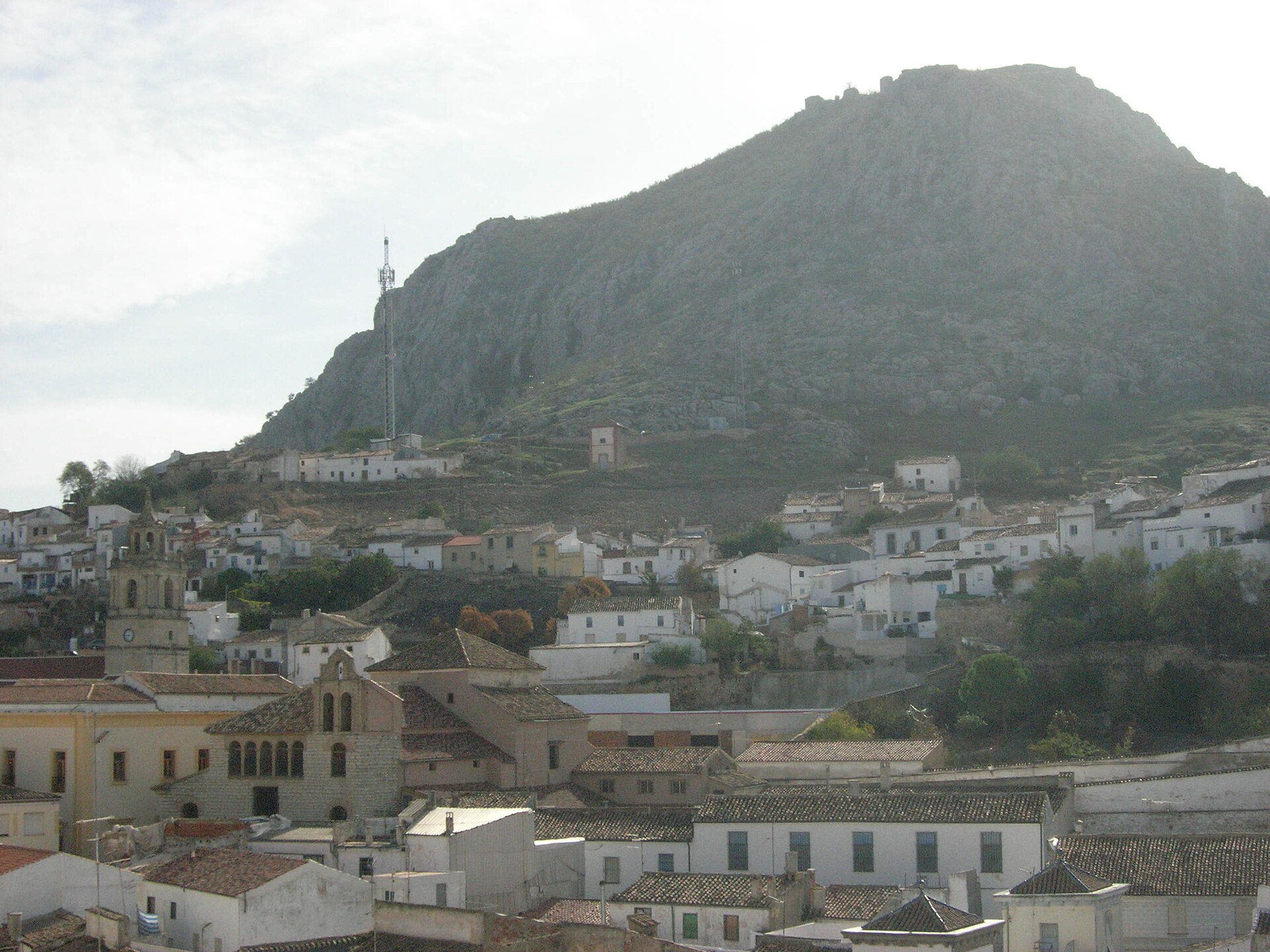
Castillo is a medieval castle in Villardompardo, a small town in the province of Jaén, in the heart of Andalusia. It stands on a hilltop overlooking the surrounding countryside in the region known as La Campiña, and its history predates the fortress itself — the site has also yielded traces of a Copper Age settlement and the remains of a fortified Roman camp from the 1st–2nd centuries AD.
How to get there?
Villardompardo lies in the province of Jaén, amid the gently rolling farmland typical of La Campiña. The castle sits on high ground above the town, visible from a considerable distance — the very reason medieval builders chose this spot for a fortification.
What will you see?
The castle was built in the 13th–14th centuries as an irregular, trapezoidal walled enclosure with four corner towers, three of which survive today. The largest is a rectangular keep in the southwest corner, rising four storeys, with a cistern on its ground floor. The other two remaining towers are the base of a circular tower to the northwest and a rectangular tower that once guarded the northeast entrance.
A notable later addition is the Renaissance facade built in the 16th century, bearing the coat of arms of Fernando de Torres y Portugal, the first Count of Villardompardo, appointed in 1576. He transformed the austere stronghold into a palatial residence, adding elegant classical architectural details typical of the period.
From the terrace of the keep, visitors can take in sweeping views of the surrounding towns, including El Berrueco, Andújar, Arjona and Martos — a panorama that makes clear why this hilltop was chosen as a strategic defensive position.
Discover the history
The castle was built in the 13th century, shortly after the Christian conquest of Jaén in 1246. King Ferdinand III the Saint granted the surrounding lands to Pedro Aznar Pardo, who raised the fortress. In the 15th century, during the nobles' uprising against Henry IV of Castile, Villardompardo remained loyal to Constable Iranzo and withstood attacks from rebel Calatrava knights.
Under Philip II, the town became the seat of a county, and Fernando de Torres y Portugal turned the old stronghold into a stately noble residence. Until the end of the 18th century, the castle passed through the hands of the marquises of Bélgida and the counts of Villardompardo. It was later neglected, and the lack of upkeep led to the gradual decay of its walls and towers, leaving the structure in near-total ruin by the 19th century.
Between 2012 and 2023, urgent stabilization works and archaeological excavations were carried out, allowing the perimeter walls and the three surviving towers to remain standing and open to visitors today.
When to visit?
Andalusian summers can be scorching, so spring or autumn are the best times for exploring the hilltop and the ruins, when temperatures are milder and the views from the keep's terrace are at their clearest.
Frequently Asked Questions
Where exactly is the castle located? In the town of Villardompardo, in the province of Jaén, in the La Campiña region of Andalusia.
How many towers have survived? Of the original four corner towers, three remain: the large rectangular keep, the base of a circular tower, and a tower that once guarded the entrance.
What can you see from the castle's terrace? A wide panorama of surrounding towns, including El Berrueco, Andújar, Arjona and Martos.
Have excavations been carried out at the site? Yes — alongside the medieval layer, archaeologists have found traces of a Copper Age settlement and a fortified Roman camp from the 1st–2nd centuries AD.
Nearby places

Earn badges for the places you visit
Download NextOnTrip, discover new places and check off your trails.