About this place
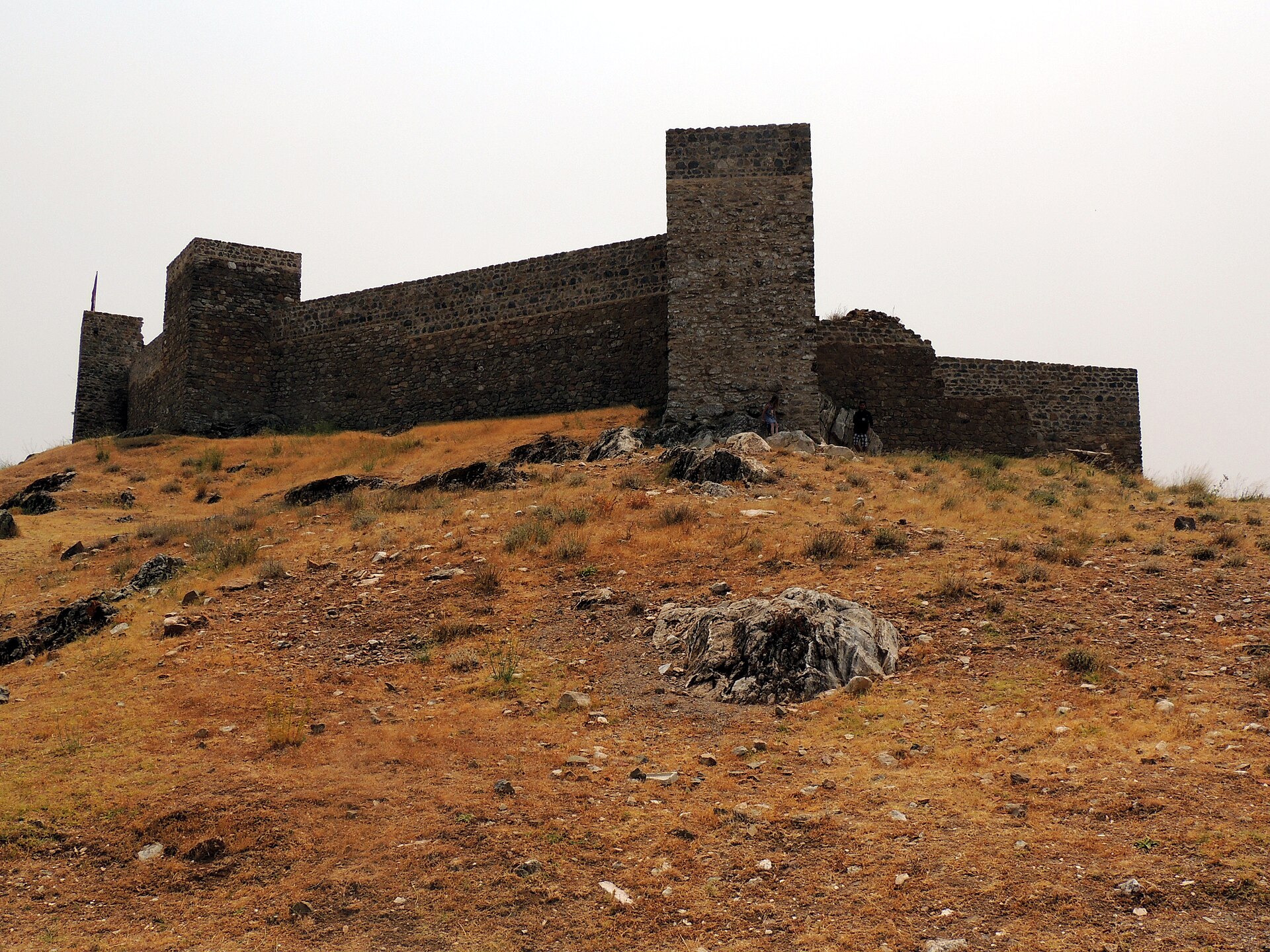
Castillo de las Torres is a ruined medieval fortress standing on the outskirts of Monesterio, in the province of Badajoz, Extremadura. The castle sits within the former Baldío de Calilla, well away from the town's built-up area, which gives the site an isolated, untamed feel.
Why was it built here?
The exact circumstances behind the castle's construction remain unclear — no surviving documents spell out who ordered it or why. Based on its architectural style, historians place the building in the 15th or 16th century. The most widely accepted theory is that the fortress was meant to watch over the nearby Vía de la Plata, an ancient route linking the south and north of the Iberian Peninsula, and to oversee transhumance — the seasonal movement of livestock between mountain and lowland pastures. Monesterio has long sat along such migration paths, so a lookout post here made practical sense from both a military and an economic standpoint.
What will you actually see?
The castle follows an unusual trapezoidal floor plan, a less common shape than the square or rectangular layouts typical of fortresses from the period. A round tower rises at each of the four corners. The tallest, in the southwest corner, still preserves fragments of the staircase that once led to the roof — it's the tower that best conveys the building's original scale. Inside the walls, right next to the old entrance, the remains of a cistern survive, largely filled in today, which once supplied water to the garrison.
The site is now in a state of progressive ruin. Sections of wall have collapsed, roofs and floors are gone, and vegetation is steadily reclaiming the grounds. Visiting feels more like stumbling upon a forgotten place than touring a polished attraction — come prepared for an authentic, unrestored ruin rather than a curated site.
How do you get there, and can you go inside?
Castillo de las Torres stands on private land, so entering the castle grounds requires the owner's permission. Before visiting, it's worth checking locally in Monesterio — at the town hall or a tourist information point — whether and how access is currently possible. Reaching the general area from town isn't difficult; local roads through the former Baldío de Calilla lead to the site.
When is the best time to visit?
Extremadura summers run very hot, so spring and autumn are the best seasons for exploring open terrain with little shade or infrastructure — temperatures are milder and the surrounding hills turn green after the rains. Winters are cooler but usually dry and sunny, which also makes for pleasant walking conditions nearby.
Frequently asked questions
Can I enter the castle without permission? No — the land is private, and access requires the owner's consent. It's best to check in advance, for instance by asking locally in Monesterio.
How old is the castle? Its architecture points to the 15th or 16th century, though the exact construction date is unknown.
Why was the castle built? The leading theory is that it controlled the Vía de la Plata route and oversaw transhumance, the seasonal herding of livestock.
What actually survives of the structure? The trapezoidal outline of the walls, four round corner towers (the southwest one best preserved), and the remains of a cistern near the former entrance.
Nearby places

Earn badges for the places you visit
Download NextOnTrip, discover new places and check off your trails.