About this place
Castell del Brull is a medieval castle ruin perched on a hill in the municipality of El Brull, in the Osona region, at the northern foot of the Montseny massif in Catalonia. Little remains today beyond sections of wall and towers, but its unusual pentagonal layout and history stretching back over nine centuries make it a rewarding stop for anyone exploring the area.
Where does this fortress come from?
The castle is first documented in 1071, and for the following two centuries it belonged to the counts of Osona, a lineage that later took the name and title of Cardona. Once that family moved its main seat to Cardona, they sold the castle along with the territory of Brull to the bishop and cathedral chapter of Vic, in transactions dated 1266 and 1271. From the 14th century until 1812, the bishops of Vic held Brull as its lords and barons, turning the site into a significant administrative center for the region during that long stretch.
What will you see there?
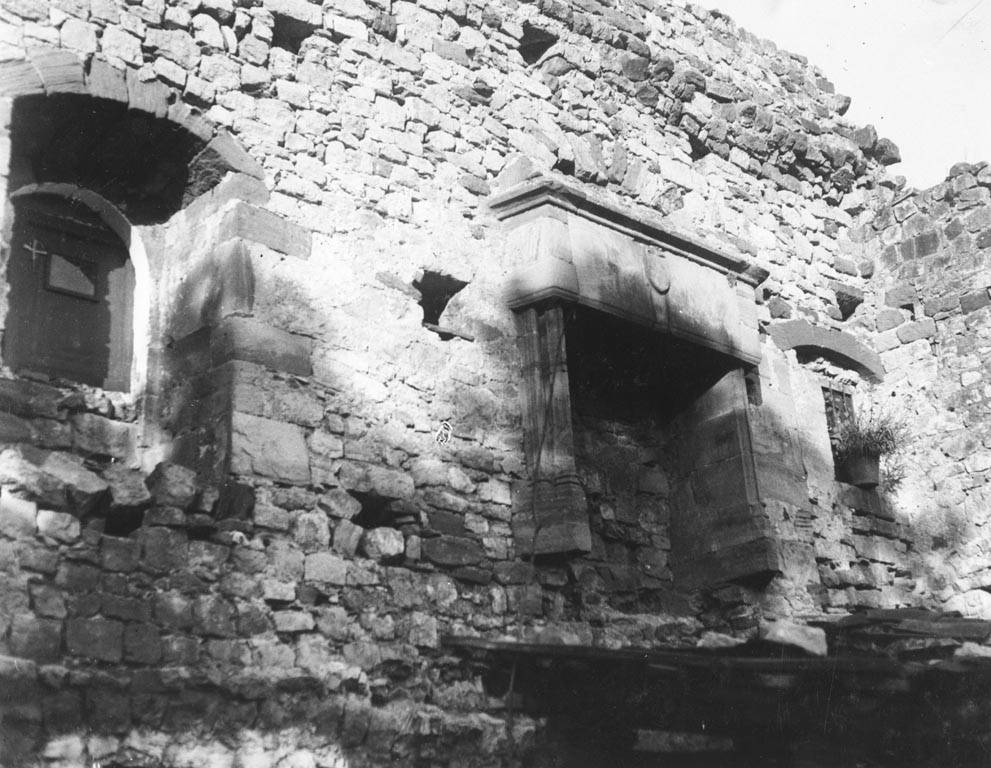
The castle was built on a pentagonal plan, with a tower at each of its five corners — an unusual design among Catalan fortresses of the period. Historians identify two building phases, dated to the 12th and 13th centuries. In the earlier phase, the walls were raised from blocks of white limestone bonded with a very grainy lime mortar, laid in regular courses, and the towers measured roughly a meter in diameter. Today the ruins are consolidated and landscaped for visitors, with open access to the site — walking among the remaining walls, you can still trace the outline of the original fortification. The castle sits on a hill west of the church of Sant Martí, with views stretching over the surrounding hills of Osona and the first slopes of Montseny. The site is listed as a Cultural Asset of National Interest (Bé Cultural d'Interès Nacional), confirming its historical value.
How to get there and when to visit?
El Brull lies in the Osona region, not far from larger towns such as Vic and Sant Celoni, and the best way in is by car along the local roads leading toward Montseny Natural Park. The castle ruins stand on a rise near the village itself, so it's worth covering the final stretch on foot. Because the ruins are open and unsheltered, spring and autumn are the best times to visit, when temperatures are mild and the views over the surrounding hills are at their clearest. It's worth pairing the visit with a walk through the village of El Brull and the nearby church of Sant Martí, or a longer hike into Montseny if time allows.
Frequently asked questions
When was Castell del Brull built? The castle is first mentioned in 1071, with its main construction attributed to two building phases in the 12th and 13th centuries.
Who owned the castle over the centuries? For its first two centuries it belonged to the counts of Osona (later Cardona); from 1266–1271 until 1812 it belonged to the bishops of Vic, who held Brull as its lords and barons.
What makes this castle architecturally distinctive? Its unusual pentagonal plan, with a tower at each of the five corners — a layout rarely seen among medieval Catalan castles.
Can visitors explore the ruins on their own? Yes, the site is consolidated and landscaped, with open access — it's best combined with a visit to the village of El Brull and the surrounding Montseny area.
Nearby places

Earn badges for the places you visit
Download NextOnTrip, discover new places and check off your trails.