About this place
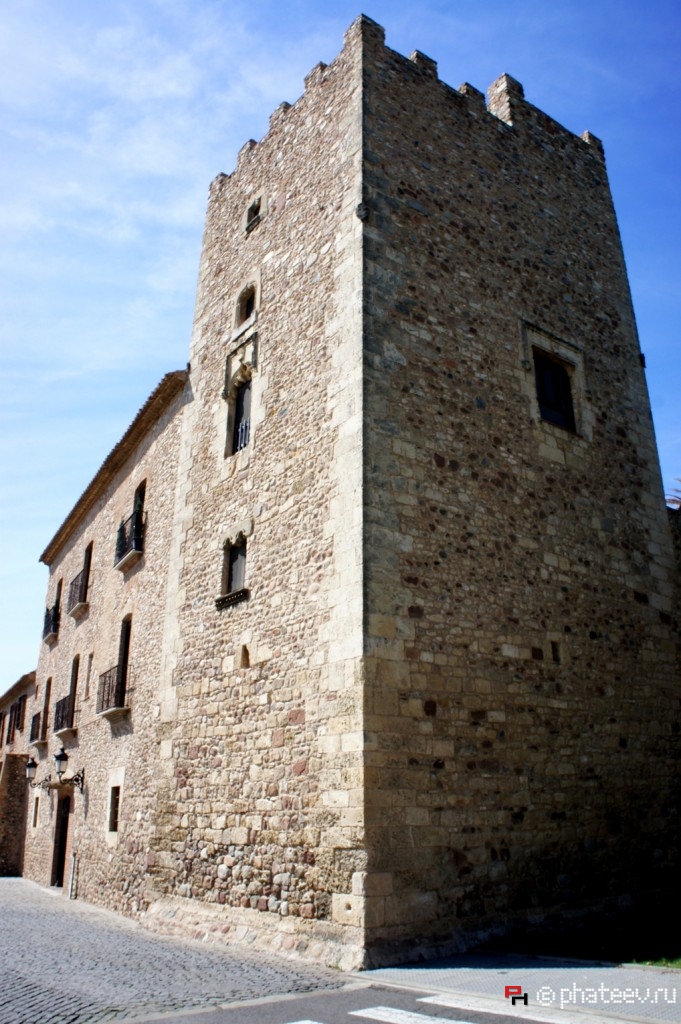
Castell de Vilafortuny is a medieval castle standing in the Vilafortuny district of Cambrils, on the Costa Daurada coast in Tarragona province. From the outside it looks like a modest fortified house tucked among greenery, but its story stretches back to the 12th century and ties directly into the early history of Cambrils itself.
Where does the name come from, and who built it?
The earliest record of Vilafortuny appears in Cambrils' 1152 settlement charter, which granted the area to a nobleman named Guillem de Fortuny. Two years later, in 1154, Guillem struck a deal with Count Ramon Berenguer IV of Barcelona: he agreed to repopulate the land and raise a castle here, on condition that he answered only to the Count of Barcelona and no other feudal lord. His surname gave the settlement — and the castle — its name: Vilafortuny, "Fortuny's village."
By 1194 a parish church was already serving the community next to the castle, a sign that the settlement around the fortress had grown quickly.
Why was the castle destroyed so many times?
Its coastal position, a clear advantage for today's visitors, was a liability for centuries. Vilafortuny sat directly in the path of Saracen pirate raids and was sacked more than once. A recorded attack and destruction in 1582 suggests the castle had already been rebuilt earlier, likely sometime between the 15th and 16th centuries — which explains why so little of the original 12th-century structure survives.
How did ownership of the castle change over time?
In 1760 the Pinós family, marquises of Barberà, sold the estate to Salvador de March i Bellver, a merchant from Reus, who carried out a major renovation. The property then passed to his descendants, Joaquim de Miró i de March and Ferran de Miró i d'Ortafà. Later it belonged to the Castellarnau family of Tarragona, before eventually reaching the Marquesa de Mesa de Asta.
One striking chapter in the castle's history is the Spanish Civil War: Republican forces confiscated the building and used it to house the International Brigades.
What can you actually see there today?
Castell de Vilafortuny is now listed as a cultural asset of local interest (BCIL). Because of the many rebuilding phases over the centuries, very few genuinely medieval elements remain — what you see today largely reflects later, early-modern renovations rather than the original 12th-century fabric.
The castle currently operates as an event venue. Its roughly 1,665 square metres hold three large halls decorated in a rustic style, used for weddings, baptisms and first communions. That means it isn't a static historical relic — it's a working part of local social life, still hosting celebrations today.
How do you get there, and when's the best time to visit?
The castle sits in the Vilafortuny neighbourhood, between central Cambrils and Salou, a short distance from the Costa Daurada shoreline. That makes it an easy stop for anyone exploring the area on foot or by bike, combining a beach walk with a quick detour to see the historic building. Since the venue is often booked for private events, it's worth checking availability ahead of a visit, especially in spring and summer, when most celebrations take place.
Frequently asked questions
How old is Castell de Vilafortuny? The earliest mentions date to 1152–1154, though the structure standing today largely reflects rebuilding work from the 15th–16th centuries and later renovations.
Can you visit the castle? It now functions as an event venue for weddings, baptisms and communions, so public access is often limited to organised events — check current visiting arrangements on site.
Where does the name Vilafortuny come from? From Guillem de Fortuny, the 12th-century nobleman who repopulated the area and built the castle under an agreement with the Count of Barcelona.
Does the castle have a Spanish Civil War history? Yes — during the war it was confiscated by Republican forces and used to house the International Brigades.
Nearby places

Earn badges for the places you visit
Download NextOnTrip, discover new places and check off your trails.