About this place
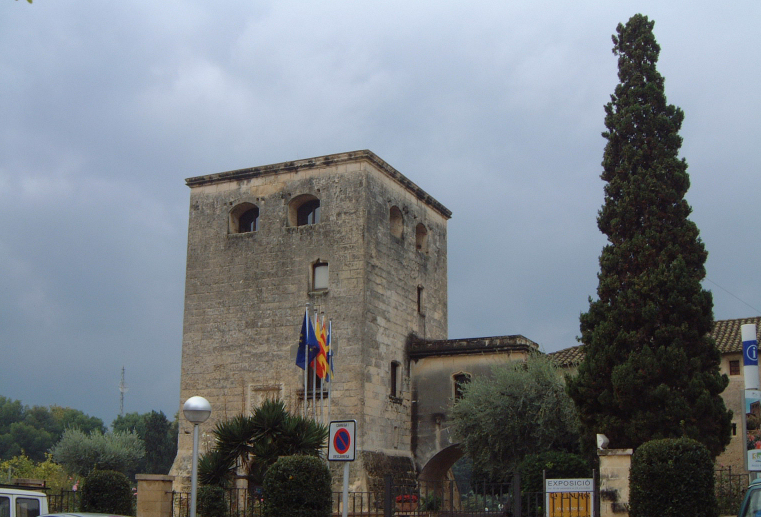
Portal de Sant Antoni is a monumental gate that once formed part of the town walls of Vila-seca, Catalonia. It is a modest but distinctive piece of defensive architecture, protected as a cultural property, and it still marks a recognizable landmark for locals and visitors exploring this stretch of the Costa Daurada.
Vila-seca sits in the Tarragonès comarca, right next to Salou and within easy reach of Tarragona and the PortAventura theme park. Because of this, the Portal de Sant Antoni is often stumbled upon by travelers who came to the coast mainly for the beaches of La Pineda but want a glimpse of the region's older, historic layer as well.
How to get there?
The gate stands within the built-up area of Vila-seca, which makes it an easy walk for anyone staying in town or in nearby La Pineda. Travelers relying on public transport can reach Vila-seca by local bus services from Tarragona and Salou, while Vila-seca's train station connects to regional lines running along the Costa Daurada coast. Drivers will find the town simple to reach, as it sits along the main roads linking Tarragona and Salou, with public parking available near the center. The closest airport is Reus, just a short drive away, which makes the Portal de Sant Antoni an easy stop even on a brief visit to the coast.
What will you see?
The gate itself is a surviving fragment of the town's historic walls — a stone structure that remains one of the few visible traces of Vila-seca's older defensive layout. It's worth pausing here to look at the architectural details and picture how the walled town once worked, back when gates like this one controlled access and protected residents inside. The site doesn't call for a long visit; it works well as a short stop during a walk through the older part of Vila-seca, before continuing on toward the town center or the seafront.
The area around the gate is also a good starting point for exploring other corners of Vila-seca — quiet streets, local squares, and cafés that feel far removed from the busier tourist buzz of neighboring Salou. It suits travelers looking for a more authentic, lesser-known side of this part of the Costa Daurada.
When to visit?
The gate can be visited year-round, since it stands in the open and is accessible at any time of day. The region has a typical Mediterranean climate, with hot summers and mild winters, so spring and autumn offer the most comfortable conditions for sightseeing, with pleasant temperatures and fewer crowds in the streets. Summer, while popular thanks to the nearby beaches and PortAventura, brings higher temperatures and busier surroundings, which is worth factoring in when planning a walk through the historic part of town.
Frequently asked questions
Is there an entrance fee for the Portal de Sant Antoni? No, the gate is part of the town's public space and can be viewed free of charge at any time.
How much time should I plan for a visit? It's a small site, so a few minutes is enough to see it — it works best combined with a walk through the older part of Vila-seca.
Can the Portal de Sant Antoni be combined with other nearby attractions? Yes, the gate is close to La Pineda beach and PortAventura Park, so it fits easily into a day of sightseeing around Vila-seca and the surrounding area.
What's the best way to get there without a car? The easiest option is a local bus or regional train to Vila-seca, followed by a short walk to the gate — the town center is compact and easy to cover on foot.
Nearby places

Earn badges for the places you visit
Download NextOnTrip, discover new places and check off your trails.