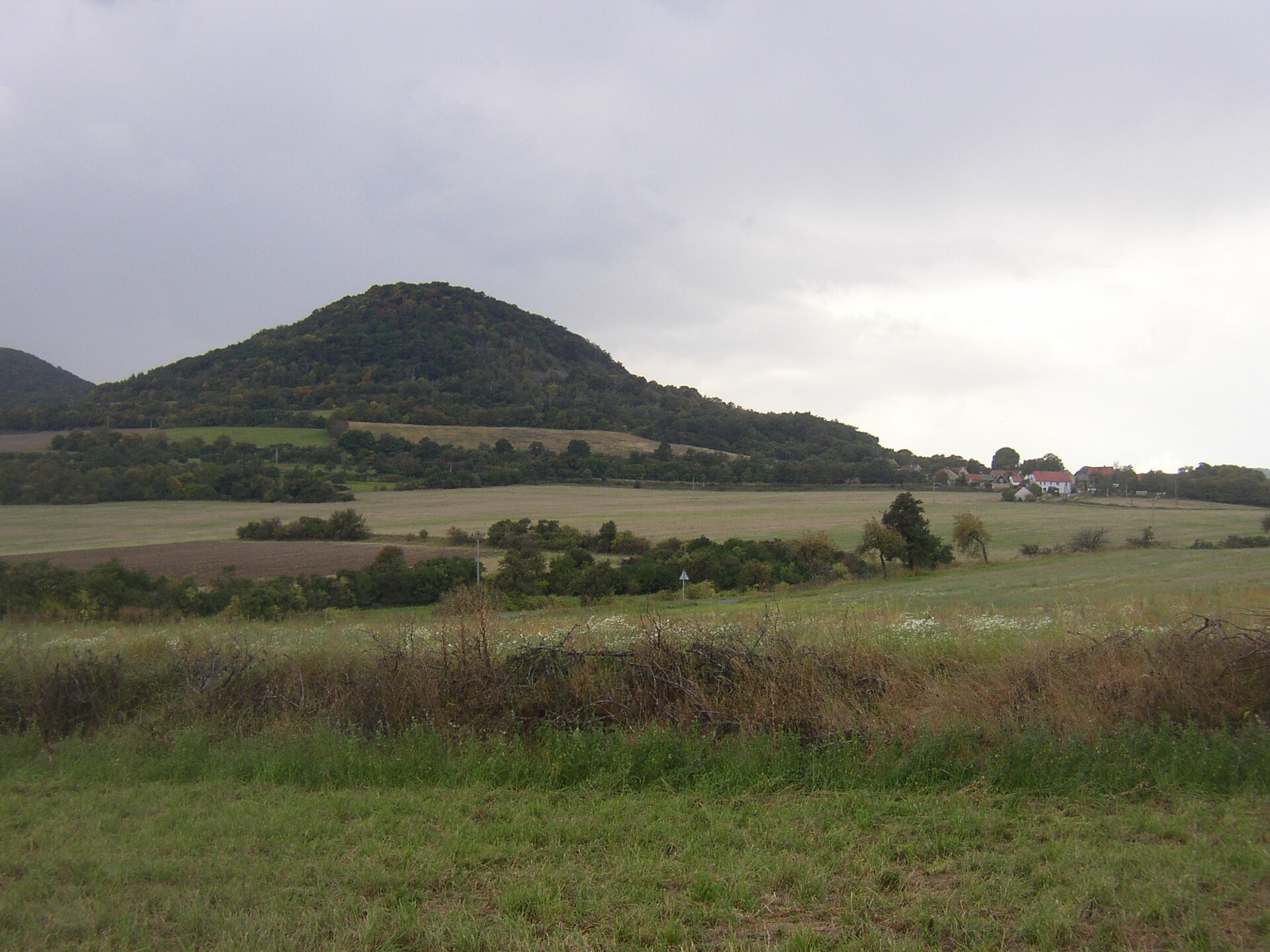
About this place
Boreč is one of the strangest hills in the Central Bohemian Uplands, rising above the village of Bílinka near the border of the Litoměřice and Louny districts. This 446-metre basalt cone owes its fame to a phenomenon rarely seen anywhere else in Central Europe: in winter, steam rises from its summit, as if the mountain itself were smoking.
What makes Boreč so unusual?
The hill is riddled with cracks and fissures. In summer, cold air flows into the rubble at its base, warms up against heated rock deep inside, and in winter escapes back out through vents known as ventaroles. The result is striking — on frosty days, visible steam rises from the fissures, and temperatures near the openings can run as much as 20 degrees higher than the surrounding air. That contrast earned the peak its nickname, the "Smoking Mountain."
The effect was first recorded in 1833, when it was mistaken for leftover volcanic activity. The real explanation — a chimney-like mechanism in which cold air is drawn into the scree at the base and pushed upward through warmed fissures — was only established in 1881 by Prague university professor Jan Krejčí. Thanks to this steady heat, the summit supports a microclimate where rare mosses and flowering plants grow that have no business surviving so far north, and patches of the hilltop stay green through winter while the surrounding countryside lies under snow.
Because of this unique ecosystem, Boreč was declared a national nature reserve back in 1951.
How do you get there?
The classic starting point is the village of Režný Újezd, where a nature trail set up in 1981 leads hikers past nine stops and two viewpoints explaining the ventarole phenomenon. From Bílinka, on the opposite side of the massif, a yellow-marked trail heads out toward the nearby peak of Lovoš, one of the most recognisable summits of the Central Bohemian Uplands. The area works well for a day hike linking both viewpoints.
What will you see on site?
Beyond the steaming fissures themselves, best seen in winter and early spring, it's worth looking closely at the summit vegetation — mosses and plants typically found in warmer regions, thriving here thanks to the year-round heat leaking from below. From the upper slopes, the view opens onto the rolling, volcanic landscape of the Central Bohemian Uplands, dotted with old volcanic cones, among which the pointed silhouette of Lovoš stands out.
When should you visit?
The best time to catch the ventaroles in action is on cold, still winter days, when the temperature contrast is sharpest and the rising steam shows up clearly against snow. In summer the phenomenon is barely visible to the naked eye, but the hill remains a rewarding walk thanks to its views and unusual flora.
Frequently asked questions
Why is Boreč called the Smoking Mountain? Because of the water vapour that escapes in winter from vents (ventaroles) in the hill's fissures — from a distance it looks as if the mountain is smoking.
Is the ventarole phenomenon dangerous? No. It's a natural effect of air circulation inside the rock, unrelated to any current volcanic activity, even though the hill itself is of volcanic origin.
Where's the best place to start a hike? The classic route starts in the village of Režný Újezd, which has a nature trail with nine stops; a yellow trail from Bílinka connects the area to the nearby peak of Lovoš.
Can you visit Boreč and Lovoš in one day? Yes — the two hills sit close together and are linked by marked trails, making it easy to combine them into one longer hike through the Central Bohemian Uplands.
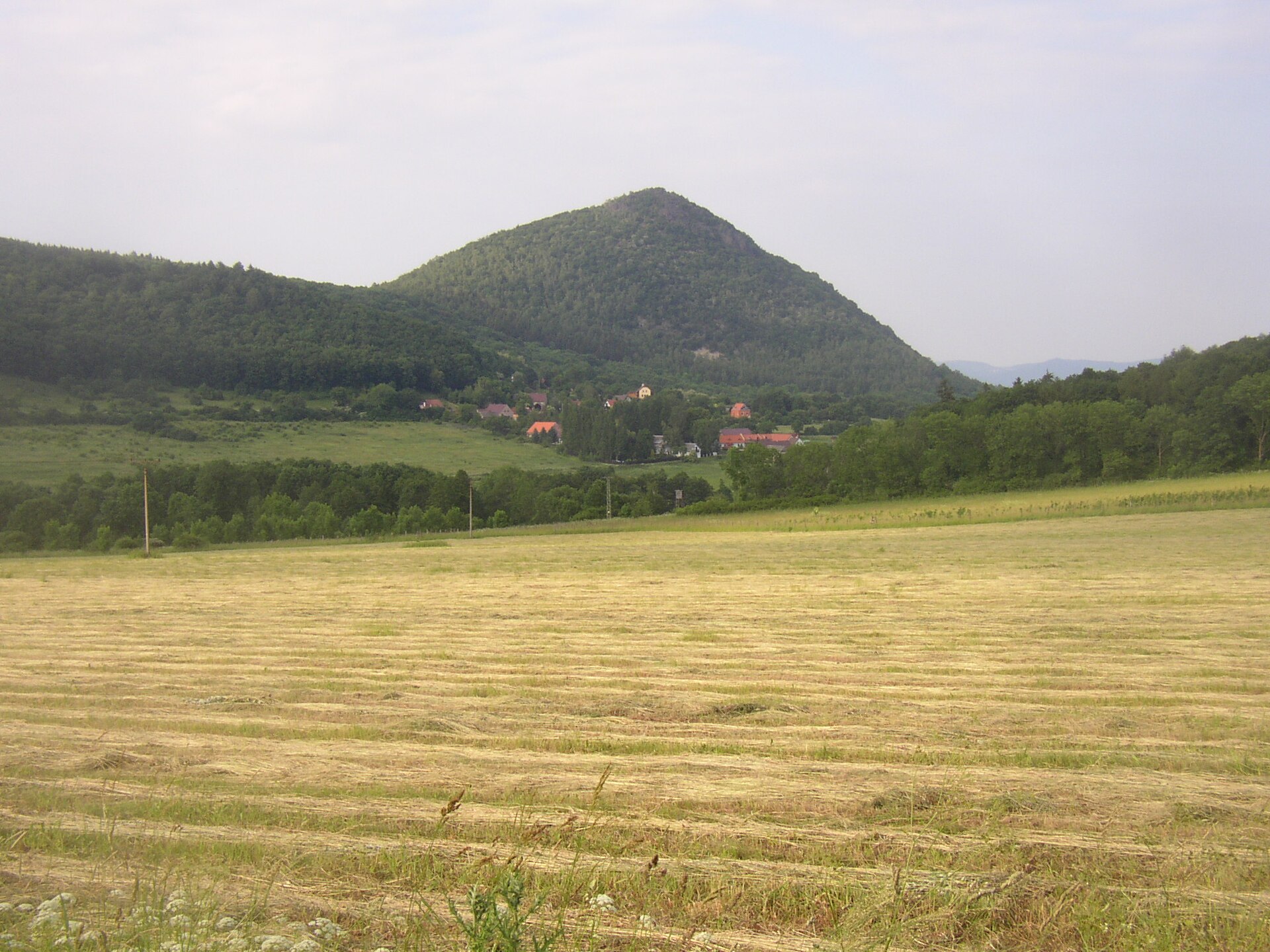
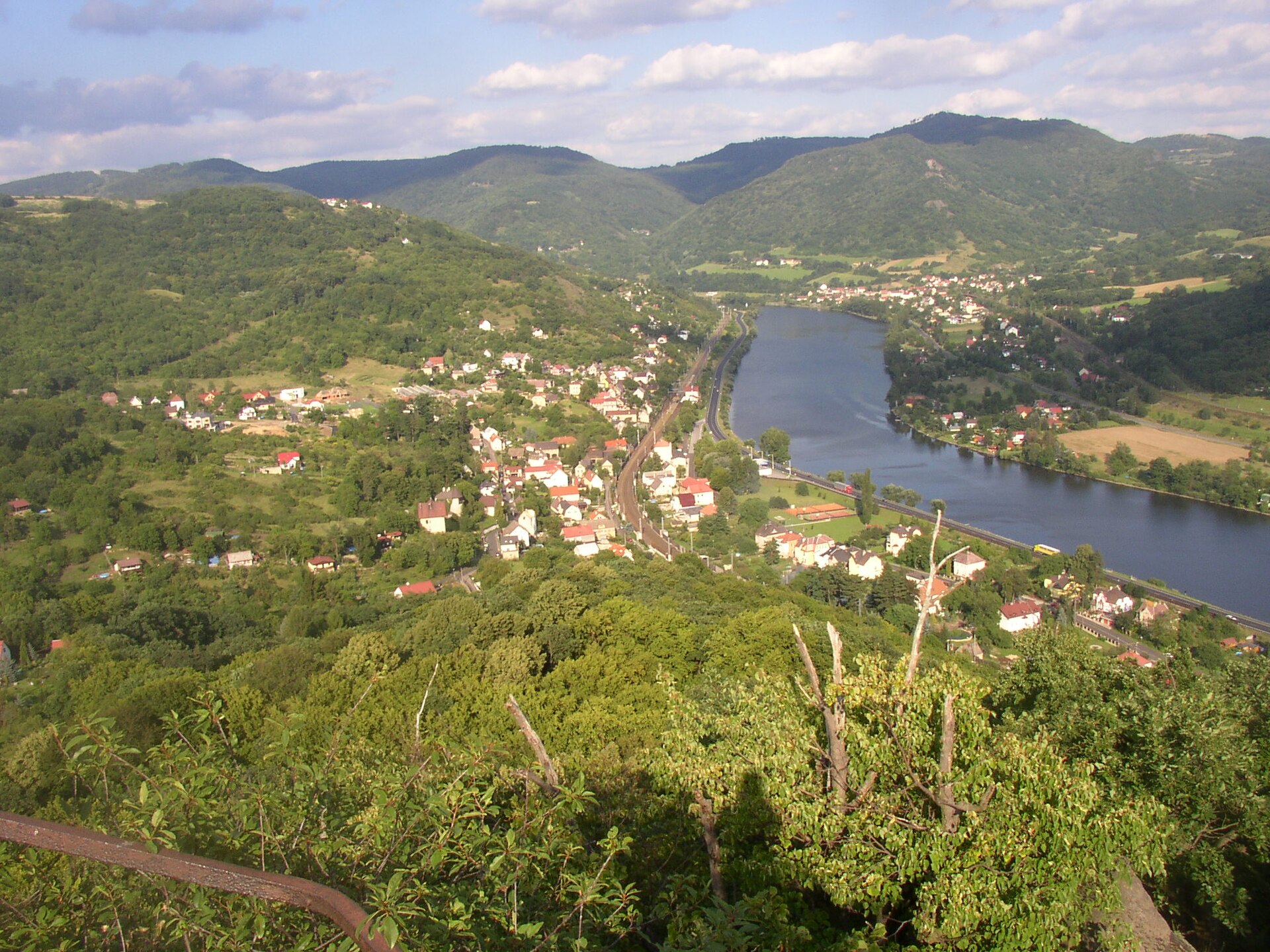
Nearby places

Earn badges for the places you visit
Download NextOnTrip, discover new places and check off your trails.