About this place
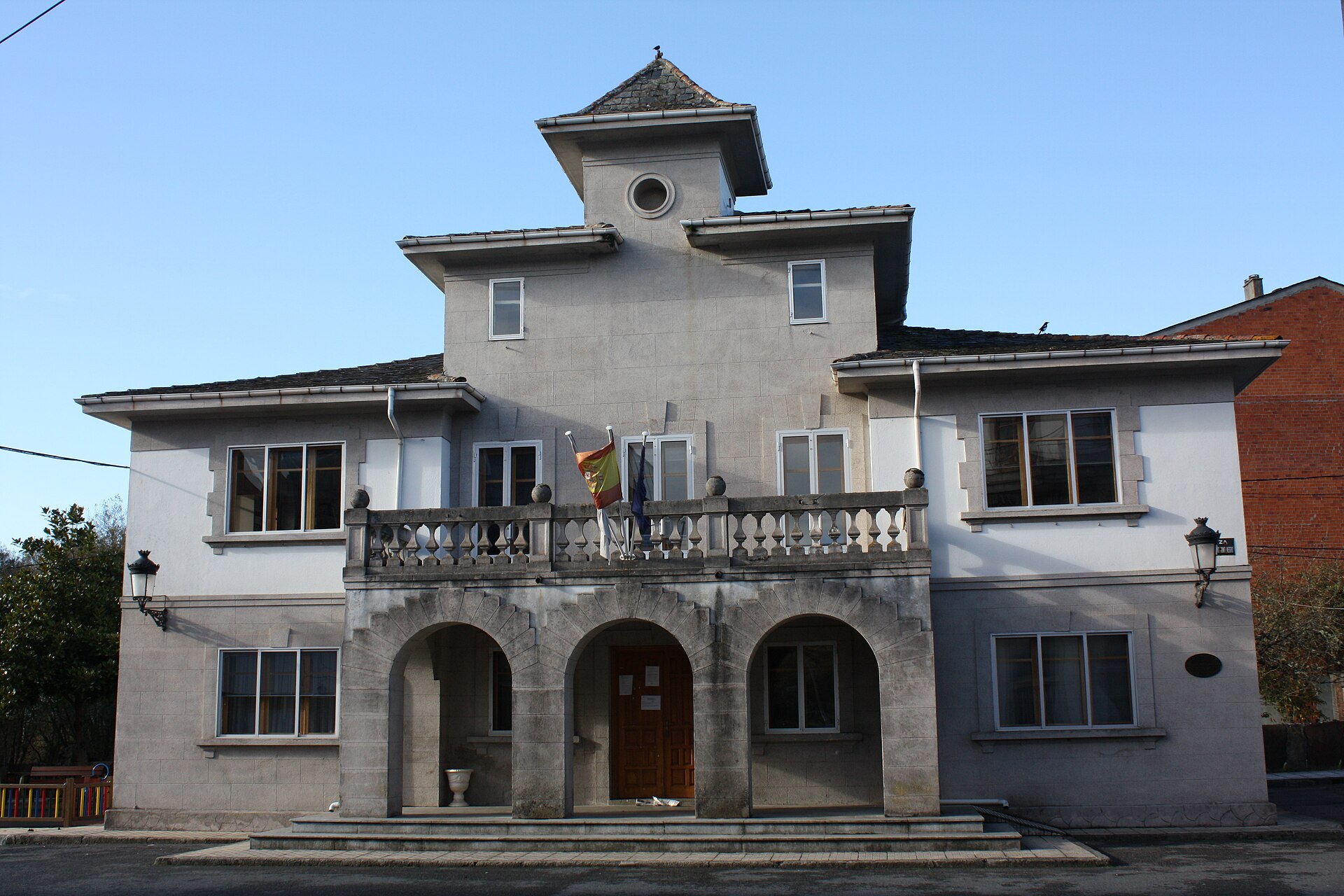
Begonte town hall is the seat of local government for the municipality of Begonte, a small community in the western part of Lugo province, in Galicia's Tierra Llana region. The building sits on Plaza Hermanos Souto Montenegro 1 and serves as the administrative hub for a municipality of nearly three thousand residents. For travelers exploring inland Galicia, it works as a useful landmark and a practical starting point for visiting the village itself and the surrounding countryside.
Where is the Begonte town hall located?
The building stands in the center of the village of Begonte, on the flat land typical of the Tierra Llana region — a name that literally means "flat land." The municipality covers just over 125 km² and borders several neighboring municipalities in this part of Lugo. The town hall itself isn't a historic monument, but it functions as a practical reference point: it's where visitors can pick up local information, check on events, or ask about road conditions to nearby attractions.
What history lies behind the municipality it represents?
The municipality of Begonte, in its current administrative form, was established in 1842, with Ramón Losada y Montenegro serving as its first mayor. The area itself has a much older story, though — archaeological findings point to human presence here dating back to roughly 3,500 years before our era, and Roman peoples passed through this land in later centuries. According to researcher Vidán Torreira, the name Begonte may trace back to Roman legionaries from the Vocontii tribe, who settled here after serving in the Rhône valley. That layered history — from prehistory through the Roman period to a 19th-century administrative reform — is part of why such a small municipality has a longer story to tell than its size might suggest.
What should visitors know before stopping by?
Begonte is a rural municipality, so tourist infrastructure is modest — which is exactly the appeal for travelers looking for a quieter, more authentic slice of Galicia. The area works well as a base for exploring Tierra Llana, a flat, agricultural landscape that contrasts with the mountainous parts of Lugo province elsewhere. Spring and autumn tend to be the most pleasant times to visit, when the weather is mild and the fields around the village look their best. The municipal office can be reached by phone, which is worth knowing if you're planning a longer stay in the area.
Frequently asked questions
What is the Begonte town hall? It's the administrative building of the municipality of Begonte, housing the local government offices, located in the center of the village.
Where does the name Begonte come from? One theory links it to Roman legionaries from the Vocontii tribe, who are believed to have settled here after military service in the Rhône valley in France.
When was the modern municipality of Begonte established? It was set up in its current administrative form in 1842, with Ramón Losada y Montenegro as its first mayor.
How many people live in the Begonte municipality? The municipality has around 2,900 residents spread across more than 125 km².
Are there older historical traces in Begonte? Yes — archaeological evidence suggests human presence in the area as far back as roughly 3,500 years before our era, followed later by the passage of Roman peoples through the region.
Is Begonte worth a stop on a trip through Galicia? It makes a good short stop for travelers exploring rural Galicia and the Tierra Llana region, particularly as a base for further trips around Lugo province.
Nearby places

Earn badges for the places you visit
Download NextOnTrip, discover new places and check off your trails.