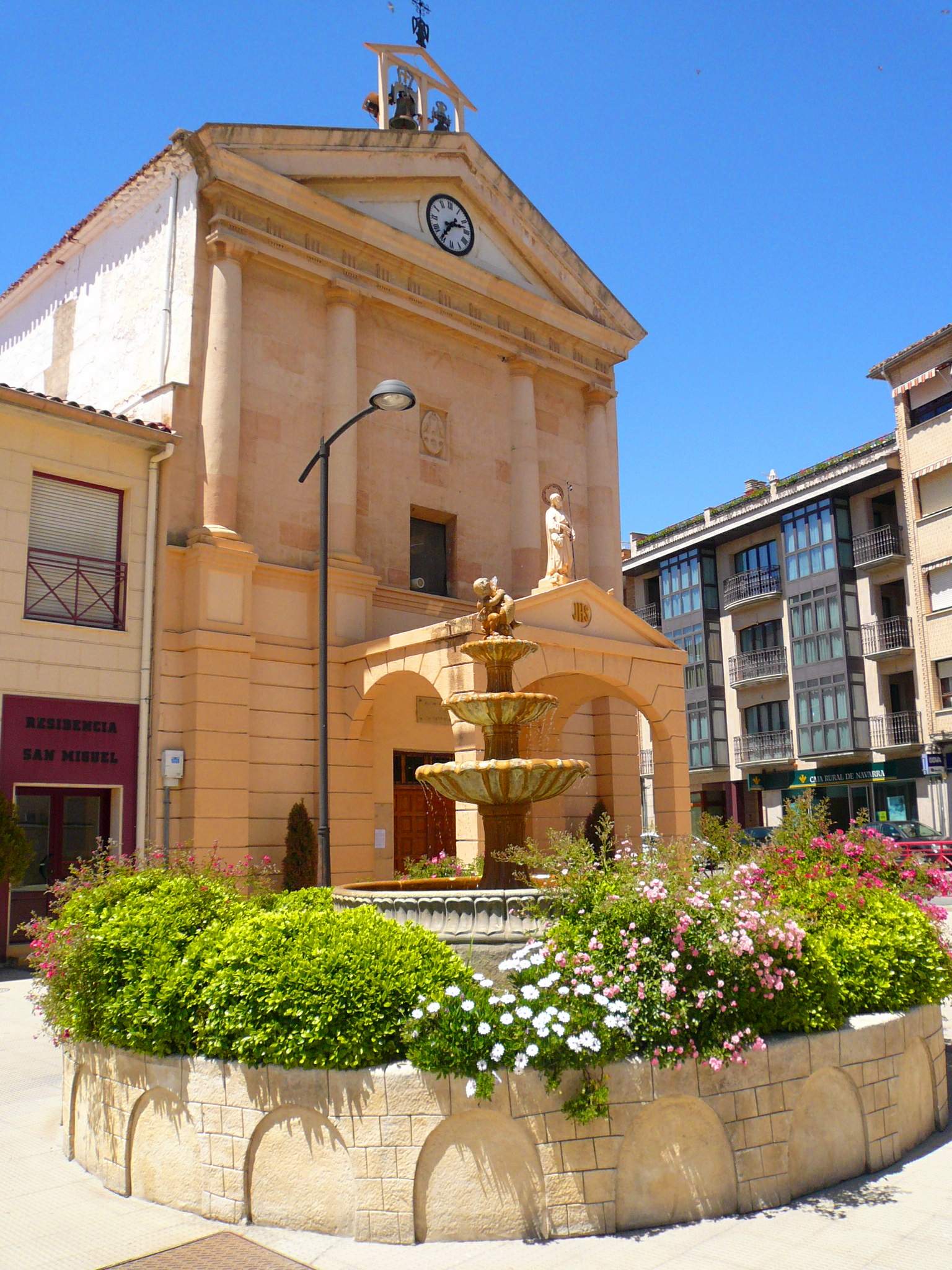
About this place
Basílica de San Miguel is a 17th-century church in Peralta (Navarre) that grew out of a former Capuchin convent and remains one of the town's most significant historic landmarks.
What is the history behind the basilica?
The date 1629, carved into the coat of arms on the main façade, marks the building's construction. The church originally belonged to a Capuchin convent established in Peralta. Over time it was raised to the rank of basilica and became the town's principal center of Marian devotion, linked to the image of the Virgen del Pero, patroness of Peralta.
What does the interior look like?
The basilica follows a Latin-cross plan with a wide, three-bay nave, a transept, and a straight-ended chancel. Barrel vaults with lunettes cover most of the space, except for the central bay of the transept, which is topped by an elliptical half-vault with radial ribbing and elaborate plasterwork — the single most decorative feature inside the church.
At the west end, above the entrance, a raised choir sits on a lowered arch. It is enclosed by an ornate Baroque wrought-iron railing centered on a radiant sun motif bearing the letters AVM (Ave Virgo Maria), a clear nod to the church's Marian dedication.
What artworks can visitors see?
The spiritual centerpiece of the church is the altarpiece of the Virgen del Pero, dating from the early 18th century and attributed to workshops from Tudela. On the Epistle side stands the altarpiece of Santa Lucía, forming a set with the side altarpiece dedicated to San Miguel, the church's patron. Also notable is a larger-than-life crucifix dating from the 17th century, one of the oldest pieces preserved inside.
How do you get to the basilica?
Peralta sits in the Ribera Navarra region, in the Ebro river valley, close to towns such as Falces and Marcilla. The Basílica de San Miguel stands in the historic center of Peralta, within easy walking distance of anywhere in the old town. It works well as a starting point for exploring the town, since routes to other historic sites in Peralta branch out from around the basilica.
When is the best time to visit?
The interior is best appreciated during quieter daytime hours, when light filtering through the nave windows highlights the plasterwork in the transept. Try to visit outside Mass times so you can look closely at the altarpieces and architectural details without interruption. Summers in the Ribera Navarra region run hot, so spring and autumn are the most comfortable seasons for exploring both the town and the basilica.
Frequently Asked Questions
What was the basilica before it earned that title? It began as the church of a Capuchin convent in Peralta, built in 1629, and was only later elevated to the status of basilica.
What architectural style does the church represent? It is a Baroque building on a Latin-cross plan, notable for its barrel vaults and the elliptical, plasterwork-decorated vault over the transept.
What are the most important artworks inside? The early 18th-century altarpiece of the Virgen del Pero, linked to Tudela workshops, along with the altarpiece of Santa Lucía and a 17th-century crucifix.
Is the basilica located in central Peralta? Yes, it stands in the historic center of the town and serves as a natural reference point for visiting Peralta's other landmarks.
Nearby places
-

Collegiate of San Miguel Arcángel, Alfaro
Alfaro
-
Convent of Saint Francis of Assisi
Olite / Erriberri
-
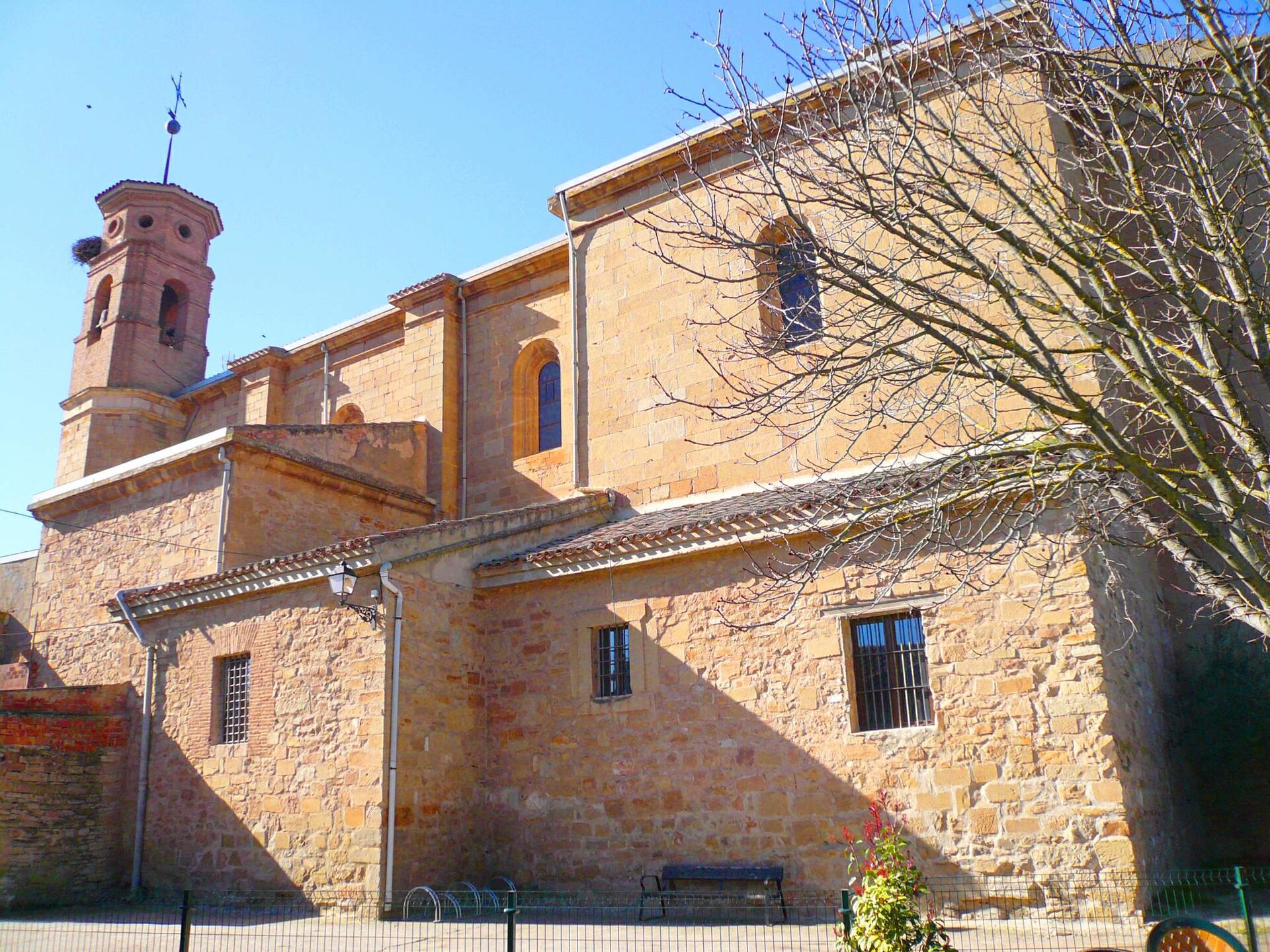
Church of Santa María de la Asunción, Alcanadre
Alcanadre
-
Ermita de San Marcos, antigua Ermita de Nuestra Señora de Mismanos
Tudela
-
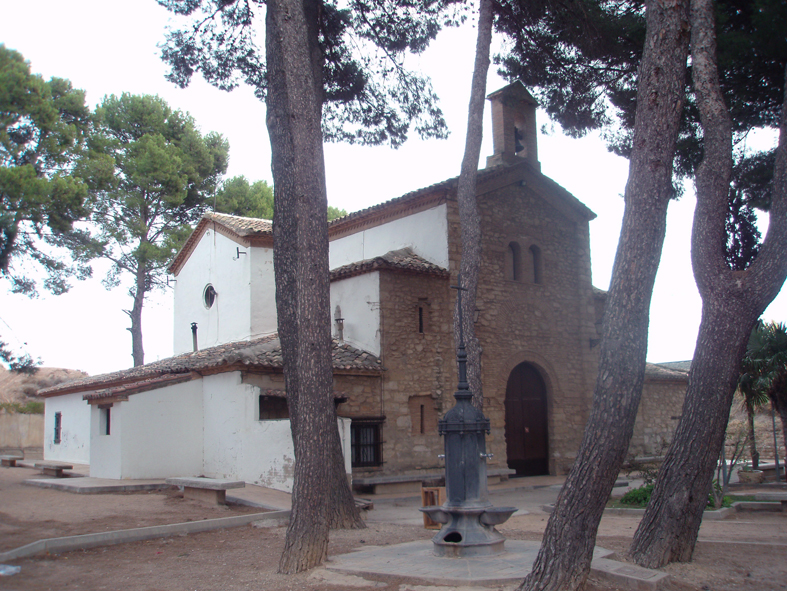
Ermita de Santa Cruz - El Cristo
Tudela
-
Ruinas de la ermita de San Miguel de Afuera
Tudela
Earn badges for the places you visit
Download NextOnTrip, discover new places and check off your trails.