About this place
The Ancien phare de Honfleur (the old lighthouse, also known as the Phare de l'Hôpital) is one of the most recognisable landmarks on the hill above the harbour in Honfleur, Normandy, right where the Seine meets the English Channel.
Where does the old lighthouse stand?
The building sits on a hillside next to the former hospital chapel (Chapelle de l'Hôpital), overlooking both the Seine estuary and the port of Honfleur below. The spot has guided sailors into the harbour for centuries — first with a simple reflector set up by the naval hydrographer known as de Gaulle (1732–1810), then with a wooden signal tower, and finally, from the mid-19th century, with a proper stone lighthouse.
What is the history behind this lighthouse?
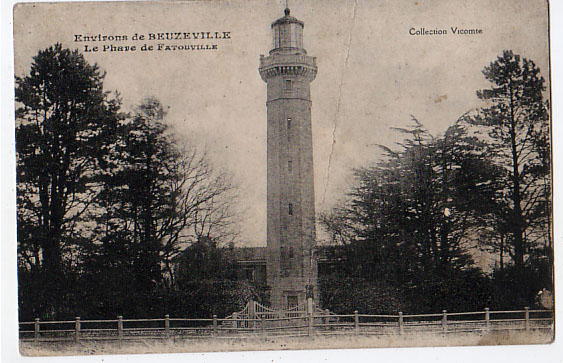
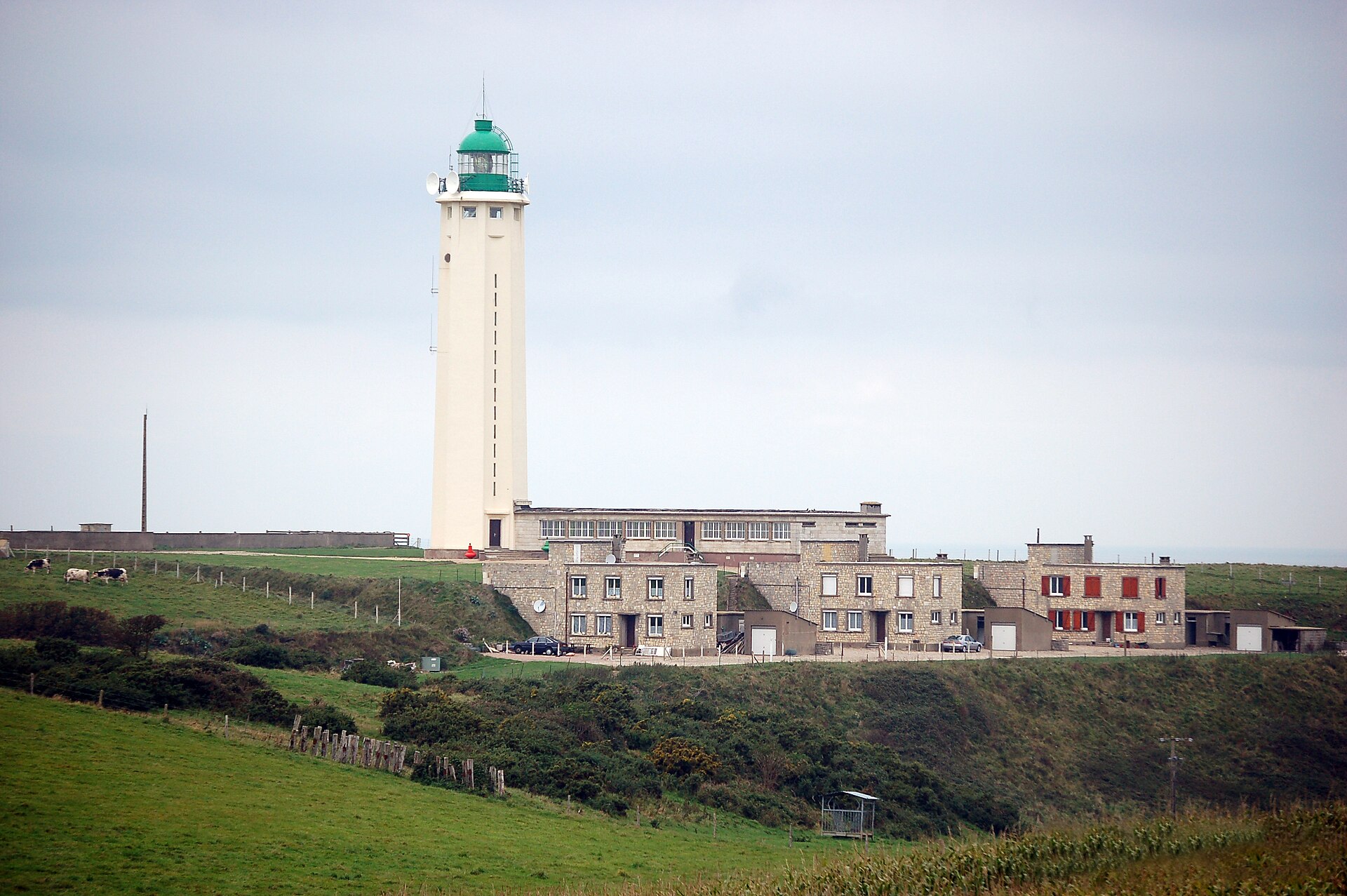
The current building went up in 1853, replacing the earlier wooden tower, and was designed to work alongside the lighthouse at Fatouville on the opposite bank of the estuary. Its light was switched on for the first time in 1857, and for more than fifty years the tower — locally known as the Phare de l'Hôpital — helped guide vessels along the coast. It was permanently extinguished in 1908, when its lantern and dome were dismantled and moved to the newly built Phare du Butin, which took over its navigational role and still operates as Honfleur's active lighthouse today.
Stripped of its original function, the building was put up for sale in 1911 and bought by Léo Leforestier, a local merchant. In 1949 it passed into the hands of the Académie Julian, a Paris art school, which turned it into a studio and open-air workspace for painters and sculptors. The building only returned to public ownership in 2005, when the city of Honfleur bought it back. One striking trace of a darker chapter survives from the Second World War: during the German occupation, the lighthouse was painted black, and the entrance doors seen today were made by the German troops stationed in the town at the time.
How do you get to the old lighthouse?
A marked walking trail, the Sentier de l'Ancien Phare, leads up to the building and is promoted by the local tourist office as a route combining a scenic walk with a visit to the landmark. The best starting points are near the old harbour (Vieux Bassin) or the Notre-Dame-de-Grâce chapel, from where the path climbs steeply through greenery, offering views over Honfleur's rooftops and the estuary shoreline along the way. Given the slope, comfortable walking shoes are a good idea — this is a proper hillside walk rather than a flat stroll through town.
What will you see there, and when is the best time to visit?
The old lighthouse itself — its silhouette still distinctive even without the original lantern dome — remains a fine example of 19th-century maritime architecture and a physical record of how coastal navigation once worked at the mouth of the Seine. The viewpoint next to the building is one of the best in Honfleur for looking down over the harbour, the colourful houses of the Vieux Bassin, and the ships moving in and out of the Channel.
Spring and early autumn tend to be the most rewarding seasons for the climb, when Normandy's weather makes for comfortable walking and the views aren't blurred by the Channel mist that is more common in winter. Late afternoon, close to sunset, is also worth timing your visit for — the light over the Seine estuary and the harbour is especially striking at that hour.
Frequently asked questions
Is the old Honfleur lighthouse still in operation? No — it stopped functioning in 1908, when its role was taken over by the new Phare du Butin, to which the original lantern dome was transferred.
Can visitors go inside the building? The building belongs to the city of Honfleur and has previously served as an artists' studio; interior access can be limited, so it's worth checking current opening details with the local tourist office before visiting.
How long is the walk up the Sentier de l'Ancien Phare? It's a short but steep climb starting near the old harbour; depending on your pace, it usually takes somewhere between ten and thirty minutes one way.
Why was the lighthouse painted black? This happened during the Second World War, under German occupation — the same period during which the building's current entrance doors were made by the occupying troops.
Nearby places

Earn badges for the places you visit
Download NextOnTrip, discover new places and check off your trails.