Recreation and entertainment in Croatia
A guide to 29 Recreation and entertainment in Croatia — with descriptions, photos and traveler visits from the NextOnTrip community. Locations spread across 16 cities and towns. Most visited by the community: Bizik family Zoo, Zagreb Zoo, Osijek Zoo and Aquarium.
-
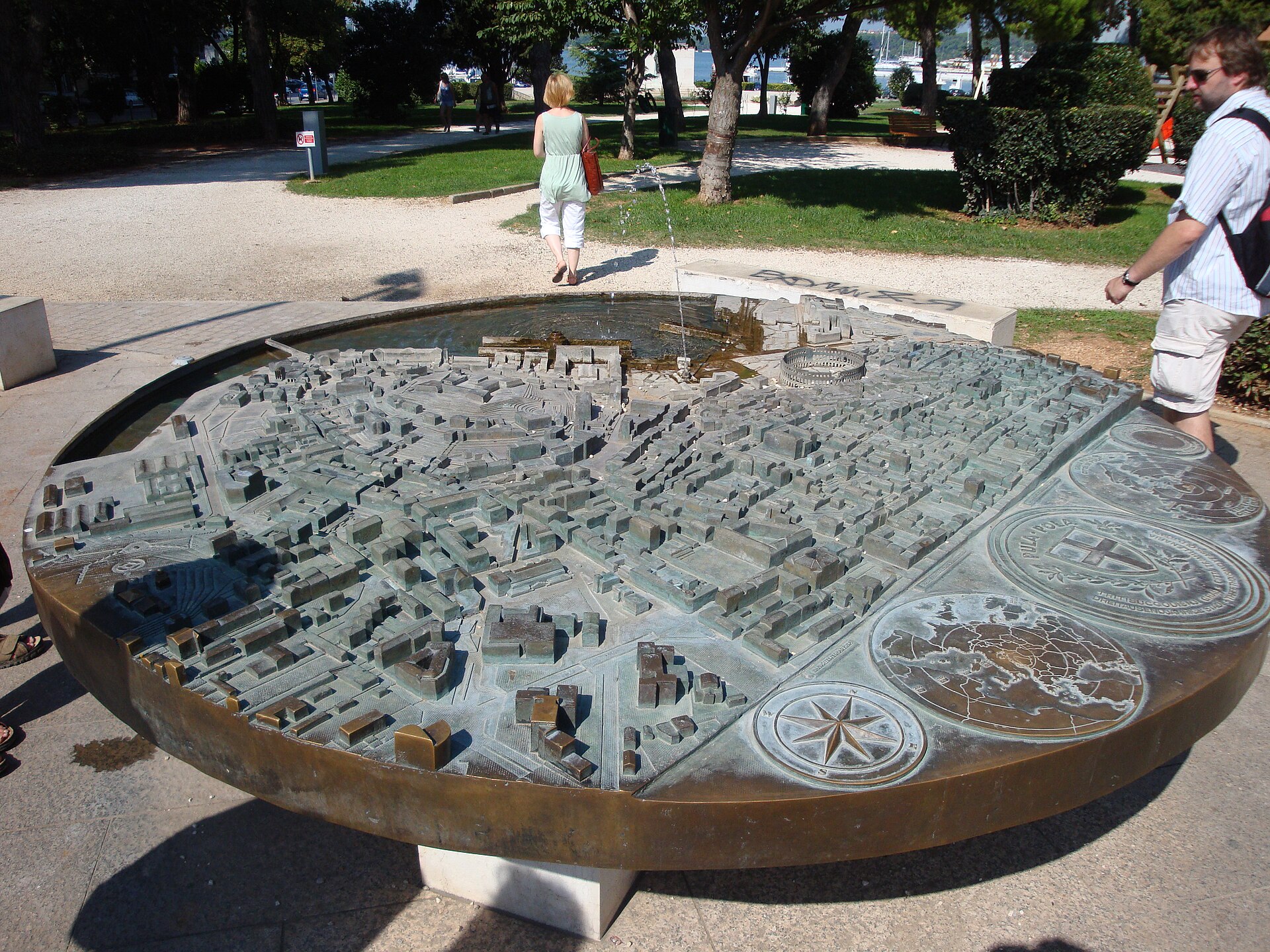
Titov park
Pula
Titov Park is a city park in the very centre of Pula, Croatia, stretching along the Riva waterfront promenade right next to the Roman Arena and the ACI Marina Pula. It's a favourite spot for both locals and visitors looking for shade and a quiet break between sightseeing stops. Where does the park's name come from? The park is named after Josip Broz Tito, the former president of Yugoslavia. Construction began in the late 1940s and was completed in 1953. Since then, the park has become a permanent fixture of the city centre and a natural landmark for anyone walking between the harbour and Pula's old town. What can you see inside the park? Walking along its paths, visitors come across several historical features. Near the seafront entrance stands a monument to fallen fighters, created by sculptor Vanja Radauš in 1957 to honour victims of the Second World War. Deeper into the park are busts of national heroes and anti-fascist fighters, unveiled after a renovation on 22 June 2013. At the north-eastern end of the park sits the Nimfej (nymphaeum), while the south-western end houses the former printing house building, now home to the city library. The park also borders the small Petar Krešimir IV Park at its south-eastern corner. Is the park suitable for a visit with children? Yes, it's one of the most popular family spots in central Pula. The park has a playground fitted with swings, slides, and other equipment for younger visitors. Century-old trees provide welcome shade even on hot summer days, and plenty of benches let visitors sit down and relax in a calm, green setting. Dogs are also allowed in the park, though owners are expected to clean up after their pets and remain considerate of other visitors. What events take place in Titov Park? The park regularly hosts open-air events and city festivals. Among them is an annual food-and-wine gathering that draws crowds of locals and visitors alike. Thanks to its central location and open green space, the park is well suited to this kind of outdoor programming throughout the year. How do you get to the park? Titov Park sits in the very heart of Pula, within walking distance of the Arena and the harbour. Anyone touring the amphitheatre or strolling along the Riva waterfront will naturally pass by the park, making it easy to fold into a city walking route without needing public transport. Frequently asked questions Are there public restrooms in Titov Park? No, the park has no public restrooms, so it's worth planning ahead and using nearby cafés or facilities in the city centre. Is entry to the park free? Yes, Titov Park is a free, open public space accessible at all times. Can I bring my dog into the park? Yes, the park is dog-friendly, but owners should clean up after their pets and be mindful of other visitors. What else is worth seeing nearby? The Roman Arena, the ACI Marina Pula, and the historic old town are all just steps away, making it easy to combine a walk through the park with the city's main sights.
-
Sustipan
Split
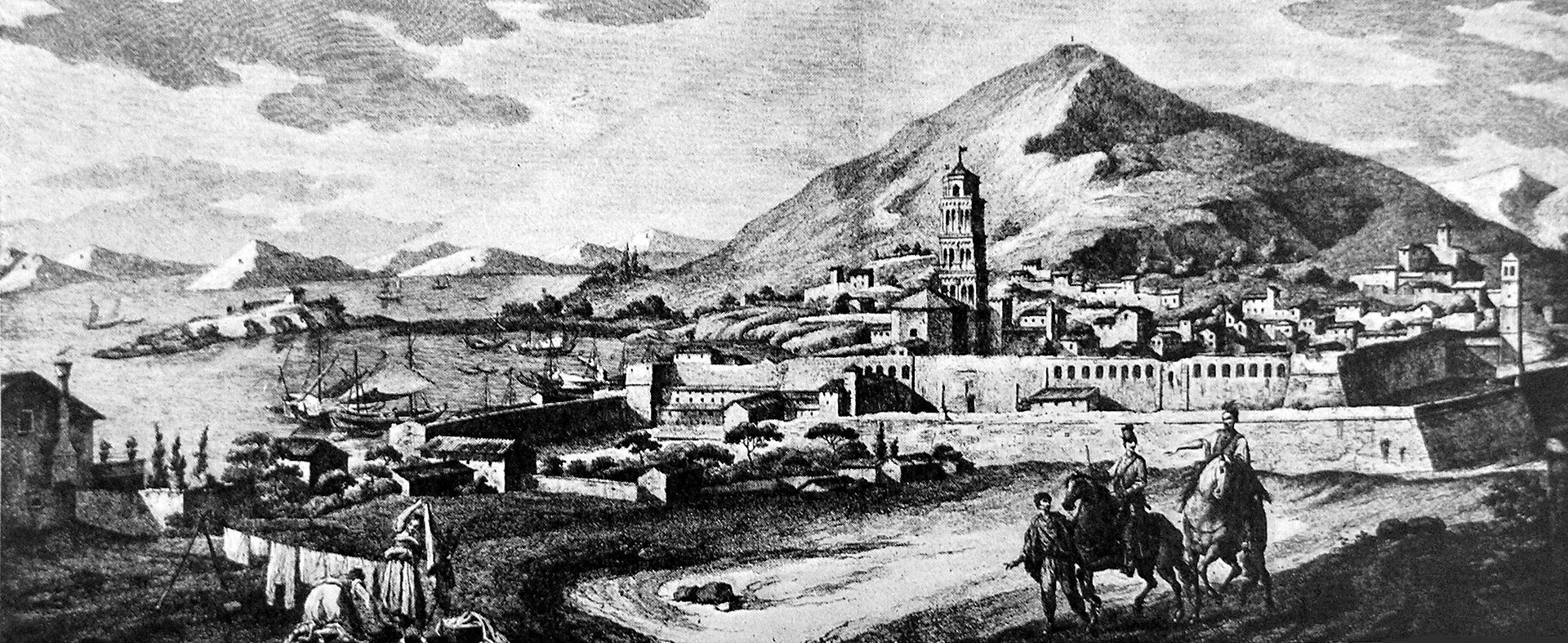
Sustipan is a small, green peninsula in the southwestern part of Split, Croatia, jutting into the sea right next to the Matejuška harbor. It's one of those spots in the city that visitors often walk past without noticing — which is a shame, since the shade of the pine trees, the quiet, and the views over Marjan hill and the old town make it a great stop away from the crowded riva. How do you get to Sustipan? The peninsula is an easy walk from central Split. Head west along the waterfront, pass the Matejuška fishing harbor, and climb the small, tree-covered rise ahead. On foot from Peristyle it takes roughly 15–20 minutes. There's no dedicated parking on the peninsula itself, so the simplest option is to leave a car near Marjan or in the city center and walk — which is also the most pleasant way to arrive anyway. What is the history behind Sustipan? The story of this small patch of land goes back to the Middle Ages, when a Benedictine monastery and church stood here — a common setup along the Dalmatian coast at the time, serving as a place of prayer and monastic life. Over the centuries the site's purpose shifted, and by the 19th century it had been turned into a cemetery. What emerged was considered one of the most beautiful cemeteries in all of Croatia, with tree-lined paths, stone gravestones, and sweeping sea views that gave the place a distinctly contemplative atmosphere. The cemetery's story didn't end peacefully, though. At some point in the 20th century, under the communist authorities, the entire cemetery was removed. Curiously, the exact reason behind that decision was never officially established — the lack of a clear explanation still fuels local speculation today. What remains now are only scattered traces of the old burial ground; the rest of the peninsula has grown back into green, open parkland. What's worth seeing on Sustipan? Today Sustipan's biggest draw is simply its calm and greenery — the pine grove offers shade even on hot days, and paths lead to viewpoints over the bay and Marjan hill. It's a popular spot for an evening stroll or a break away from the bustle of the center. Keep an eye out for remnants of the old structures — bits of wall or fragments tied to the monastery and cemetery days — as reminders of the site's earlier life. The view from here, taking in the harbor, the old town, and the sea, is one of the nicer ones in Split, and considerably less crowded than the lookout points up on Marjan. When is the best time to visit Sustipan? Thanks to the tree cover, the peninsula works particularly well in summer, when the rest of the city bakes in the sun. In the evening, around sunset, the views over the sea and town take on a special glow. Outside the high season, it's a quiet spot for an unhurried walk without the crowds. Frequently asked questions Is Sustipan easy to find and well signposted? Yes — just follow the waterfront toward the Matejuška harbor and continue up the wooded rise beyond it. The route is straightforward and doesn't require navigation. Are there any visible traces of the old cemetery left on Sustipan? After the cemetery was removed in the 20th century, only a few scattered traces remain — most of the area is now covered in greenery. Is there an entrance fee for Sustipan? No, it's an open public green space, free to visit year-round. Are there any cafes or restaurants on the peninsula? Not directly on the peninsula itself — the nearest options are around the Matejuška harbor and in central Split, a short walk away.
-

Mala Petka
Dubrownik
Mala Petka is a small, forested hill in Dubrovnik, rising above the Lapad peninsula in Dubrovnik-Neretva County. Together with its taller neighbor, Velika Petka, it forms a forest park covering roughly 43 hectares — a favorite escape for locals and visitors looking to step away from the crowds of the Old Town for an hour or two. How do you get to Mala Petka? The hill is within easy walking distance of Lapad, one of Dubrovnik's main tourist neighborhoods and home to most of the area's hotels and guesthouses. Several marked forest trails lead from central Lapad up to the summit, and the climb typically takes 30 to 60 minutes depending on your pace and chosen route. Unlike neighboring Velika Petka, which has a paved path all the way to the top, the trail up Mala Petka is gravel and noticeably rougher underfoot, so sturdy walking shoes are a good idea. The route covers about 2 kilometers with roughly 120 meters of elevation gain, making it a moderate but manageable hike. What will you see at the top? The reward at the summit is a sweeping view over the Adriatic Sea and the Elaphiti Islands, scattered off the coast west of Dubrovnik. Given its modest height, Mala Petka delivers one of the best vantage points in the area without demanding the effort of a full mountain hike. Along the way and at the top, look out for rocky ledges and small clearings that make natural spots to pause, catch your breath, and take a few photos. The Velika and Mala Petka forest park also has real ecological value. It was established primarily to protect the Aleppo pines that cover the slopes, a species listed in the International Union for Conservation of Nature's Red Book of Endangered Species. Alongside the pines, the park's understory includes holm oaks, wild olive trees, and the low Mediterranean scrub typical of Dalmatia, known locally as maquis. The tree cover keeps the trail pleasantly shaded even on hot days. When is the best time to visit? Clear skies make the biggest difference to the view, so aim for a fine day, ideally in the morning or shortly before sunset, when the light is softer and the heat less intense. In the middle of summer days, the exposed gravel sections can get warm, so bring water even though most of the route runs under tree cover. Spring and early autumn are especially comfortable for a longer walk that takes in both hills of the forest park. Who is this hike suited for? Mala Petka is a good match for travelers who want a short but rewarding walk close to Dubrovnik's tourist center, with no need to rent a car or head outside the city. It works well as an active start to the day before exploring the Old Town, or as an early-evening walk timed to catch the sunset over the Adriatic. Frequently asked questions How long does it take to climb Mala Petka? The climb usually takes 30 to 60 minutes depending on fitness and pace, which is enough time to reach one of the best viewpoints near Dubrovnik. Is the trail difficult? It's considered a moderate route. The path is gravel and uneven in places, so solid footwear is recommended, but no mountaineering experience is needed. What's the difference between Mala Petka and Velika Petka? Velika Petka is taller and has a paved path to its summit, while Mala Petka has a more natural, rocky surface. The two hills share the same forest park and are often visited together in a single outing. What should you bring for the hike? Comfortable shoes, water, and sun protection in summer. A camera is worth packing too — the view over the Elaphiti Islands and the Adriatic from the top is the main reason to make the climb.
-
Kitožer
Split
Kitožer is a small hill and green recreational area in the Sirobuja district, on the eastern side of Split, Croatia. Where is Kitožer located? The hill rises to roughly 70 metres above sea level and serves as a natural landmark of the Sirobuja neighbourhood, also known locally as Barutana. This is one of Split's newer, still-developing residential districts, stretching from the Lovrinac cemetery toward the Šine area. A few thousand people currently live here, and the surroundings are distinctly residential, well away from the historic centre and the seafront promenade. A street carrying the same name, Kitožer, runs right beside the hill. What can you see at Kitožer? The city planned the hill as a so-called green oasis — a pedestrian and recreational zone designed mainly for children and elderly residents. Expect walking paths, greenery, and resting spots that give the local community a quiet break from city life. This isn't a major tourist attraction; its appeal lies in the everyday, neighbourly side of Split it reveals, far from the crowds of the old town. How do you get to Kitožer? Driving is the easiest option: head east from central Split toward the Sirobuja and Barutana districts. The area is purely residential, so it helps to navigate using the street name Kitožer or the district name Sirobuja. Travellers without a car can take local bus lines that serve the city's eastern neighbourhoods and walk the short remaining stretch, since the area itself is compact. When should you visit? Given the greenery and walking paths, the most pleasant time to visit is during the warmer months, in the morning or late afternoon when the sun is less intense. Split summers can get very hot around midday, so a shaded walk is best planned outside peak heat hours. In the evening, the spot mostly draws local residents out for a relaxed stroll. Who is Kitožer for? Kitožer suits travellers who want to see Split beyond the usual sightseeing route — no crowds, no monuments, no souvenir shops. It's a good option for families with children looking for a calm place to play, for anyone who enjoys walking through local neighbourhoods, and for visitors staying in this part of the city who want a nearby patch of green space. Frequently Asked Questions Is Kitožer a popular tourist attraction? No, it's primarily a local, neighbourhood green space rather than a stop on Split's typical sightseeing route. How high is Kitožer hill? It rises to approximately 70 metres above sea level. Which Split district is Kitožer part of? It's part of the Sirobuja district, also known as Barutana, on the eastern side of the city. Is it worth visiting from central Split? It's worth it if you're after a quiet, residential side of the city, though it isn't an essential stop for visitors with limited time focused on the historic centre.
-
Little Prince Park
Zagrzeb
Little Prince Park (Park Malog Princa) is a small but distinctive themed park in Zagreb, tucked away on Vladimira Vidrića Street in the Peščenica-Žitnjak district, in an area locals know as Borongaj. It's a place born from community effort, and it still keeps that intimate, artistic feel today. How did the park come to be? The idea took shape in the 1980s, conceived by sculptor Nada Orel. Her inspiration was "The Little Prince," the classic tale by French writer Antoine de Saint-Exupéry. The stonework and sculpting took place between 1985 and 1987, culminating in a ceremonial opening marked by a performance of "The Little Prince" staged by the Children's Studio of the Zagreb Youth Theatre. What sets this park apart from other green spaces in Zagreb is how it was built. Local residents, and especially children, took an active role in shaping it: they contributed their own drawings, which fed directly into the sculptural motifs, and many took part in the actual stone-carving work. In that sense, the park is as much a community creation as it is a professional design project. What will you see there? At the heart of the park stands a bronze sculpture of the Little Prince and his rose, mounted on a white stone base and framed by slender, elegant birch trees. It's the park's signature spot and the one most visitors photograph. Surrounding the central figure are six stone blocks, each different in size, shape, and colour. They're arranged in a star-like pattern and are meant to represent different human characters, echoing the various personalities the Little Prince encounters on his journey through different planets in the story. It's a quiet but deliberate way of telling a story through sculpture and public space. The park itself is modest in size — more of a neighbourhood enclave than a large-scale attraction on the order of Maksimir or Bundek. Its appeal lies precisely in that intimate, artistic atmosphere and in the story of how it came to exist, something you won't find replicated in Zagreb's bigger, better-known parks. When to visit and how to get there? Borongaj is a quiet, residential part of Zagreb, set apart from the busy city centre. Spring and summer are the best times to visit, when the greenery around the sculptures and the birch trees are in full leaf, creating a strong contrast with the pale stone blocks. In recent years the park has undergone restoration work that brought back some of its original shine after a period of neglect. It's worth combining a visit with a walk around Borongaj itself — a district that is gradually developing and taking on new urban functions while still holding onto its local character. Frequently asked questions Where exactly is Little Prince Park located? The park sits on Vladimira Vidrića Street, in the Peščenica-Žitnjak district, in the area known as Borongaj. Who designed the park and when was it built? Sculptor Nada Orel conceived the design. Construction ran from 1985 to 1987, when the park was officially opened. What is the park's main feature? A bronze sculpture of the Little Prince with his rose on a white stone base, along with six stone blocks arranged in a star shape, each symbolising a different human character. Is the park suitable for children? Yes — it was designed with children in mind, and local kids actually helped create it through their drawings and hands-on stone-carving work.
-
Newlyweds Park
Zagrzeb
Newlyweds Park (Park Mladenaca) is one of Zagreb's most unusual green spaces, sitting in Novi Zagreb on the border between the Siget and Trnsko neighborhoods, south of the Sava river. It was the first major park built in this part of the city, and its story goes back to the 1960s, tied to a tradition rarely found anywhere else in Europe. Why is it called Newlyweds Park? The name comes from a genuine local custom. Between 1967 and 1978, newly married couples from Zagreb would plant a tree in the park to mark their wedding — each couple chose a sapling as a symbol of the new life they were starting together. Over that decade, roughly 8,000 trees were planted this way, turning an ordinary neighborhood park into a living record of thousands of marriages. That tradition is exactly what gave the park its name and its unusually dense, mature tree cover. What is there to see? Covering about 9 hectares, the park is a well-preserved example of postwar landscape design in Zagreb. Its centerpiece is a bronze sculpture called "Mladenci" (The Newlyweds), created by sculptor Stipe Sikirica and unveiled in 1974. It depicts a young man helping a young woman onto a horse, referencing an old Croatian wedding custom. The sculpture works as a natural landmark inside the park and is a popular spot for photos. What can you do there? Beyond walking under the mature tree canopy, the park has a few dedicated recreation areas: a children's playground, a fenced dog park, and an outdoor calisthenics course for anyone who prefers exercising in the open air. Wide, shaded paths make it equally suited to an early morning jog, a family picnic, or simply escaping the heat on a summer afternoon. How do you get there? Park Mladenaca sits in Novi Zagreb, right on the boundary between Siget and Trnsko, across the Sava river from the city's historic center. It's a residential area well connected to downtown Zagreb by tram and bus lines running into Novi Zagreb. For visitors touring the city, the park offers an interesting contrast to the historic Upper and Lower Town — a look at how green space was planned in Zagreb's socialist-era urban expansion. When is the best time to visit? Spring and summer are the best seasons, when the trees are in full leaf and the park is busiest with local residents using the paths, the outdoor gym, and the playground. In autumn, the changing leaf colors give the park a distinctive atmosphere, while winter turns it into a quiet, peaceful place for a walk. Frequently asked questions What is Newlyweds Park in Zagreb? It's a nine-hectare public park in Novi Zagreb, known for its tradition of newlywed couples planting trees and for the bronze "Mladenci" sculpture from 1974. Where does the name "Newlyweds Park" come from? Between 1967 and 1978, newly married couples planted trees here to mark their weddings, resulting in around 8,000 trees over the decade. What can visitors do in the park? Walk among the mature trees, use the children's playground, the dog park, or the outdoor calisthenics area. Where exactly is the park located? On the border of the Siget and Trnsko neighborhoods in Novi Zagreb, on the south side of the Sava river.
-
Art Park
Zagrzeb
Art Park is Croatia's first street art park, launched in Zagreb by the street art collective Pimp my Pump together with the design studio Lapo Lapo. A once-neglected patch of urban greenery was turned into an open-air gallery, with walls, steps and other surfaces covered in murals by local and international artists. Where is Art Park located? The project started on the slope between Strossmayerovo šetalište and Tomićeva street, right by the upper station of Zagreb's funicular and a popular viewpoint over the Upper Town. Over time the concept expanded, and a second edition now runs in Ribnjak Park, next to Zagreb's cathedral, where summer events take place on a regular basis. What will you see there? The main draw is the street art itself — murals, installations and graphics painted directly onto the park's walls and architectural features. Artists rework and add to the pieces every season, so the park never looks quite the same two years running. Beyond the art, Art Park offers shaded spots to sit, benches and quiet corners that make it an easy stop while exploring the Upper Town. What events take place here? The artistic programme runs from May to October. During those months artists from Croatia and abroad paint new murals on site, and the park also hosts workshops for all age groups, open-air film screenings, table tennis tournaments and music evenings. Several art festivals hold parts of their programme here too, which keeps the space lively throughout summer and into early autumn. How do you get to Art Park? The Strossmayerovo šetalište location is within easy walking distance of central Zagreb — head up to the Upper Town from Ban Jelačić Square, or take the historic funicular (Uspinjača), which stops right next to the park. The Ribnjak edition sits just behind the cathedral, a few minutes on foot from Kaptol and the main square, so both spots are easy to combine with the rest of a city walk. When is the best time to visit? Things are busiest in summer, when the full artistic programme and evening events are running — the park comes alive, especially on warm evenings. Outside the season (November to April) it stays open and accessible, just without the accompanying events, making it a quieter option for anyone looking for a break from the city centre crowds. Frequently asked questions Is entry to Art Park free? Yes, entry is free and the park is open every day of the year. Are there events all year round? The artistic season with workshops, film screenings and concerts runs from May to October; outside that window the park is simply a green space decorated with murals. Is Art Park suitable for kids? Yes, the workshops held as part of the programme are aimed at different age groups including children, and the park itself is a safe, walkable green space for families. Is Art Park one location or several? The project began on Strossmayerovo šetalište and has since grown to include a second edition in Ribnjak Park next to the cathedral — worth checking out both while visiting Zagreb.
-
Perivoj Vladimira Nazora
Zadar
Perivoj Vladimira Nazora is Zadar's largest park, a shaded green retreat just beyond the old town walls where old trees offer a quiet break from the busy historic streets. Where is it and how do you get there? The park sits on a hill south of Zadar's old town, on ground once occupied by the city's military fortifications. From the historic center it's an easy ten-to-fifteen-minute walk: cross the bridge near the Land Gate and head toward the rise you can see over the rooftops. It's the simplest way to trade the hot stone streets of the old town for cool, tree-covered shade. What's hidden beneath the park? Few visitors realize that the paths of the park still run over the foundations of the 16th-century Forte fortress, built under the Venetian general Sforza Pallavicino. It once held barracks, storehouses, gunpowder magazines and water cisterns. When Zadar was a fortified city, the first public park was laid out on a hillock at the center of the bastion — the site of today's Nazor Park. The park itself was built between 1888 and 1890 on the initiative of Dragutin Blažeković, Austrian governor of Dalmatia. On opening in 1890 it was named the Military Park and, although accessible to the public, stayed under military administration. After the governor's death it was renamed Perivoj Blažeković in his honor, and later took its current name after Croatian poet Vladimir Nazor. Since 1968 the park has been protected as a monument of landscape architecture. What will you see there? Spread across roughly 5.5 hectares, the park holds close to 90 species of native and exotic trees and shrubs: cypress, pine, cedar, beech, elm, plane trees, palms, linden, yew and laurel. Winding paths lead through mature stands of trees to a small pond and to raised viewpoints with views over the harbor and the sea. The park is a favorite with families, joggers and locals looking for shade on hot days, and it also hosts local cultural and open-air events. When should you visit? The park is pleasant year-round, but spring and autumn bring the most out of it, with mild temperatures and especially lush greenery. In summer, at midday, the dense tree canopy provides real relief from the sun — a good alternative to the sun-baked stone squares of the old town. In the evening the park turns calm, and the sea views from its viewpoints are especially rewarding at sunset. Frequently asked questions Is there an entrance fee? No, the park is open to everyone free of charge, all year round. How long does a visit take? Walking the main paths and stopping at the viewpoints usually takes 30–45 minutes. Is the park suitable for children and older visitors? Yes, the paths are level and shaded, and the terrain is only gently sloped, making it easy to walk with a stroller or for visitors with limited mobility. Are there any traces of the old fortress left? Yes, fragments of walls and fortification structures from before the park's construction survive in a few spots, a reminder of the hill's military past.
-
Perivoj kraljice Jelene Madijevke
Zadar
Queen Jelena Madijevka Park (Perivoj kraljice Jelene Madijevke) is the oldest public park in Zadar and in the whole of Dalmatia, sitting right on top of the city's old Venetian fortifications. What is this place? The park was established in 1829 on the initiative of Baron Franz Ludwig von Welden, the Bavarian military governor of Zadar and a keen botanist. Von Welden turned part of the Grimani bastion — the largest fortress structure in the city's defensive walls — into a green public space open to everyone, not just soldiers or nobility. At a time when Zadar was a walled fortress town with restricted movement after dark, the park quickly became the center of social life and earned the nickname "the city's balcony" thanks to its sweeping views over the harbor and the Adriatic. Local tradition also holds that Emperor Franz Joseph enjoyed strolling here during his visits to Zadar. The walls on which the park sits form part of the Venetian defense system inscribed on the UNESCO World Heritage List in 2017, which adds an extra layer of significance to a walk here — you're strolling through a landmark of international importance while enjoying a city garden. How do you get there? The entrance lies near the Square of Five Wells (Trg pet bunara); a short flight of steps takes you up onto the top of the bastion. The park sits right next to the Land Gate (Kopnena vrata), one of the most impressive gates of the old town, making it a natural stop on any walk through Zadar's historic center. What will you see? Queen Jelena Madijevka Park is essentially a compact botanical garden built into the fortifications. It's currently home to 282 plant species, labeled with 560 plaques in three languages, so a walk through the park doubles as a relaxed introduction to Mediterranean and exotic flora. Paths run along the top of the ramparts, opening up to views of the city harbor, the rooftops of the old town, and the sea beyond — one of the best vantage points in Zadar to see the city from above without climbing a tower or bell tower. The park is quiet and intimate, offering a welcome break from the crowds in the old town, especially during hot summer afternoons when the tree cover provides shade and relief from the heat. When should you visit? Entry is free and the park is open daily. The most pleasant times to visit are spring and early summer, when the vegetation is in bloom, and around sunset, when the light beautifully catches the old stone walls and the harbor panorama. Given its modest size, the park can be explored in 20–30 minutes, making it a perfect add-on to a longer walk through the old town. Frequently Asked Questions Is there an entrance fee? No, entry is completely free and open to all visitors. Who founded the park? Baron Franz Ludwig von Welden, the Bavarian military governor of Zadar, founded it in 1829. Why was the park called "the city's balcony"? Because of its position on top of the defensive walls and its views over the harbor and sea, which drew residents for evening walks. How long does a visit take? Given its small size, 20–30 minutes is usually enough, though plant enthusiasts may want more time to read the species labels throughout the park.
-
Eugen Kvaternik square
Grad Bjelovar
Eugen Kvaternik Square is the central square of Bjelovar, Croatia, and has served as the heart of the city for more than 250 years. It's the natural gathering point for social, cultural, and civic life in town, combining the role of a landscaped city park with that of the main public meeting place. Where does the square's name come from? The square dates back to 1756, when it was laid out as a military parade ground known as Brigade Parade Platz. Over the following centuries it changed names several times, mirroring the political shifts of the region: it was known as Maria Theresa Square, then King Peter Square, and later Unity Square during the socialist Yugoslav era. It received its present name, honoring Eugen Kvaternik, a 19th-century Croatian politician and lawyer, after Croatia declared independence. What can you see there? At the heart of the square lies a park centered on a historic music pavilion built in 1943, constructed entirely from white stone brought from the island of Brač and considered one of the largest structures of its kind in Europe. Around the pavilion stand four Baroque-era statues: Saint Theresa of Jesus, Saint George slaying the dragon, Saint Helena, and Saint John of Nepomuk. On the northern side, the square borders the Cathedral of Saint Theresa of Ávila and the korzo, the traditional pedestrian promenade of Bjelovar. The square is also home to the Bjelovar City Museum, founded in 1949, which holds cultural-historical, archaeological-ethnological, and natural science collections that together tell the story of the region. The park surrounding the square has repeatedly been recognized as one of the most beautiful parks in continental Croatia, making it a pleasant spot for a walk at any time of year. When is the best time to visit? The square is at its liveliest during the second weekend of June, when it hosts Terezijana, the city's biggest annual festival. The celebrations open with a symbolic arrival of Maria Theresa's carriage, referencing the Habsburg empress tied to the square's history, followed by several days of cultural, musical, and historical events across the city center. Outside the festival period, the square remains a calm, green centerpiece of the city — a good starting point for exploring nearby sights and a place where locals gather every day. How do you get to Eugen Kvaternik Square? The square sits right in the center of Bjelovar, surrounded by the town's main streets, making it easy to reach on foot from anywhere in the city center. It works as a natural landmark for orientation while exploring — once you reach downtown, the cathedral and park greenery mark the square clearly. Frequently asked questions Is entry to the square and park free? Yes, the square and park are open public space, accessible around the clock at no cost. What else is worth seeing besides the park itself? The Cathedral of Saint Theresa of Ávila on the northern side of the square and the Bjelovar City Museum, located directly on the square, are both worth a visit. When does Terezijana take place? The main celebrations fall on the second weekend of June, though related cultural events can extend across several days around that date. Is the square suitable for a family walk? Yes — the green park with its pavilion and statues, the absence of car traffic, and the central location make it a comfortable stop for families with children as well as anyone looking for a quiet break while exploring Bjelovar.
-
Park pod Arenom
Pula
Park pod Arenom (Park below the Arena) is a city park in Pula, laid out on a gentle slope right beneath the ancient Roman amphitheater — the Arena. Together with the neighboring Valerija's Park, it forms one continuous green area in the heart of the city, and many locals and guides consider it the prettiest patch of greenery Pula has to offer. Where did the park come from? The land the park now occupies was once used as a military storage ground, first for the Austro-Hungarian army and later for Italian forces. The park itself was laid out in the 1930s, during the period of Italian rule over the city. What sets Park pod Arenom apart from other green spaces in Pula is that it has survived almost unchanged since then — the original layout of paths, plot shapes and sizes are still intact nearly a century after it was created. What will you see there? The park covers a modest area of around 3,300 m², but it makes up for its size in color. Its centerpiece is a set of seasonal flower beds — pansies, begonias and petunias, replanted every year, forming a striking "flower carpet" effect. Combined with the massive walls of the Arena rising in the background, this composition makes the park a favorite photo spot for both tourists and locals, including wedding photo sessions. How do you get there? Park pod Arenom sits literally a few steps from the amphitheater, right in the center of Pula, so walking is by far the easiest way to reach it — a stroll from the old town or the harbor takes only a few minutes. It fits naturally into a walking tour of the city and pairs well with a visit to the Arena, with no need to plan a separate trip or drive. When is the best time to visit? The park can be visited year-round, but it looks most striking in spring and summer, when the freshly planted flower beds are in full bloom. Since the plants are swapped out seasonally, the color scheme changes from year to year and season to season — worth keeping in mind if you're aiming for a specific floral backdrop in your photos. Is it a good spot to rest? Yes — despite its small size, the park functions as a quiet little oasis right next to one of the city's busiest tourist spots. It's a good place for a short break before or after exploring the Arena. Frequently asked questions Is entry to the park free? Yes, Park pod Arenom is a public city green space and entry is free. How long does it take to see the park? Given its small size (about 3,300 m²), a walk through the park and taking photos usually takes 10–20 minutes. Is the park good for wedding or portrait photography? Yes, thanks to its colorful flower beds and the backdrop of the Arena, it's a popular spot for photo shoots, including weddings. Is the park connected to other green spaces in Pula? Yes, it borders Valerija's Park directly, and together they form one continuous green area in the city center.
-
Park istarskih velikana
Grad Pazin
Park istarskih velikana (the Park of Istrian Greats) is a compact city park in the very center of Pazin, the inland capital of Istria, Croatia. It combines a quiet green retreat with a memorial tribute to the region's most notable historical figures. What will you see in the park? The park covers roughly 0.6 hectares (1.5 acres), and despite its modest size it packs in plenty to discover. Its main feature is a collection of busts honoring prominent Istrians — around fourteen sculptures commemorating figures such as Bishop Juraj Dobrila, writer Vladimir Nazor, and regional historical figures including Joakim Rakovac, Olga Ban, Giuseppe Budičina known as "Pina," and Vjekoslav Ivančić. Each bust carries an information plaque, turning a short walk through the park into a compact lesson on Istrian history. The layout splits into two sections linked by gravel paths. The southern part has platforms with benches, perfect for a shaded rest. The northern part features a wooden platform with a ground-level fountain, a distinctive spot where families with children tend to gather. Rare tree and shrub species are also planted throughout the grounds, giving the park something of the feel of a small arboretum. How do you get there? The park sits right in central Pazin, close to the city's main landmarks, including the historic Pazin Castle and the canyon of the Pazinčica River. Thanks to its central location, it's easiest to reach on foot — both the bus and train stations are only a short walk away. Visitors arriving by car will find parking spaces near the town center. When should you visit? The park is worth visiting year-round: in summer it offers shade from the trees and cooler air than the sun-baked old town streets, while spring and autumn showcase the greenery of its rarer plantings. It's especially worth timing a visit for summer, when the city runs its "Summer in the Park" program — a series of free events, concerts, and gatherings for residents and visitors of all ages. During this period, the park becomes the town's central meeting point and a hub of community life. It's also worth knowing that the park has recently undergone renovation work. The city of Pazin has planned a new children's playground and a restored fountain, while preserving the site's memorial character — the sculptures and busts of historical figures are being restored rather than removed. During the earthworks, remains dating back to 1902 were even uncovered, confirming that the site has a longer history than a first glance might suggest. Frequently Asked Questions Is entry to the park free? Yes, the park is an open public space and can be visited free of charge at any time of day. How much time should you plan for a visit? Given its small size, walking through the park and viewing all the busts usually takes about 20–30 minutes, though during summer cultural events you can easily spend much longer here. Is the park suitable for families with children? Yes, the park is family-friendly — an expansion of facilities for younger visitors is planned, and the open space and fountain already draw children. What else can you combine with a visit to the park? Thanks to its central location in Pazin, a visit to the park pairs easily with a tour of Pazin Castle and a walk along the nearby Pazinčica River canyon.
-
Opeka Arboretum
Marčan
Opeka Arboretum sits near the village of Marčan, in the Vinica municipality of northern Croatia, close to the Slovenian border. Spread across roughly 65 hectares around a former Bombelles family estate, it is recognized as the largest arboretum in the country, ahead of Trsteno in Dalmatia and Lisičine near Voćin. How did the arboretum come to be? The park was established in 1860 by Count Marko Bombelles, an avid traveler who collected seeds and cuttings of exotic plants on his journeys and brought them back to expand his estate. Over the following decades the collection grew into something closer to a scientific garden than a purely decorative park. The Bombelles family retained the property until 1945, when it passed into state ownership under Yugoslavia. Two years later, in 1947, the arboretum was declared a protected natural feature. Today it is managed by the local agricultural and veterinary school, which explains the ongoing plantings and the careful upkeep of the collection. What will you actually see there? The living collection numbers around 14,000 specimens belonging to nearly 200 species of trees and shrubs. The most notable examples were brought from Japan, China, Tibet, the Caucasus, North America, and various parts of Europe, so the walk mixes familiar Central European trees with genuinely rare exotic specimens rarely found elsewhere on the continent. The layout has kept its 19th-century picturesque design — paths wind between mature stands of old trees, open clearings, and ponds, creating a natural, unhurried backdrop for a stroll. How do you get to Opeka Arboretum? The most convenient starting point is Varaždin, about 20 kilometers away. A local road connects the city to Marčan and Vinica, and the drive typically takes under half an hour. Travelers without a car can look for local bus services running toward villages in the Vinica municipality, though schedules are worth checking locally since services can be infrequent outside the main season. Admission to the arboretum is free, which makes it an easy day-trip destination from Varaždin and the surrounding area. When is the best time to visit? The park has something to offer across the seasons, but it is at its most striking in spring and early summer, when many trees and shrubs flower, and again in autumn, when both exotic and native species turn rich shades of color. In summer, the mature tree canopy provides welcome shade and a noticeably cooler microclimate, making the arboretum a pleasant retreat on hot days. It is worth setting aside a few hours for the visit — the grounds are large enough to reward an unhurried walk, whether you bring a camera or simply want time among the trees. Frequently asked questions Is admission to the arboretum free? Yes, visiting Opeka Arboretum is free for everyone. How many plant species grow in the park? The collection includes around 14,000 specimens representing nearly 200 species of trees and shrubs brought from several continents. How far is the arboretum from Varaždin? It's about 20 kilometers away, and the drive usually takes less than 30 minutes. Who founded the arboretum, and when? Count Marko Bombelles established the park in 1860; it was declared a protected natural feature in 1947.
-
Ribnjak Park
Zagrzeb
Ribnjak is the oldest park in Zagreb, sitting right next to the historic Kaptol district, just a few minutes' walk from Ban Jelačić Square. Where does the park's name come from? The name "Ribnjak" literally means "fish pond," and it's not a coincidence. For centuries this spot held a large artificial pond belonging to the Zagreb archdiocese. The land remained private property of the local chapter right up until the end of World War II, when it was finally opened to the public. The park's current layout, designed in the English style, dates back to 1830 and is credited to Bishop Aleksandar Alagović and architect Leopold Klingspogle. What is there to see inside the park? Covering roughly 10 hectares of greenery in the very center of the city, Ribnjak is a favorite spot for both visitors and locals looking to unwind. Inside you'll find a children's playground, wide shaded paths running under old trees, and plenty of space that dog owners appreciate. One of its standout features is Art Park Zagreb, an open-air contemporary art gallery set right inside Ribnjak, where sculptures and installations are displayed under the open sky. In the evenings, the park also draws people to a local night club and a cultural center that hosts a variety of events. How do you get to the park? Ribnjak sits just a few steps from Ban Jelačić Square, Zagreb's main square, so the easiest way to reach it is on foot from the city center — the walk takes about five minutes. The park borders Kaptol and Zagreb Cathedral, making it an easy addition to any walk through the old town. If you're relying on public transport, tram stops near Ban Jelačić Square leave only a short walk to the park entrance. When is the best time to visit? Spring and summer are the best seasons to visit, when the greenery is at its fullest and the paths fill up with locals enjoying the benches and playground. Summer also brings extra outdoor events tied to Art Park and the city's cultural calendar. In autumn the park takes on a quieter, more intimate feel, which suits visitors looking for a break from the bustle of the center. Is entry to the park free? Yes, Ribnjak is a public park and entry is completely free, open every day at any time. Frequently asked questions Is Ribnjak the oldest park in Zagreb? Yes, it's considered the oldest and one of the most recognizable parks in the city. How long does it take to walk there from Ban Jelačić Square? The walk from the city's main square to the park takes about five minutes. What is Art Park Zagreb? It's an open-air contemporary art gallery located inside Ribnjak, showcasing sculptures and installations in the open air. Does the park have a playground for children? Yes, there's a playground inside the park, making it a good spot for a family break.
-
Mornarički Park
Pula
Naval Park (Mornarički park) is Pula's oldest public park, laid out in 1863 and still one of the greenest retreats in the city centre today. How did the park come to be? The park was the initiative of the Austro-Hungarian navy, whose officers brought back tree seedlings from ports all over the world during their voyages. It was originally named Maximilian Park after Archduke Ferdinand Maximilian, then commander of the fleet. Its layout follows the landscape-garden fashion typical of 19th-century Europe: winding paths link "islands" of exotic planting, all arranged around a circular central plaza. What can you see there today? In 1876 the navy raised a nine-metre rostral column on that central plaza, designed by architect Heinrich von Ferstel and decorated with ship prows, originally topped by a bronze statue of Victory. The column honoured Archduke Maximilian's contributions to the fleet. After the First World War, when Pula came under Italian administration, the monument was shipped to Venice in 1919, and four tall Chinese windmill palms (Trachycarpus fortunei) were planted in its place — three of them still stand. By 1914 the park held 63 plant species, including Arizona cypress, cedar of Lebanon, Monterey pine, magnolia and coast redwood, and it was that same year that it took on its current name, Naval Park. The grounds cover roughly 12,000 square metres, of which about 4,700 square metres are walking paths and the rest planting. Two ornamental fountains originally stood here too, later converted into children's play areas. When should you visit? Spring and early summer are the best times, when the vegetation is at its lushest and the shade from mature trees offers relief from the Mediterranean sun. Autumn and winter bring quieter visits, appealing to anyone looking to escape the bustle of central Pula. Entry is free and the park is open around the clock. Why is it worth a stop? Despite decades of neglect — original pathways were lost, part of the historic tree collection disappeared, and the centrepiece monument ended up in Italy — Naval Park still holds the richest variety of plant species of any park in Pula. The city has been carrying out gradual restoration work, aiming to bring back some of the site's original character. Frequently asked questions How long does it take to walk through the park? A relaxed stroll along the main paths takes about 20–30 minutes, though plant enthusiasts can easily spend longer picking out individual tree species. Is there an entrance fee? No, Naval Park is open to everyone free of charge, all year round. What happened to the original monument to Archduke Maximilian? The rostral column with its Victory statue was moved to Venice in 1919 after Italy took control of Pula; only the palms planted afterwards remain on the roundel today. Is the park suitable for families with children? Yes — the ground is flat, shaded and safe, and the former fountain basins were turned into play areas, which makes the park an easy stop with young kids.
-
Petar Svačić Park
Petar Svačić Park is a small but historically significant green square in central Zagreb, in the Donji Grad district, right on Trg kralja Petra Svačića (King Petar Svačić Square). It sits in the heart of the city — just a few hundred metres from the Croatian National Theatre and Zagreb's main railway station, making it a natural stop for anyone walking between the two. Where does the park's name come from? The park is named after Petar Svačić, the last king of Croatia from the native royal line, who died in battle on Mount Gvozd in the early 12th century. The square and park were laid out in 1925 to mark the thousandth anniversary of the Kingdom of Croatia, and that anniversary is why the site carries his name. The original design came from Viktor Kovačić, one of the most influential Croatian architects of the late 19th and early 20th centuries, whose work shaped much of Zagreb's modern urban look. What does the park's layout look like? At the centre of the design is an elliptical lawn bordered by rows of trees — a simple, symmetrical composition typical of representative parks from that era. The whole site covers only about 0.63 hectares, so a walk around it takes just a few minutes, but the dense greenery and tidy layout make it feel more substantial than its actual size. How has the park changed over time? In 1956, architect Z. Kani expanded the grounds with three additions: a children's playground, an asphalt surface for roller skating, and an artificial lake. The lake was later converted into a fountain, and the park gained a sculpture titled "Dječak" (The Boy) by Antun Augustinčić, one of Croatia's most celebrated 20th-century sculptors. This mix of interwar architecture and postwar additions gives the park a dual role: a formal historic monument that also functions as everyday public space for locals. Why is it worth a visit? Petar Svačić Park isn't a destination that justifies planning a special trip to Zagreb around it — it's better thought of as a pleasant stop along the way. Its location makes it a natural part of any walk between the main railway station and the city centre or the National Theatre. For anyone interested in urban planning, it's also a compact example of how Zagreb organised public space during the interwar period, when the city was expanding rapidly and looking for new symbols of national identity. The park holds protected status as a monument of park architecture, listed in Croatia's register of cultural heritage since January 6, 2001, which reflects its recognised historical and aesthetic value. Frequently asked questions Where exactly is Petar Svačić Park located? The park is in central Zagreb, in the Donji Grad district, on Trg kralja Petra Svačića — about 440 metres from the Croatian National Theatre and a similar distance from Zagreb's main railway station. Who designed the park? The original 1925 design was by architect Viktor Kovačić. In 1956, architect Z. Kani expanded the grounds, adding a playground, a roller-skating surface, and an artificial lake. What's the story behind the park's name? The park commemorates Petar Svačić, the last king of Croatia from the native dynasty, and was created in 1925 to mark the thousandth anniversary of the Kingdom of Croatia. What are the main things to see there? The signature elliptical lawn, a fountain that replaced the original artificial lake, and the sculpture "Dječak" (The Boy) by Antun Augustinčić.
-
Park Sunca
Lukavica
Park Sunca ("Sun Park") is a public green space in Lukavica, the administrative, business and sports hub of Istočno Novo Sarajevo in Republika Srpska, Bosnia and Herzegovina. The park covers roughly 5 hectares and serves as the main recreational area for residents of this central district. What is there to do in Park Sunca? The park is built around everyday family recreation. Walking paths wind through lawns and tree-lined sections, making it a comfortable spot for a short stroll, a light jog, or simply sitting on a bench in the shade. A children's playground on site draws both parents with young kids and older visitors looking for a quiet green corner in the middle of Lukavica. Why is there construction inside the park? Part of Park Sunca is currently home to the construction of a memorial complex dedicated to Serbian civilians who died in Sarajevo and the wider Sarajevo-Romanija region during the 20th century. It is considered one of the most significant memory projects in Istočno Sarajevo. A research team led by Professor Drago Mastilović has compiled records on more than 10,000 victims, information that will be published in a monograph and displayed on LED screens installed across the site. The Government of Republika Srpska backed the project with 800,000 convertible marks. Once finished, the memorial is meant to function as a place of reflection sitting right alongside the park's recreational areas. How do you get there and where can you park? The park sits in the very centre of Lukavica, close to the district's main administrative offices and services, so it is easy to reach on foot or by car. Parking spaces built alongside the memorial complex are also available to visitors who simply want to spend time in the park itself. Because the walking paths connect directly to the surrounding streets, the park also works well as a starting point for exploring the rest of central Lukavica. Who is this park good for? Park Sunca works best as a short stop on a wider visit to Lukavica — somewhere to take a break from sightseeing, rest under the trees, and let kids run around the playground. Visitors interested in the region's recent history may also want to stop by the memorial complex under construction, though it is worth keeping in mind that access to some sections of the grounds can be temporarily restricted while building work continues. Frequently asked questions Is there a playground in Park Sunca? Yes, the park has a children's playground, which makes it a popular spot for families from Lukavica and the surrounding area. What is being built in the park? A memorial complex dedicated to Serbian civilians killed in Sarajevo and the Sarajevo-Romanija region during the 20th century. The project includes a monograph documenting more than 10,000 victims and LED screens displaying that information on site. Is parking available near the park? Yes, parking spaces have been built next to the memorial complex and are also usable by people visiting the park itself. Is the park suitable for walking or jogging? Yes, the grounds have marked walking paths through green areas, suitable for both a relaxed walk and light exercise.
-
Zrinski Park
Čakovec
Zrinski Park is the green heart of Čakovec, a town in northern Croatia, sitting right beside the main town square. It's the natural place to pause for anyone exploring the historic center between sightseeing stops and cafés. Where exactly is the park located? The park occupies a spot right in the center of Čakovec, directly adjacent to the main square, which makes it a natural stopping point on any walk through town. This location means visitors can move from the busy commercial heart of the city to shaded paths and benches in just a couple of minutes. That's why the park is popular both with locals going about their day and with travelers looking for a short break during sightseeing. Why is it worth a visit? The park's biggest draw is simply how central it is — there's no need to travel out of your way or arrange transport to reach some greenery. For anyone exploring Čakovec on foot, the park works as a handy landmark and a good spot to sit down, check a map, and plan the next part of the route. It's also a practical place to rest with kids or unwind after visiting nearby historic sights. What can you do in the park? The park functions as typical urban green space — a place for walking, resting briefly, and meeting up with others. Because it sits so close to the main square, it's easy to step back into the shops, restaurants, and tourist information points in the center after a few quiet minutes under the trees. For travelers who want to see Čakovec at an unhurried pace, the park is a natural stop between other downtown attractions. How do you get to the park? Since the park sits right in the town center, walking is by far the easiest way to reach it, no matter where you're staying in Čakovec. The town has a compact center, so a walk from the train station or main parking areas usually takes no more than fifteen minutes or so. Drivers will find it convenient to park near the main square and continue on foot — the park will end up on the route almost automatically. Who is this place for? Zrinski Park suits families with children looking for a breather, couples strolling through town, and solo travelers who want to sit down with a map and plan the rest of their day. It's an informal spot — free to enter, with no booking required. You simply show up. Frequently asked questions Is there an entrance fee for the park? No, the park is an open public space in the town and can be visited free of charge at any time of day. How far is the park from the center of Čakovec? The park is practically in the town center, right next to the main square, so it's only a few minutes' walk from almost anywhere downtown. Are there benches and places to rest in the park? Yes, as a typical piece of urban green space, the park offers seating and shade, making it a good spot for a short break while sightseeing. Should I combine a visit to the park with the rest of Čakovec's sights? Definitely — thanks to its location next to the main square, the park fits naturally into a walking route through the center and can easily be visited alongside other nearby attractions.
-
Lipički perivoj
Grad Lipik
Lipički perivoj is a historic spa park in the center of Lipik, a small thermal spa town in Slavonia, Croatia. Covering roughly 10.4 hectares, the park has functioned as the true heart of town for well over a century — rather than a classic town square, it's this green space where locals and visitors alike meet, stroll, and unwind. How did the park come to be? The park's story is tied directly to the growth of Lipik's spa industry. The first layout of paths and plantings appeared after the "Gami" hotel was built in 1872, when the surrounding grounds began to be developed alongside the town's thermal springs. The park only took on its fully formal, representational look after 1890, when new owners of the spa expanded its facilities, adding the Kursalon and a covered promenade known as the Wandelbahn. From that point the grounds were laid out in a Neo-Baroque style, with geometric paths and neatly trimmed hedges and greenery. What can visitors see while walking through it? A walk through the park leads past the buildings that make up the historic spa ensemble: the Kursalon, marble and stone bathhouses, and the Kurhotel. Together with the surrounding greenery, these structures give the park the feel of a grand 19th-century European spa garden rather than an ordinary municipal park. One particular stop worth looking out for is Jelka's bench (Jelkina klupa), a stone seat named after young Countess Jelka Janković, who — according to local tradition — liked to rest there during her walks through the grounds. Small details like this give the park a personal, storied dimension beyond its garden architecture alone. Why is the park protected? Thanks to the quality of its garden composition and the fact that its original layout has survived largely intact, Lipički perivoj was registered as a monument of garden architecture in 1965. Experts consider it one of the most beautiful parks in northern Croatia, largely because its footprint and design have changed so little since the original plan was laid out. What's happening in the park today? In August 2021, renovation and revitalization work began on the park as part of the larger Terme Lipik project, valued at roughly 73 million kuna. The goal of the investment is to restore the historic greenery and walking infrastructure while preserving the park's protected character. The park also serves as a natural starting point for exploring Lipik itself — a small town whose hot thermal springs have drawn visitors from across Europe since the 19th century. Frequently asked questions How big is Lipički perivoj? The park covers about 10.4 hectares and includes the historic spa ensemble, its paths, greenery, and spa buildings. When was the park created? Initial development began in 1872 with the construction of the "Gami" hotel, and the park gained its formal Neo-Baroque character after 1890. What is Jelka's bench? It's a stone bench in the park named after Countess Jelka Janković, who, according to local tradition, enjoyed resting there during her walks. Is the park being renovated right now? Yes — since 2021 the park has been undergoing revitalization as part of the Terme Lipik project, aimed at restoring its greenery and infrastructure while keeping its historic character intact.
-
King Tomislav Park
Osijek
King Tomislav Park is the oldest and grandest city park in Osijek, the main town of Slavonia on the Drava River in Croatia. It stretches through the very heart of the city, linking the Gornji grad district with the historic Tvrđa fortress, and forms a green corridor that almost every visitor to the old town ends up crossing. Where does the park's name come from? The site dates back to the turn of the 18th and 19th centuries, when a military garden was laid out here next to the Tvrđa fortress, known at the time as Pukovnijski vrt (Regiment Garden). In 1925, the year Croatia marked the millennium of its kingdom, the city council renamed it Tomislavovo šetalište in honor of Tomislav, the first king of Croatia. After the Second World War, and until 1992, the park was known as Park kulture. Only after Croatia regained independence did the name of King Tomislav return, and it has stayed with the park ever since. Why is it worth a visit? It's the largest and most valuable park in Osijek, protected as a natural monument. Mature trees, shaded pathways and well-kept lawns make it a calm space where locals walk, take their children out, or simply sit on a bench and watch the surrounding architecture. For travelers, the park doubles as a natural resting point on the way to Tvrđa — after touring the baroque fortress, it's an easy spot to sit down in the shade and catch a breath. What else is nearby? Two other city parks sit right next to it — Park kralja Petra Krešimira IV and Park kralja Držislava — so this stretch of Osijek effectively reads as one continuous green belt, well suited to a longer stroll. The Osijek tennis club and the Drvengrad playground are also close by, which makes the area popular with families. How do you get there? The park lies right in the city center, so reaching it on foot from almost anywhere downtown takes only a few minutes. Its coordinates are roughly 45.561°N, 18.690°E — a handy reference point for planning onward routes to either Tvrđa or the main riverside promenade along the Drava. Frequently asked questions Is entry to the park free? Yes, King Tomislav Park is an open public space, accessible around the clock at no charge. How long should I plan for a visit? Walking through the main paths takes about 15–20 minutes, but it's worth allowing more time if you plan to combine the visit with Tvrđa and the two neighboring parks. Is it a good place to bring children? Yes, the Drvengrad playground is nearby, and the park's wide, shaded paths are easy to navigate with a stroller. What sets King Tomislav Park apart from Osijek's other parks? It's the largest and oldest of the city's parks and the only one with protected natural monument status, making it the main green landmark in the city center.
-
Valerijin park
Pula
Valerijin Park is a historic city park in Pula, spread out right in front of the Roman amphitheatre known as the Arena. It is a favourite spot for locals and visitors alike who want to rest in the shade after exploring the city's ancient landmarks. Where exactly is the park located? The park sits on a low hill directly above the Arena, near the northern approach into the city centre. From its paths you get views over the amphitheatre and the nearby harbour, and the walk between the two attractions takes only a few minutes on foot. That makes Valerijin Park a natural stop for anyone touring the Arena — a good spot to sit on a bench, catch your breath, and see the monument from a different angle than street level. Why is the park named after Valeria? The park carries the name of Empress Valeria, wife of the Roman emperor Galerius and daughter of Emperor Diocletian, who was born in nearby Split. Naming a park after a Roman empress is a deliberate nod to Pula's ancient past, whose most recognisable trace is the neighbouring Arena itself. The idea behind the design was for the greenery to form a dignified, fitting setting around the Roman landmark. When was the park created and how did it develop? The grounds were landscaped at the end of the 19th century, between 1890 and 1893, when the city decided to extend its green spaces toward the Arena. Paths, tree plantings and small architectural features typical of parks from that era were laid out at the time. Valerijin Park was considered the high point of park design in Pula in that period — it was planned with real ambition, with careful attention to the layout of the greenery and to sightlines toward the city's landmarks. The park also forms a natural continuation of the neighbouring Tito's Park, which lies to the southwest. Together the two green spaces make up a larger, connected park complex right in the centre of Pula, popular with locals looking for a break from the bustle of the city. What can families with children do in the park? The park has a playground that is popular with families with young children. Benches line the paths, and mature trees provide solid shade even on hot summer afternoons — no small thing in Pula, where summers can get quite warm. Visitors strolling through the park will also come across statues and monuments worth a closer look along the way. Is it worth visiting the park while touring the Arena? Yes, definitely — it is the simplest way to catch a break after an intense visit to the amphitheatre without straying far from the centre. The park requires no ticket or booking, is open to the public all day, and serves as a natural resting point on the route between the Arena and the old town. Frequently asked questions Is entry to Valerijin Park free? Yes, the park is open to the public and free to visit at any time of day. How far is the park from the amphitheatre? The park sits right next to the Arena — just a few minutes' walk away, on the hill directly above the monument. Is there a playground for children? Yes, the park includes a playground, making it a good rest stop for families travelling with kids. Where does the park's name come from? The park is named after Empress Valeria, wife of Emperor Galerius and daughter of Diocletian, reflecting a nod to Pula's Roman history.
-
Bundek
Zagrzeb
Bundek is an urban park in Zagreb, one of the city's favorite green spaces for both locals and visitors. It sits in the Novi Zagreb - istok district, south of the Sava river, next to the Zapruđe and Središće neighborhoods and directly across from the Zagreb Hippodrome. What was once a neglected lakeside area was transformed by a 2005 renovation into a lively recreational and events hub for the southern half of the city. How do you get to Bundek? The park sits in Novi Zagreb, on the opposite bank of the Sava from the historic city center. From Gornji Grad or Donji Grad, the easiest route is a tram heading toward Novi Zagreb, followed by a short walk toward the river. The Hippodrome is a handy landmark — Bundek lies right on its northern side, so it's hard to miss once you're in the area. Drivers will find parking nearby, and once inside, the park's flat, open layout makes it easy to reach any corner on foot or by bike. What can you do in the park? The heart of Bundek is an artificial lake ringed by a walking and cycling path. It's a popular spot for jogging, rollerblading, or simply strolling with kids. In summer, the grassy waterfront fills with people looking to cool off, though swimming in the lake isn't always officially permitted — check the posted signs before getting in the water. The grounds also include playgrounds, climbing walls, and open lawns perfect for picnics or a casual game of catch. For years, Bundek has served as Novi Zagreb's go-to venue for outdoor events — concerts, family festivals, and seasonal gatherings are held here regularly, especially during the warmer months. That mix of everyday green space and cultural stage is what sets it apart from a typical city park. When is the best time to visit? Spring and summer are the prime seasons, when the greenery is at its fullest and the weather invites long walks and lakeside downtime. Weekends and evenings tend to be the liveliest, drawing families, runners, and people winding down after work. In autumn and winter, Bundek keeps its charm as a quiet spot for a short walk, though the event infrastructure sees less use during the colder months. Who is Bundek for? The park works well for families with children and for anyone after some outdoor exercise. It's also a good pick for travelers who want to see Zagreb beyond the well-trodden historic center and get a feel for everyday life in the city's southern district. The Hippodrome's proximity means a park visit can easily be paired with watching a horse race, if one happens to be on. Frequently asked questions Can you swim in the lake at Bundek? The lake is mainly a recreational and scenic feature, and swimming rules can vary — check the signage on site before deciding to go in the water. Is entry to the park free? Yes, Bundek is a public city park and there's no charge to enter. Are there places to eat nearby? Food stalls and cafés operate in and around the park, especially busy during summer and whenever events are taking place. How much time should you plan for a visit? A walk around the lake and a basic look at the park takes about an hour, but with good weather it's easy to spend half a day here, using the paths, waterfront, and rest areas.
-
Bizik family Zoo
Grad Našice
Bizik family Zoo is a small, privately run zoo in Markovac Našički, a village right next to Našice in eastern Croatia's Slavonia region. It's the kind of spot that rarely makes it into big travel guides, yet it still draws roughly 20,000 visitors a year — mostly families looking for a quieter, more intimate alternative to large municipal zoos. Where exactly is it located? The zoo sits in Markovac Našički, a small village administratively tied to Našice. Its precise coordinates are 45.494095, 18.12885493 — worth punching directly into your navigation app, since smaller Slavonian villages are often poorly marked on standard tourist maps. The surrounding area is distinctly rural: open, quiet countryside, well away from the bustle of the region's bigger towns. How do you get there? The easiest way to reach Bizik family Zoo is by car. Public transport to a village the size of Markovac Našički tends to be slow and often requires transfers. If you're already touring Slavonia and staying in Našice or a nearby town, the drive typically takes only a few minutes. It's worth building the visit into a broader itinerary around the region rather than treating it as a full-day destination — given its modest size, you won't need to set aside an entire day for it. What will you see on site? Bizik family Zoo operates on a smaller, more personal scale than a typical city zoo. That format makes for a calmer visit, without the crowds and queues you'd expect at bigger, better-known zoos. It's a place built with families and children in mind, offering closer, slower-paced contact with animals rather than the fast-moving, high-volume experience of large zoological parks. When is the best time to visit? Like most open-air animal parks, Bizik family Zoo is best visited during the warmer months — from spring through early autumn, when the weather makes for pleasant, unhurried walks around the grounds. If you'd rather avoid any crowds at all, a weekday visit is a safe bet, though with around 20,000 visitors spread across a full season, congestion isn't really a concern here the way it can be at larger attractions. Frequently asked questions How many people visit Bizik family Zoo each year? The zoo draws about 20,000 visitors annually — a solid number for a small, privately owned attraction in a rural village, and a sign of its steady local popularity. Where exactly is Bizik family Zoo located? It's located in Markovac Našički, a village next to Našice in eastern Croatia's Slavonia region. The exact GPS coordinates are 45.494095, 18.12885493. Is it a large zoo, comparable to city zoos? No — it's a privately run, smaller-scale zoo built for a quiet, family-oriented visit rather than mass tourism. Should you combine a visit with other attractions near Našice? Yes. Given its modest size, it's best treated as one stop on a longer route through Slavonia rather than a standalone, full-day trip.
-
Zagreb Zoo
Zagreb
Zagreb Zoo sits inside Maksimir Park, one of the most recognizable green spaces in the Croatian capital. The combination of a historic city park and an animal collection makes it a natural fit for a family day out, and an easy stop for anyone exploring Zagreb who wants a break from the city center. Where exactly is it located? The zoo occupies a section in the northeastern part of Maksimir Park, in the district that shares the park's name, a few kilometers from downtown Zagreb. Maksimir Park itself is worth a visit on its own merits — a large green area with tree-lined paths, ponds, and old-growth woodland — and the zoo sits within that landscape rather than as a separate, fenced-off complex. Because of this, a visit to the zoo blends naturally into a longer walk through the park. How do you get there? Maksimir Park and its zoo are well connected to central Zagreb. The most convenient way to arrive is by tram — several city lines stop near the park's main entrance, from where it's a short walk along the avenues to the zoo itself. Drivers can use parking near the park entrance, though spaces can fill up on weekends and during the summer season. From most central accommodation in Zagreb, the trip typically takes no more than 20–30 minutes. What can you see once inside? The zoo presents animals from different parts of the world, guided along enclosures and pavilions set among the park's greenery. Its character — a compact zoo embedded in a historic park rather than a sprawling modern complex — sets it apart from larger, newer zoos in the region. It's a good opportunity to let children see animals up close while also enjoying the shade of Maksimir's mature trees. After the zoo, it's worth extending the walk through the rest of the park. Maksimir offers footpaths, ponds, and viewpoints that round out the outing, so even though the zoo itself can be covered in an hour or two, a full visit to this part of the city can easily take longer. When is the best time to visit? Spring and summer are the most rewarding seasons, when the park's greenery is at its fullest and animals are more likely to be out in their outdoor enclosures. Weekday mornings tend to be the quietest time, with fewer tour groups and families than on weekends. Comfortable shoes are worth packing, since a visit involves a fair amount of walking both inside the zoo grounds and through the surrounding park. Who is this destination best suited for? This is primarily a destination for families with children and for visitors looking for a quiet break from Zagreb's city center during their stay. Having the park and the zoo in one location means a visit can stretch from a couple of hours to a full afternoon without needing to travel between separate attractions. Frequently asked questions Is the zoo close to central Zagreb? Yes, Maksimir Park and its zoo are a few kilometers from the city center and well served by tram, making it an easy half-day destination. Can a zoo visit be combined with exploring the park? Absolutely — the zoo sits inside Maksimir Park, so walking its avenues, ponds, and old-growth woodland is a natural extension of the visit. Is this a good destination for young children? Yes, the zoo's compact scale and close-up animal viewing make it comfortable for families with small children, without requiring long distances on foot. How much time should you set aside for a visit? The zoo itself can be seen in an hour or two, but combined with a walk through Maksimir Park, it's worth planning for half a day, especially in warmer months.
Earn badges for the places you visit
Download NextOnTrip, discover new places and check off your trails.