About this place
Žitného Cave
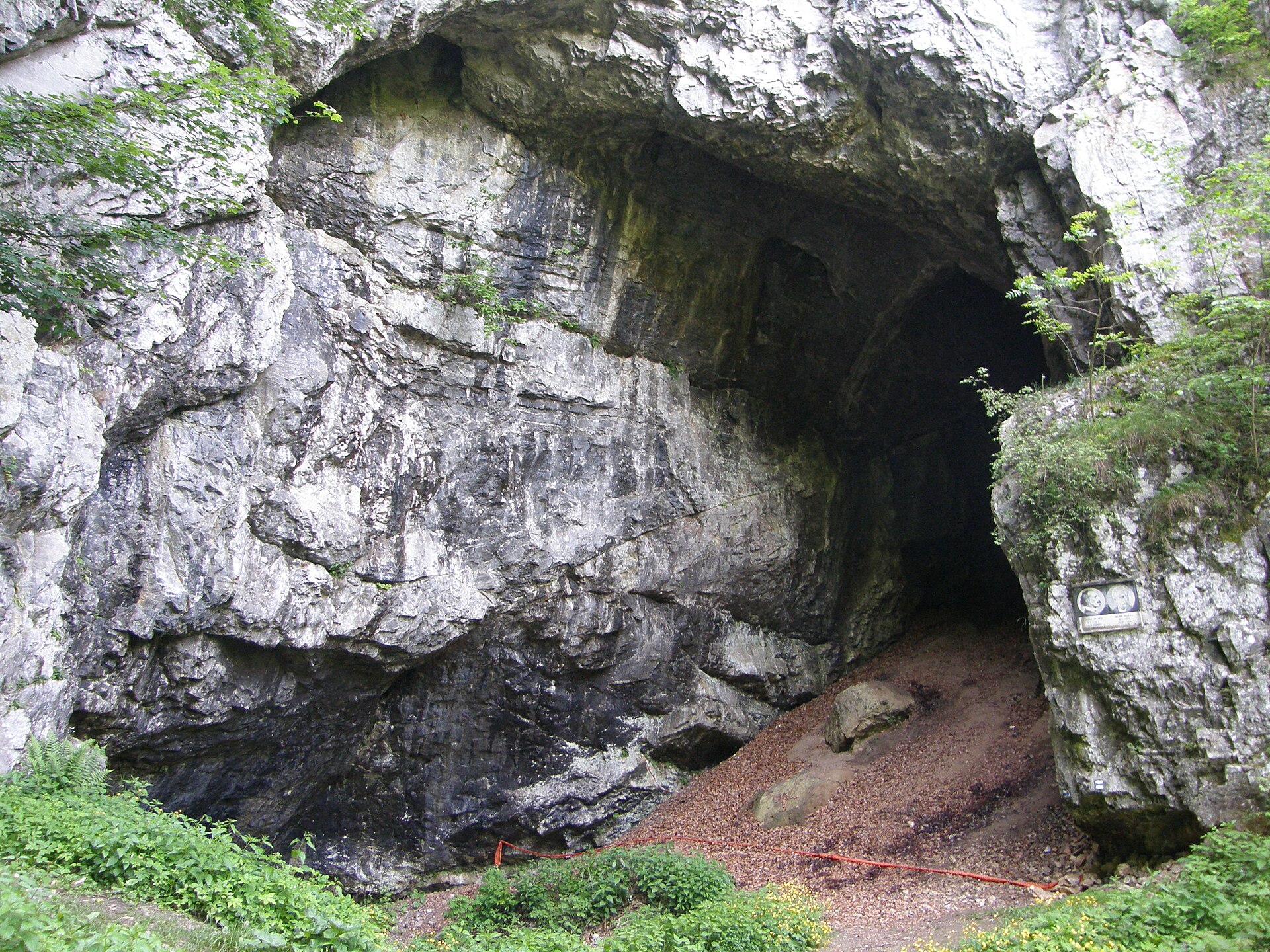
Žitného Cave (Žitného jeskyně) is a small karst cave in the Moravian Karst (Moravský kras), set into the left slope of the Křtiny valley (Křtinské údolí) near the village of Březina in the South Moravian Region of the Czech Republic. It lies within the Moravian Karst Protected Landscape Area and, unlike the show caves that draw crowds elsewhere in the same karst region, remains a site known mainly to researchers and cave enthusiasts rather than to mass tourism.
Where is Žitného Cave located?
The cave sits at the heart of the Moravian Karst, a limestone region stretching north of Brno across roughly 94 km² and containing more than 1,600 documented caves. The area has been protected as a landscape reserve since 1956. Žitného Cave's coordinates are approximately 49.290248 N, 16.728433 E, placing it on the slope of the Křtiny valley, one of several karst valleys that cut through the region. Of the four or five Moravian Karst caves open to visitors — Punkva Cave, Kateřina Cave, Balcarka Cave, the Sloup-Šošůvka Caves, and Výpustek Cave — none is the same site as Žitného Cave, underscoring its position off the main tourist circuit.
Where does the cave's name come from?
The cave is named after A. Žitný, a local forest ranger who in 1883 took part in the work of the prehistoric commission of the Vienna Academy of Sciences. His involvement in the research carried out by scholars from Vienna is the reason his name became attached to the cave site that was being explored at the time. Naming caves after rangers, gamekeepers, or local participants in early scientific expeditions was a common practice across the Moravian Karst, where exploration work was already intense in the second half of the 19th century.
What have archaeologists found in Žitného Cave?
The main reason Žitného Cave appears in scientific literature is its archaeological significance. Traces of prehistoric human settlement have been found inside, and the recovered tools and artifacts are attributed to the Magdalenian period — the final phase of the Upper Paleolithic, roughly 17,000 to 12,000 years ago, when hunter-gatherer groups roamed what is now Central Europe, hunting animals such as reindeer and steppe horses. The finds from Žitného Cave were documented in Karel Absolon's classic monograph "Moravský kras," a foundational scientific work covering the entire karst region. Absolon, a prominent Czech archaeologist and speleologist, is also credited with discovering Punkva Cave and exploring the Macocha Abyss. The cave's presence in his work marks its place in the history of research into Moravian prehistory, even though the site itself never became a mass-tourism attraction.
Can Žitného Cave be visited?
Žitného Cave is not among the show caves open for guided tours — unlike the nearby Punkva Cave or Kateřina Cave, it has no marked visitor trail or entrance infrastructure. Anyone interested in the area is better off planning a hike through the Křtiny valley and the surrounding trails of the Moravian Karst than expecting to enter the cave itself.
Frequently asked questions
Where exactly is Žitného Cave? On the left slope of the Křtiny valley in the Moravian Karst, near the village of Březina in the South Moravian Region.
Is Žitného Cave open to tourists? No — it is not one of the caves open for guided tours, unlike Punkva Cave or Kateřina Cave.
Why is Žitného Cave scientifically significant? Because of archaeological finds attributed to the Magdalenian period, documented in Karel Absolon's research.
Where does the cave's name come from? From A. Žitný, a forest ranger who took part in the work of the Vienna Academy of Sciences' prehistoric commission in 1883.
Nearby places

Earn badges for the places you visit
Download NextOnTrip, discover new places and check off your trails.