About this place
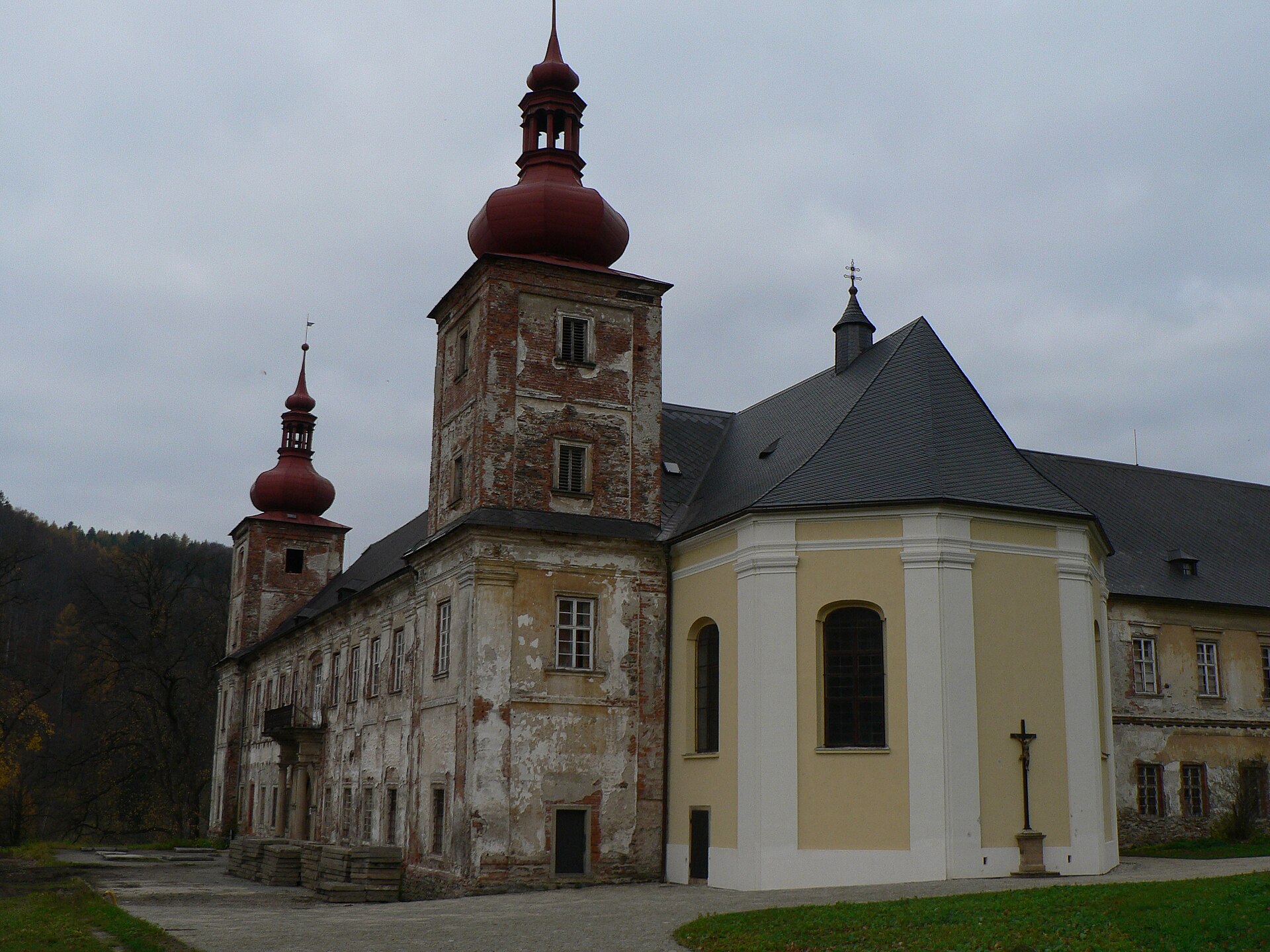
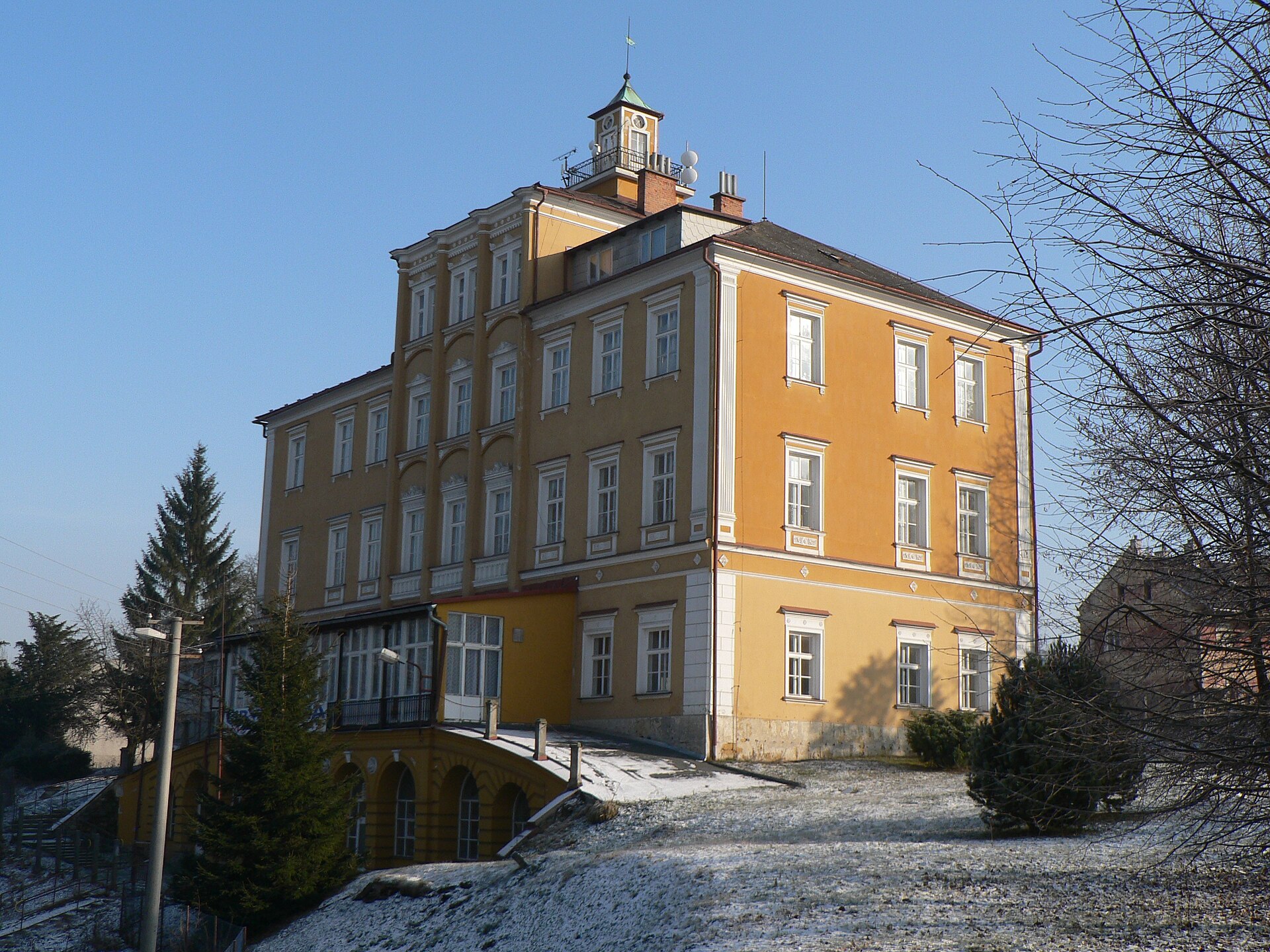
Sobotín Chateau is a 19th-century, romantically remodelled manor house in the village of Sobotín, about 9 km northeast of Šumperk in the Olomouc Region of the Czech Republic.
How did a factory turn into a chateau?
The site's story doesn't start with nobility — it starts with an ironworks. In 1811, Andreas Eisenbach, a settler from Podgórze in Galicia, leased an existing metal-goods works from the state and turned it toward firearms production, a logical move given the demand created by the Napoleonic Wars. In 1834, a small manor house went up on the grounds. The real turning point came in the 1840s, when the estate passed to the Klein family, German industrialists who converted the industrial complex into a chateau built in a romantic style.
What does the chateau look like?
Architecturally, it's a modest building: single-storey, laid out in an L-shape. The romantic character shows up in the facade detailing rather than in monumental scale — this was the residence of an industrial family, not the ancestral seat of old nobility. Alongside the construction work, the Kleins enlarged an existing small pond into a large ornamental lake and turned the surrounding grounds into a naturalistic park planted with exotic trees, a fairly typical way for a newly wealthy family to invest in the prestige of their estate.
Who were the Kleins, and what happened to them?
The Klein brothers were elevated to the nobility in recognition of their achievements — ennobling successful industrialists was a fairly common practice in the Habsburg monarchy during the 19th century. Their descendants, however, never matched that earlier success, and the Sobotín branch of the family faded after the Second World War, once the Communist Party took power in Czechoslovakia. Like the rest of the municipality's German population, the family was expelled after the war. A Klein family mausoleum still stands in Sobotín today and, alongside the chateau itself, counts among the village's historic landmarks.
What happened to the chateau under communism?
In the 1950s and 60s, the building housed the local national committee, the state administrative body of the period. At the end of the 1970s it was reconstructed and turned into a recreation centre for miners from the Dukla coal mine in Ostrava — a typical arrangement of the era, where a large industrial enterprise funded holiday facilities for its workforce.
What is the chateau used for today?
After 2012, the chateau and its adjoining park went through an extensive, costly reconstruction. Today the building operates as a hotel, run as part of a resort, offering accommodation inside the historic walls surrounded by the restored park grounds.
How do you get to Sobotín?
Sobotín lies close to Šumperk, in the Šumperk district of the Olomouc Region, in the foothills of the Hrubý Jeseník mountains. The village itself is first recorded in writing in 1351, meaning its settlement history reaches back much further than the chateau's. The area makes a convenient base for exploring the surrounding mountains and the smaller towns of the Šumperk district.
Frequently asked questions
When was Sobotín Chateau built? It took shape in the 1840s, when the Klein family converted an earlier manor house (built 1834) and metalworks (established 1811) into a chateau.
Who built Sobotín Chateau? The conversion was carried out by the Klein family, German industrialists later ennobled for their achievements, who rebuilt the existing works and manor into a romantic-style residence.
What happened to the chateau after the Second World War? The Klein family was expelled along with the rest of the municipality's German population. Through the 1950s and 60s the building served the local national committee, and from the late 1970s it operated as a recreation centre for miners from Ostrava.
Can you visit Sobotín Chateau today? Yes. Following a reconstruction completed after 2012, the chateau now functions as a hotel, and the surrounding park is open to visitors.
Nearby places

Earn badges for the places you visit
Download NextOnTrip, discover new places and check off your trails.