About this place
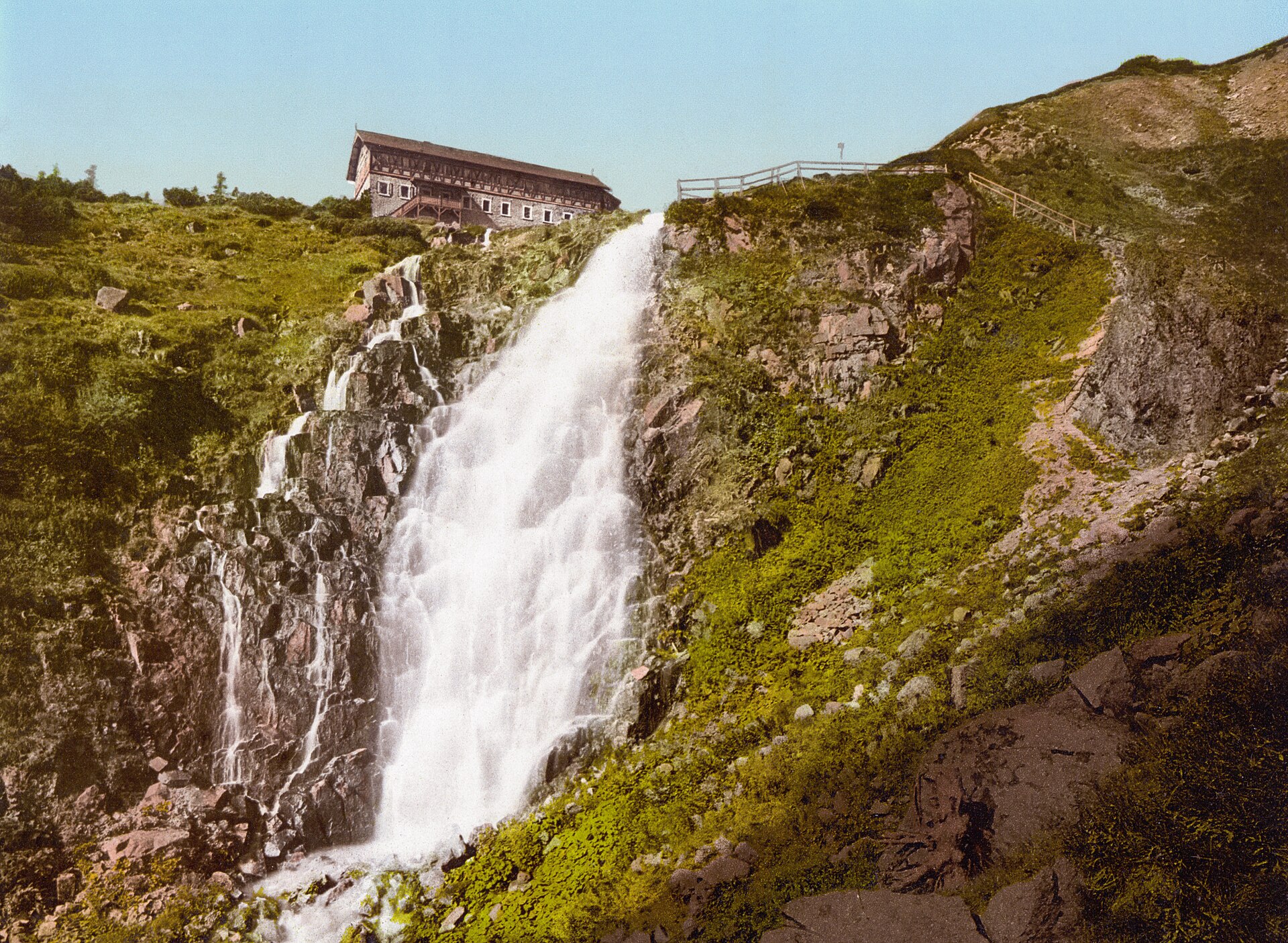
Pančava Waterfall (Wodospad Panczawy) is one of the best-known waterfalls in the Czech Krkonoše (Giant Mountains), located near the town of Špindlerův Mlýn. It formed on the Pančava stream, which cascades down through the valley known as Labský důl (Elbe Valley), creating one of the tallest and most striking waterfalls anywhere in the Krkonoše range on the Czech side of the border.
Where exactly is the waterfall located?
The waterfall lies within the Krkonoše National Park (Krkonošský národní park), inside Labský důl — one of the deepest and most scenic glacial valleys in the entire range. Its coordinates are 50.7612, 15.5461. The surrounding terrain is steep and rocky, covered with vegetation typical of the high-altitude parts of the Krkonoše, which means the approach itself is part of the experience of visiting the site.
How do you get to Pančava Waterfall?
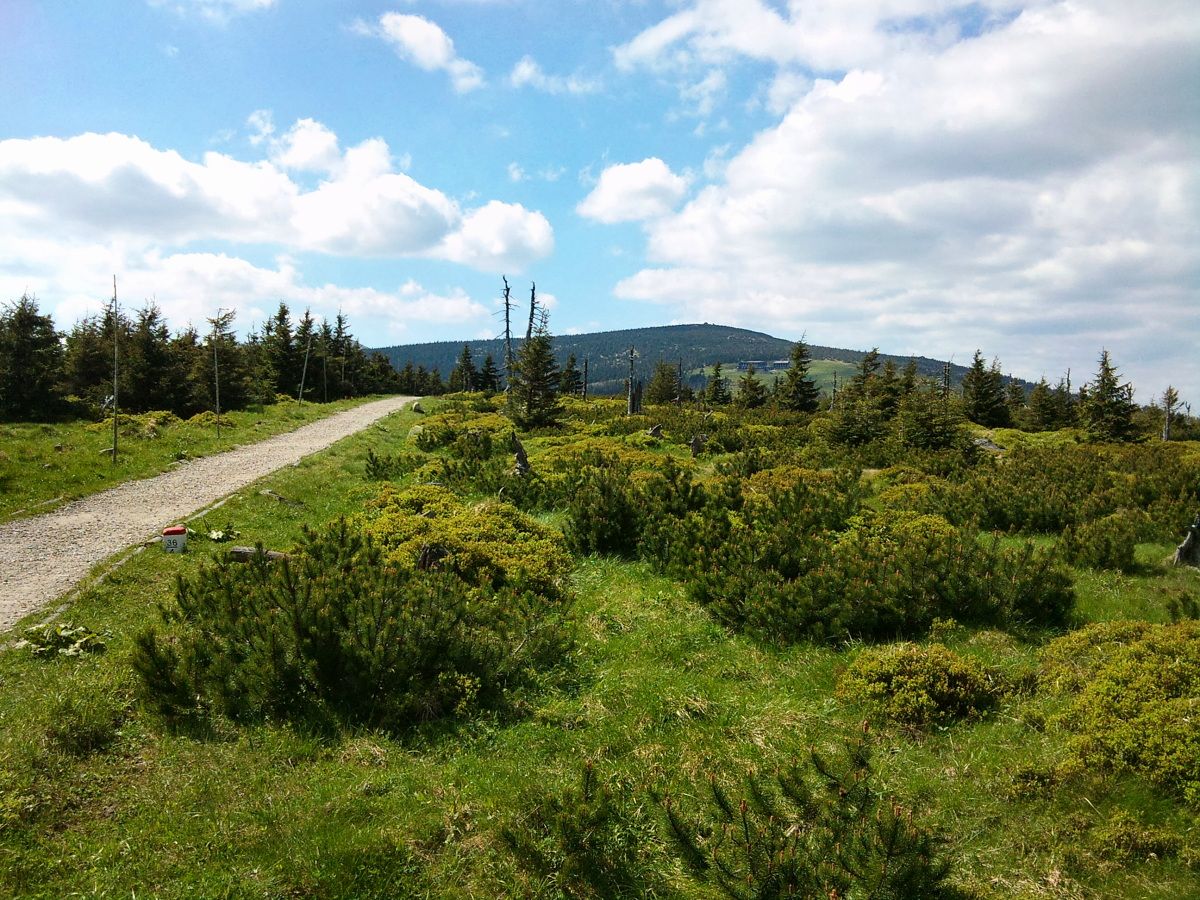
Most visitors start from Špindlerův Mlýn, a well-known Czech mountain town best recognized as a ski resort in winter but equally popular in summer as a base for hiking in the Krkonoše. From there, marked hiking trails lead into Labský důl; there is no direct road access to the waterfall itself, since the area lies within the national park, where vehicle traffic is restricted. The route passes through forest before opening onto the broader valley, offering views of the surrounding peaks and the cascading course of the Pančava stream.
What can you see on site?
The main attraction is the course of the waterfall itself, where the water drops over a series of rocky steps, forming the multi-tiered cascade typical of mountain waterfalls carved into the hard bedrock of the Krkonoše. The Labský důl valley surrounding the waterfall is a destination in its own right, valued for its wild, largely untouched character and its distinctive glacial landforms. The spot appeals both to nature photographers and to hikers looking for mountain scenery away from the more crowded trails.
When is the best time to visit?
The best months to visit run from May to October, when the trails into the valley are fully accessible and spring snowmelt or summer rainfall keep the waterfall well supplied with water. In spring, once the snow in the higher parts of the Krkonoše begins to melt, the waterfall is often at its most impressive. In winter, access to this part of the national park becomes much more difficult due to mountain conditions and snow cover, so a summer hike is the more practical choice.
Frequently asked questions
Can you drive to the waterfall? No — the waterfall lies within the Krkonoše National Park, where there is no road access for cars. It can only be reached on foot, via marked hiking trails starting from Špindlerův Mlýn.
How long does it take to reach the waterfall? The time needed depends on the chosen route and the hiker's fitness, but given the mountainous terrain and elevation gain, it is worth planning a full day for the round trip.
Is the waterfall accessible all year round? The best conditions for visiting are from spring through autumn. In winter, the valley can be difficult to access due to snow and high-mountain conditions.
Which stream formed the waterfall? Pančava Waterfall formed on the Pančava stream, which flows through Labský důl in the Czech Krkonoše mountains.
Nearby places

Earn badges for the places you visit
Download NextOnTrip, discover new places and check off your trails.