About this place
Wittouck Castle (also known as Château de La Fougeraie) is a stately mansion in Uccle, on the southern edge of Brussels, standing right at the border of the Sonian Forest (Forêt de Soignes / Zoniënwoud). The building was completed in 1911 for Paul Wittouck, a Belgian industrialist who, together with his brother Frantz, built one of the largest sugar-manufacturing businesses in Belgium in the years before the First World War. The design was created by the French architect Louis Süe, who later became known as one of the founding figures of the Art Deco movement in France.
What does the castle look like?
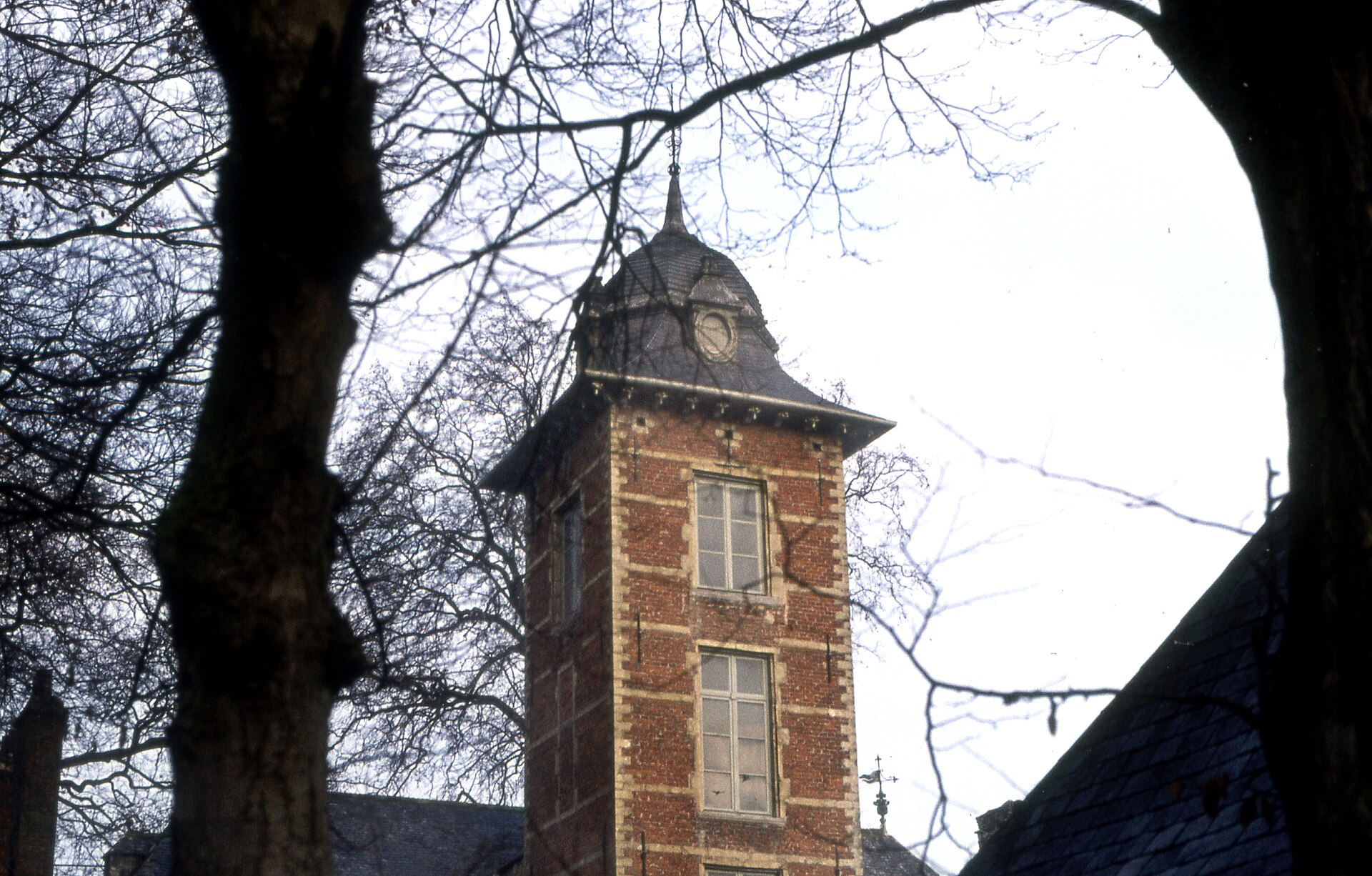
The mansion follows a neoclassical style, with a symmetrical, expansive layout, tall windows and carefully worked architectural detailing typical of residences built for wealthy industrialists at the turn of the 20th century. The scale of the building was meant to reflect the standing of the Wittouck family, whose sugar fortune placed them among the wealthiest families in Belgium at the time.
Why was it built in Uccle?
The choice of location, right next to the Sonian Forest, was no coincidence. Around the turn of the 19th and 20th centuries, Uccle and the neighbouring municipalities became a favoured area for Belgium's industrial bourgeoisie to build residences, drawn by the proximity of the forest, the quiet surroundings and the prestige of living away from the noise of central Brussels. Château de La Fougeraie fits the same pattern as other mansions and villas built in this part of the city during that period.
Who was Paul Wittouck?
Paul Grégoire Pierre Wittouck (1851–1917) was a Belgian entrepreneur who, alongside his brother, grew a sugar business into a national and, over time, international operation. The fortune built on sugar production allowed the family to invest in representative properties, and Wittouck Castle remains one of the most recognisable traces of that era in Uccle.
What is worth knowing about the surroundings?
The mansion sits in a quiet, green part of Uccle, directly bordering the Sonian Forest — one of the largest forest complexes in the Brussels region, part of a transnational UNESCO World Heritage listing covering ancient beech forests. This makes the area around the castle a popular destination for visitors who want to combine a walk through historic architecture with time spent in nature.
Frequently asked questions
Can you visit the inside of Wittouck Castle? The building serves a private or institutional function, so free public access to the interior is not available — visitors typically admire the mansion and its grounds from the outside while walking the paths bordering the Sonian Forest.
Who designed the castle? The mansion was designed by French architect Louis Süe, who built it in 1911 for the industrialist Paul Wittouck.
Why was the Wittouck family so wealthy? Paul Wittouck and his brother Frantz ran one of the largest sugar-manufacturing businesses in Belgium, which gave them the means to invest in representative buildings such as this castle.
How do you get to Wittouck Castle? The property is located in Uccle, a district in the south of Brussels, near the Sonian Forest — the easiest approach is to reach Uccle by public transport and continue on foot toward the edge of the forest.
Are there other attractions nearby? Yes — the neighbouring Sonian Forest offers walking and cycling trails, and the district of Uccle itself contains several other historic mansions from the same period.
Nearby places

Earn badges for the places you visit
Download NextOnTrip, discover new places and check off your trails.