About this place
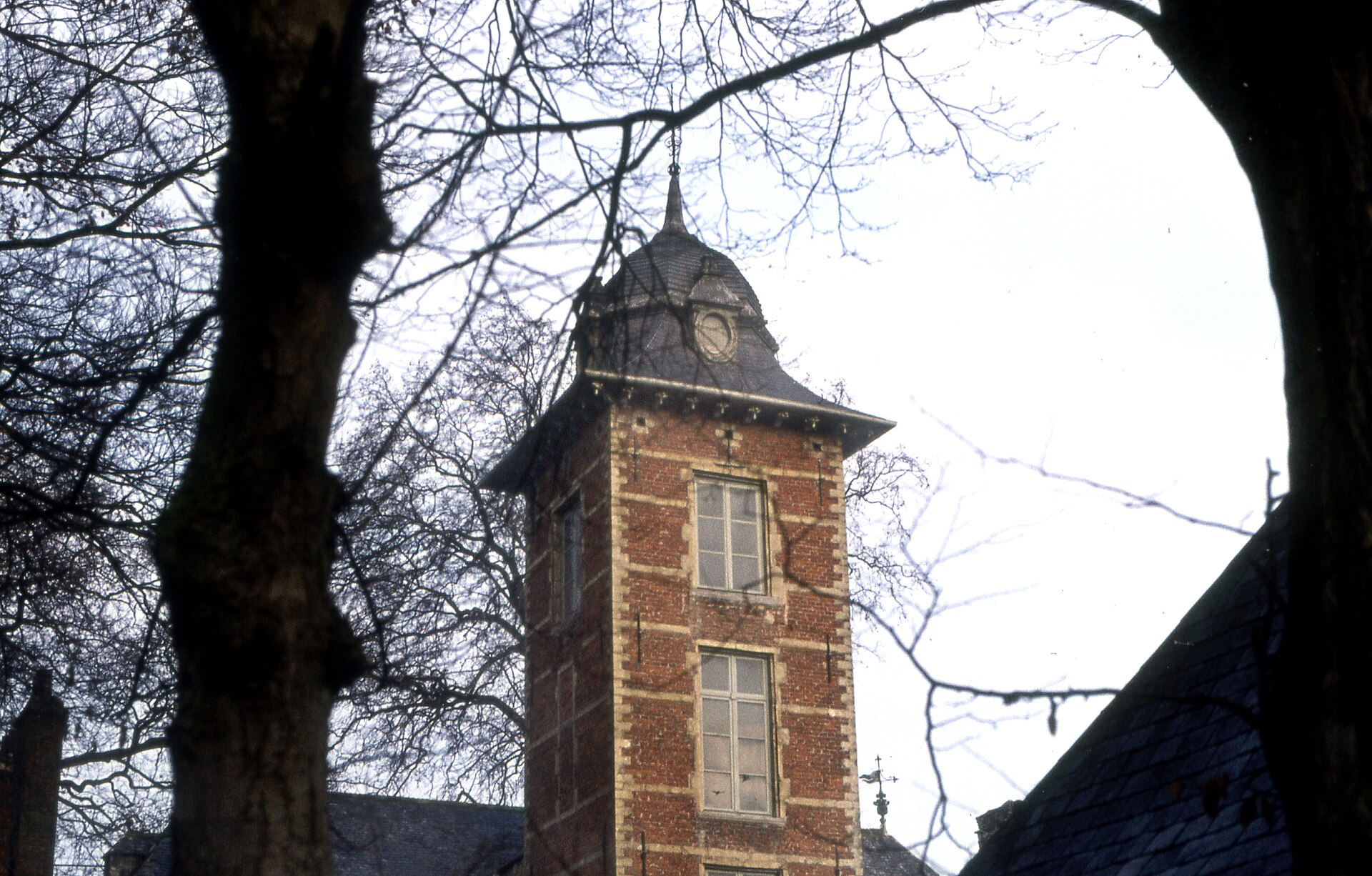
Wolvendael Castle stands at the heart of the park bearing its name, in the Brussels municipality of Uccle (Ukkel). Though modest in scale compared to grand European palaces, its history stretches back to the early 13th century.
Where does the name Wolvendael come from?
The earliest recorded mention of the name "Woluesdal" dates to 1209, later evolving into the modern "Wolvendael." The name means "valley (dael) at the bend (wolf)," most likely referring to the winding course of the Ukkelbeek stream that once ran through the area. That gentle valley, framed by low hills, shaped the character of the entire park that eventually grew up around the residence.
When was the castle built?
The current building was constructed in 1763 on the initiative of the Vanderborght family. This was a period when the countryside around Brussels was being dotted with country residences for wealthy townspeople and aristocrats, and Wolvendael fits squarely into that trend: a simple, rectangular structure without the added wings that would come later.
Who owned the castle?
Over the course of the 18th and 19th centuries, Wolvendael passed through the hands of several notable aristocratic families. After the Vanderborghts, the estate came under the ownership of the Mosselman du Chenoy family, one of the more prominent Belgian families of the era, tied to the economic and social life of Brussels.
How did the building change over time?
A significant transformation came around 1911, when the Janssens family added a new wing to the castle. This extension broke the original symmetry of the simple 18th-century rectangular structure, giving the building the more complex, asymmetrical form it retains today.
What is the castle used for now?
Today the building houses the Art School of Uccle (École d'art d'Uccle), giving it an active educational and cultural role. It remains a defining feature of Wolvendael Park, one of the larger and most frequently visited green spaces in this part of Brussels.
Frequently asked questions
Can Wolvendael Castle be visited? The building functions as an art school, so access to the interior is limited to the school's activities. The surrounding park, however, remains open to the public.
How old is the castle? The current building dates to 1763, though the name of the area itself — Wolvendael — has been documented since 1209, making it one of the older recorded sites in the Uccle area.
What does the name Wolvendael mean? The name comes from Dutch words meaning "valley at the bend," referring to the winding course of the Ukkelbeek stream that once flowed through the area.
Who expanded the castle? The biggest architectural change came from the Janssens family around 1911, when they added a new wing that disrupted the building's original symmetry.
Wolvendael Castle and its park remain one of those Brussels spots where history dating back to the Middle Ages meets the everyday cultural life of the Uccle community.
Nearby places

Earn badges for the places you visit
Download NextOnTrip, discover new places and check off your trails.