About this place
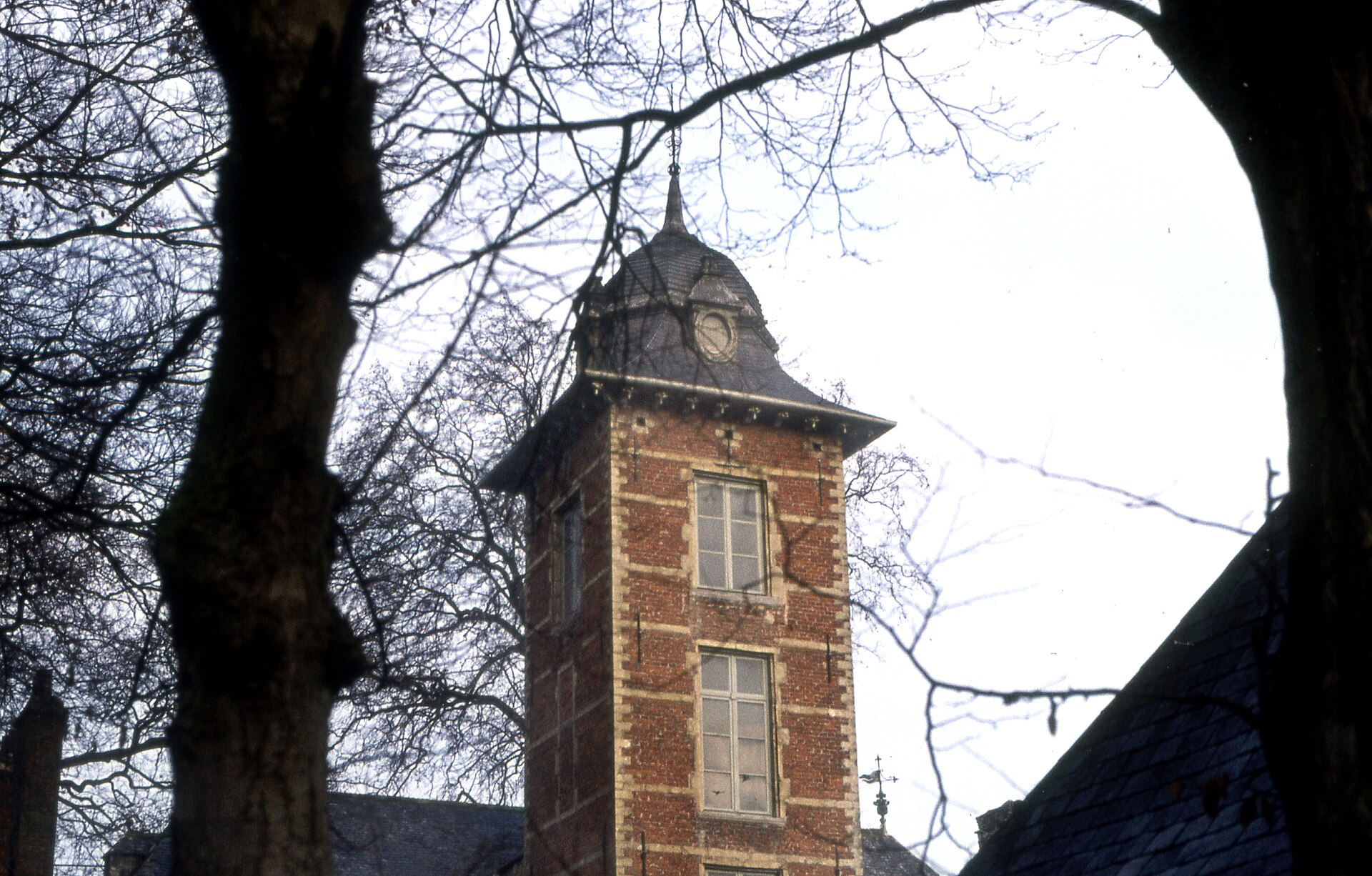
Uccle Municipal Hall (French: Maison communale d'Uccle, Dutch: Gemeentehuis van Ukkel) is the historic seat of local government for one of the nineteen municipalities of the Brussels-Capital Region. For decades the building associated with this role stood on Place Jean Vander Elst, in the central part of Uccle, designed in a style echoing the French Louis XIII tradition, before the administration eventually relocated.
How did the municipality get its first administrative home?
Uccle was formally established as a municipality in 1795, during the period of French rule over the territories that now form Belgium. At the time, it had no dedicated administrative building of its own — municipal business was instead conducted from borrowed or repurposed premises. Initially, a house known as the Spijtigen Duivel served this role, and from December 1797 the rectory attached to the Saint-Pierre church took over as the de facto town hall. It took several more decades before the municipality invested in a purpose-built structure.
What came before the Place Jean Vander Elst building?
Between 1828 and 1830, a new municipal building was erected on Place Homère Goossens. Unlike a purely administrative structure, this building served a dual purpose from the outset, housing both the local government offices and a school under one roof. Combining civic and educational functions in a single building was a common practical solution for smaller municipalities of the era, when public infrastructure budgets were limited even as population growth from Brussels' expanding suburbs put pressure on local services.
What does the Place Jean Vander Elst building look like?
The next chapter in the story of Uccle's civic architecture is the building on Place Jean Vander Elst, designed in a style drawing on the French Louis XIII tradition. This architectural language is typically recognizable through its contrast of brick facades with stone window surrounds and corner quoins, steep roof lines, and a symmetrical, formal front elevation. Such a style was frequently favored for public buildings in Belgium around the turn of the 20th century, since it conveyed institutional gravity and structural solidity while remaining more ornamented than plain classicism.
Where is the municipal administration located today?
As administrative needs grew, Uccle's local government eventually moved again. Since March 2022, the municipal offices have operated from a new address at 77 Rue de Stalle. The historic building on Place Jean Vander Elst nonetheless remains a significant landmark for the municipality, standing as a record of the successive stages of local governance in Uccle from the late 18th century to the present day.
Frequently asked questions
Is the Place Jean Vander Elst building still used as the town hall? No — since March 2022, Uccle's municipal administration has operated from a new address at 77 Rue de Stalle.
What were the earlier seats of Uccle's local government? Before a dedicated building existed, municipal functions were carried out first from the Spijtigen Duivel house, then from the rectory of the Saint-Pierre church, and from 1828–1830 from a combined school-and-town-hall building on Place Homère Goossens.
In what architectural style was the historic town hall built? The building on Place Jean Vander Elst was designed in a style inspired by the French Louis XIII tradition, common among Belgian public buildings of that period.
Where exactly is Uccle located? Uccle is one of the nineteen municipalities of the Brussels-Capital Region in Belgium, and the administrative buildings described here sit in its central area.
Nearby places

Earn badges for the places you visit
Download NextOnTrip, discover new places and check off your trails.