About this place
Urdanibia Palace (Basque: Urdanibia jauregia) is a Renaissance-era manor house in Irun, in Spain's Basque Country, standing as one of the best-preserved historic buildings in this border town on the Bidasoa river.
What is the story behind the palace?
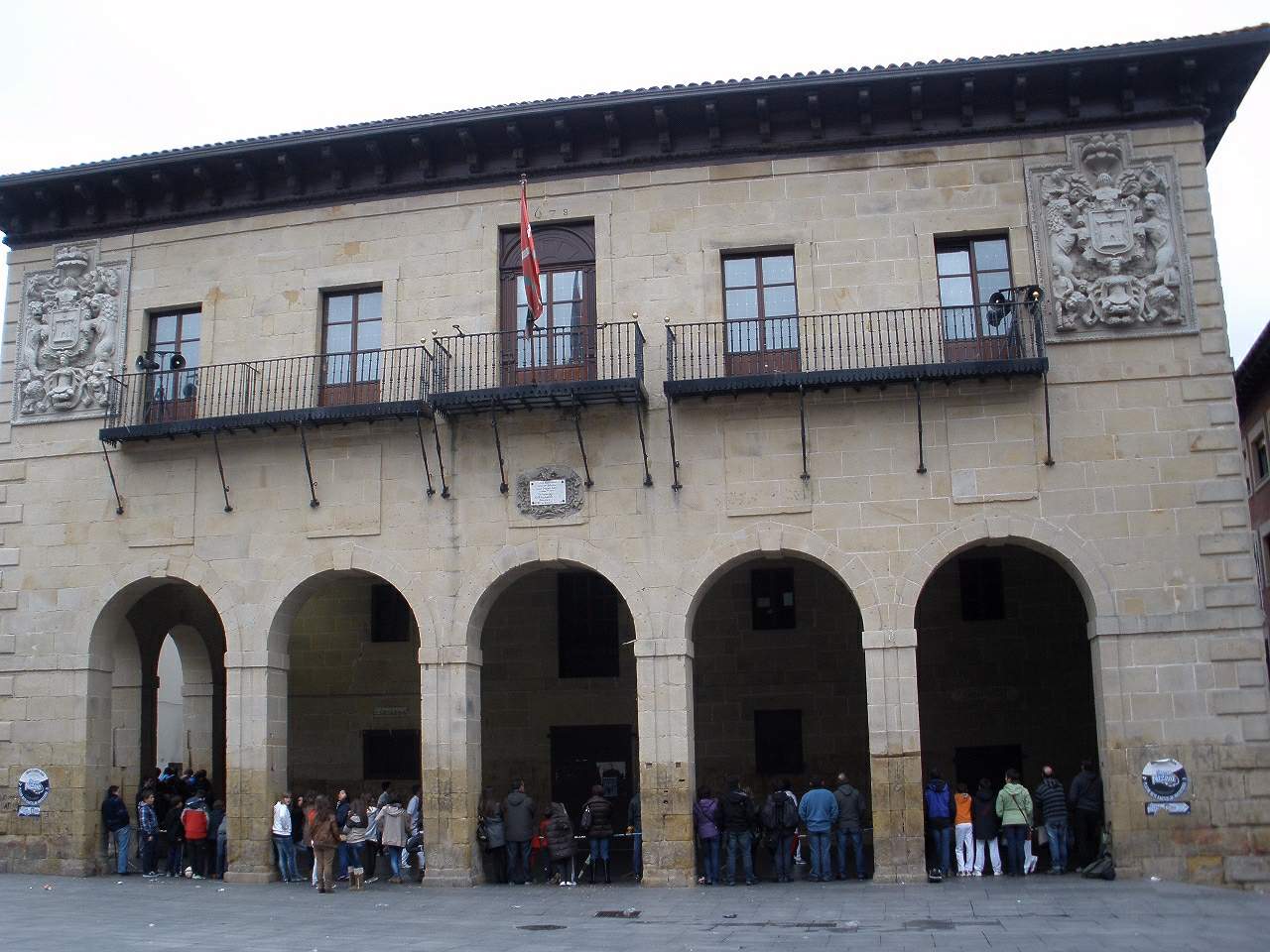
The building was completed in 1612 at the request of Sebastián de Urdanibia, replacing a medieval defensive tower that had stood on the same plot — the Urdanibia lineage had been a prominent noble family in the area since the 14th century. An architect of Italian origin was brought in for the project, which explains the classicizing proportions and refined detailing visible on the stone facade. The ashlar front is one of the most striking in the region and bears two heraldic shields, one belonging to the Aranzate family.
What will you see on site?
The palace follows a rectangular floor plan across three storeys, topped by a four-sided roof typical of noble residences built in the Basque Country during this period. The most striking detail is the coat of arms showing a burning tower, which commemorates events from 1476, when Gipuzkoan forces repelled a French incursion. Pedro de Urdanibia, then owner of the Aranzate tower, set the structure on fire while French soldiers were sheltering inside — an estimated 120 of them died. That dramatic episode became a permanent part of the family's — and the palace's — heraldic identity.
In 2000, the entire complex, including the neighboring mill and the old ironworks (ferrería), was declared a protected monumental ensemble, underlining its importance to the area's architectural and industrial heritage.
How has the building been used over time?
Urdanibia Palace has taken on several roles throughout its history. Between 1992 and 2003 it housed the headquarters of the International Federation of Basque Pelota, a sport closely tied to the Bidasoa region's identity. Today the building holds the archives of the Basque Film Library (Filmoteca Vasca), giving it an active cultural function well beyond that of a simple sightseeing stop.
How do you get there?
The palace sits in Irun, a town right on the French-Spanish border, well connected by rail and road to San Sebastián and to Hendaye on the French side. A visit pairs naturally with a walk along the Bidasoa river and a look at the surrounding neighborhood, where traces of the old industrial buildings tied to the mill and ironworks still remain.
When is the best time to visit?
Spring and early autumn are the most rewarding seasons, offering mild weather for walking around without the summer crowds heading for the nearby Basque coast beaches. The stone facade and its heraldic shields are easiest to appreciate in the afternoon light, when the carved details stand out most clearly.
Frequently asked questions
When was Urdanibia Palace built? It was completed in 1612 at the request of Sebastián de Urdanibia, on the site of an earlier defensive tower belonging to the family.
What does the burning-tower emblem represent? It commemorates the events of 1476, when Pedro de Urdanibia set fire to the Aranzate tower with French soldiers sheltering inside during a border conflict.
Can visitors go inside the palace? The building currently serves as the archive of the Basque Film Library, so interior access is generally limited to institutional purposes — it's worth checking current conditions before planning a visit.
What else is part of the historic complex? The protected ensemble also includes the former mill and ironworks (ferrería) next to the palace, both listed together with the building in 2000.
Nearby places

Earn badges for the places you visit
Download NextOnTrip, discover new places and check off your trails.