About this place
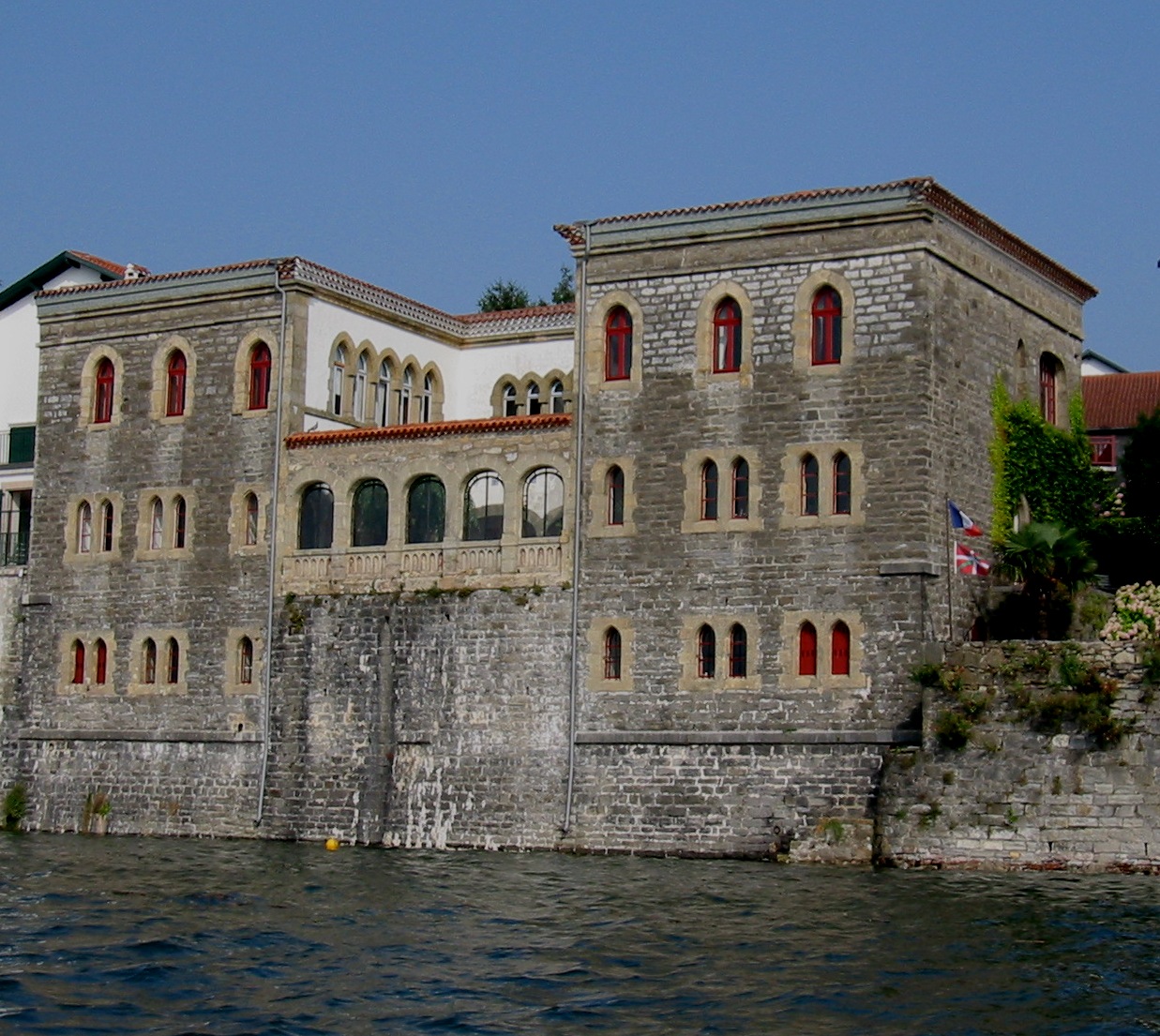
Palacio Zuloaga is a 19th-century residence in Hondarribia (historically known as Fuenterrabía), in Spain's Basque Country, officially listed as a cultural property. The building carries the name of the Zuloaga family, a Basque dynasty of metalworkers who earned international acclaim for reviving the art of damascening.
Where does the name come from?
The Zuloaga name belongs to one of 19th-century Spain's most remarkable artistic families. Eusebio Zuloaga pioneered the revival of damascening, an old technique of inlaying gold and silver into iron to create intricate decorative patterns. His son, Plácido Zuloaga, a sculptor and metalworker in his own right, took over the family's arms factory and turned it into a workshop producing refined art pieces that won multiple awards at international exhibitions. Plácido was the half-brother of painter Daniel Zuloaga and the father of Ignacio Zuloaga, one of Spain's best-known painters at the turn of the 20th century. It's this family that lends its name to the residence in Hondarribia known today as Palacio Zuloaga.
How do you get to Palacio Zuloaga?
The building sits in Hondarribia, a border town in the province of Gipuzkoa, right where the Bidasoa river meets the sea and separates Spain from France. Hondarribia is close to San Sebastián and to Biarritz airport on the French side, making it an easy stop whether you're coming from Spain or France. Local buses connect the town with San Sebastián, and once you arrive, Hondarribia's compact historic center is best explored entirely on foot.
What else is worth seeing nearby?
Palacio Zuloaga is part of the rich architectural fabric of Hondarribia's old town, famous for its colorful wooden balconies, medieval defensive walls, and the Charles V castle. Walking through the historic center, it's worth noticing how noble and merchant houses from different periods sit side by side, forming the distinctive look of a Basque port town. The palace's name itself is a reminder of an era when artistic metalwork carried as much prestige as maritime trade.
When is the best time to visit?
Hondarribia enjoys a mild Atlantic climate, which makes the town pleasant to explore for most of the year. Spring and early autumn bring fewer crowds and comfortable temperatures for wandering the old town. Summer draws more visitors, largely due to the nearby beaches and the French border crossing, so it's worth keeping that in mind when planning a visit to the area around the palace.
Why does the Zuloaga family's history matter?
The story of the Zuloaga family shows how a metalworking craft rose to the level of fine art. Damascening — inlaying gold and silver into an iron surface — had been practiced in Spain for centuries, but it was the Zuloagas who gave it renewed artistic ambition, earning recognition at European exhibitions along the way. When you pass Palacio Zuloaga in Hondarribia, you're looking at a building that ties the town's architecture to the legacy of one of the region's most creative artistic families.
Frequently asked questions
Where exactly is Palacio Zuloaga located? In Hondarribia, a town in the province of Gipuzkoa in Spain's Basque Country, close to the French border.
Where does the palace's name come from? From the Zuloaga family, Basque metalworkers known for reviving the damascening technique in the 19th century.
Is the palace connected to a specific historical figure? Yes — to Plácido Zuloaga, a sculptor and metalworker, son of Eusebio Zuloaga and father of the painter Ignacio Zuloaga.
Is it worth combining a visit with the rest of Hondarribia's old town? Absolutely — the palace is part of the historic townscape, best appreciated on a walk through the old center.
Nearby places

Earn badges for the places you visit
Download NextOnTrip, discover new places and check off your trails.