About this place
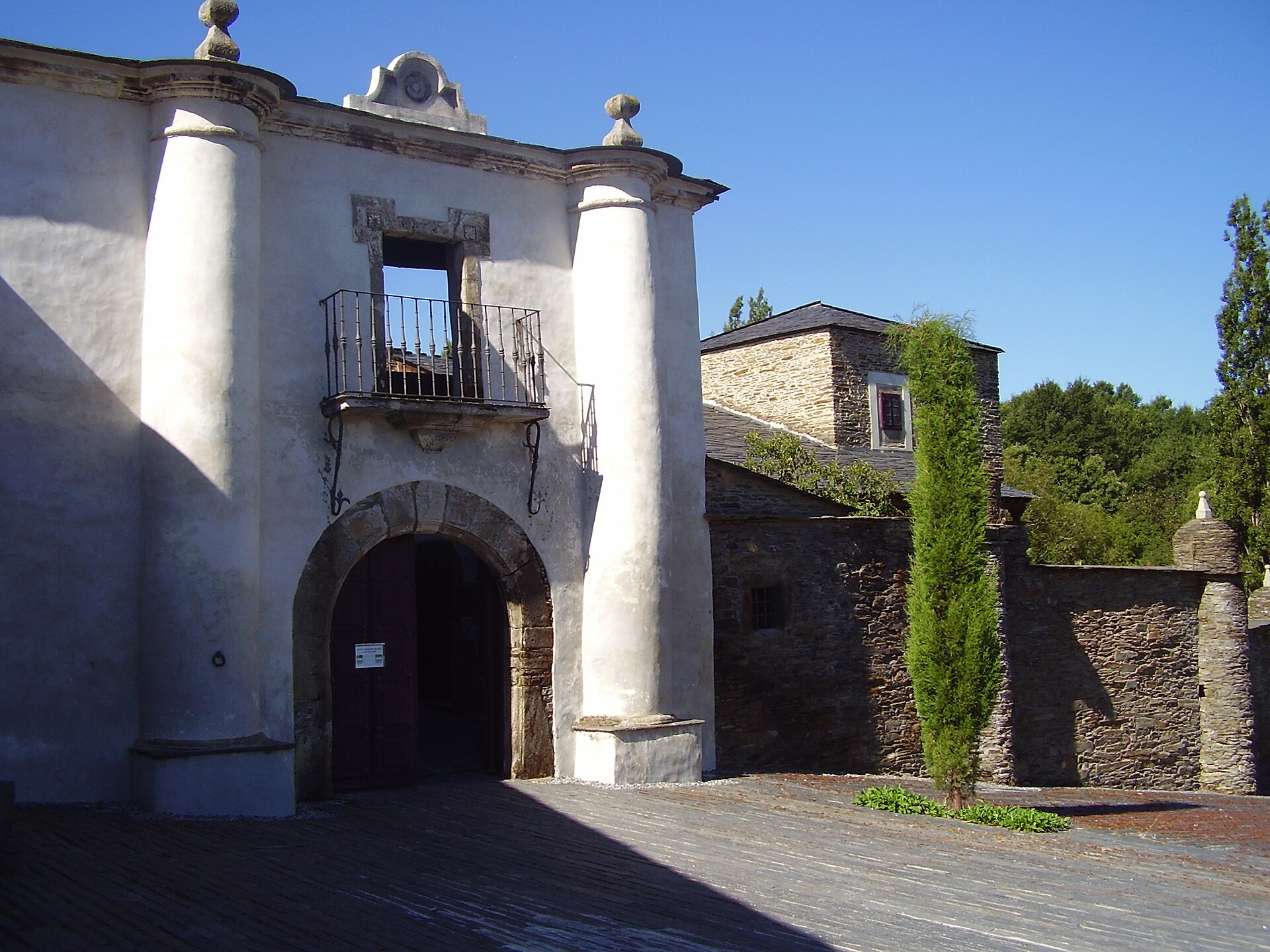
Triacastela town hall (Ayuntamiento de Triacastela) is the seat of local government for the small Galician town of Triacastela, in the province of Lugo, within the Sarria comarca. The building stands on Plaza de la Diputación and administers a municipality of roughly 160 residents — yet its significance reaches well beyond paperwork, since it sits on one of the most historic legs of the Camino de Santiago, passed by thousands of pilgrims every year.
Where is Triacastela and why does it matter?
Triacastela lies in a narrow, sun-filled valley surrounded by mountains, right in the heart of the Camino Francés — the French route of the Way of St. James. Santiago de Compostela is still about 134 km away from here, making the town one of the last major stopping points before pilgrims reach their destination. The name "Triacastela" ("three castles") refers to medieval fortifications that no longer physically exist, though the story behind them is still told by locals and guides.
How do you get to the town hall in Triacastela?
The simplest way is on foot or by bike along the Camino Francés — the trail runs almost straight through the town center, so the town hall is impossible to miss. Drivers can reach Triacastela on the road connecting Sarria and O Cebreiro, while the nearest larger town with train and bus connections is Lugo. The town hall itself sits on the central square, surrounded by bars, albergues, and small shops catering to pilgrims.
What can you see nearby?
Beyond the administrative building itself, it's worth taking in the wider town — a classic Galician pilgrim village where stone houses stand next to newer albergues, and daily life has revolved around travelers for centuries. Triacastela is already mentioned in the medieval Codex Calixtinus, confirming its role as a resting point for pilgrims since at least the 13th century. Away from religious tourism, the municipality's economy leans on livestock farming, mainly beef cattle and, to a lesser extent, dairy — visible on the pastures stretching along the valley.
When should you visit?
The best time is spring (May-June) or early autumn (September), when pilgrim traffic is steady but temperatures stay mild and the mountain valley looks its best. Summer, especially July and August, brings the heaviest crowds on the trail and in the albergues, which can be an issue for travelers seeking a quieter pace. Winter in this part of Galicia is cold and rainy, and some pilgrim infrastructure runs on reduced hours.
Practical information
The town hall serves residents and travelers during standard office hours typical of small Galician municipalities, usually with a midday break. It's a good place to ask about local events, current trail conditions, or accommodation if an online search doesn't turn up enough information.
Frequently asked questions
Is the Triacastela town hall open to tourists? The building serves an administrative function rather than being a museum-style attraction, but its facade and central location on the town square make it a common photo stop for pilgrims passing through.
How far is it from Triacastela to Santiago de Compostela? About 134 km remain along the Camino Francés, which usually translates to another 5-6 days of walking.
Can you find accommodation in Triacastela? Yes, the town has a well-developed pilgrim infrastructure, including albergues and guesthouses clustered around the center, close to the town hall.
Where does the name Triacastela come from? The name refers to three medieval castles once said to have stood on the site — nothing physical remains of them today, but the name has endured.
Nearby places

Earn badges for the places you visit
Download NextOnTrip, discover new places and check off your trails.