About this place
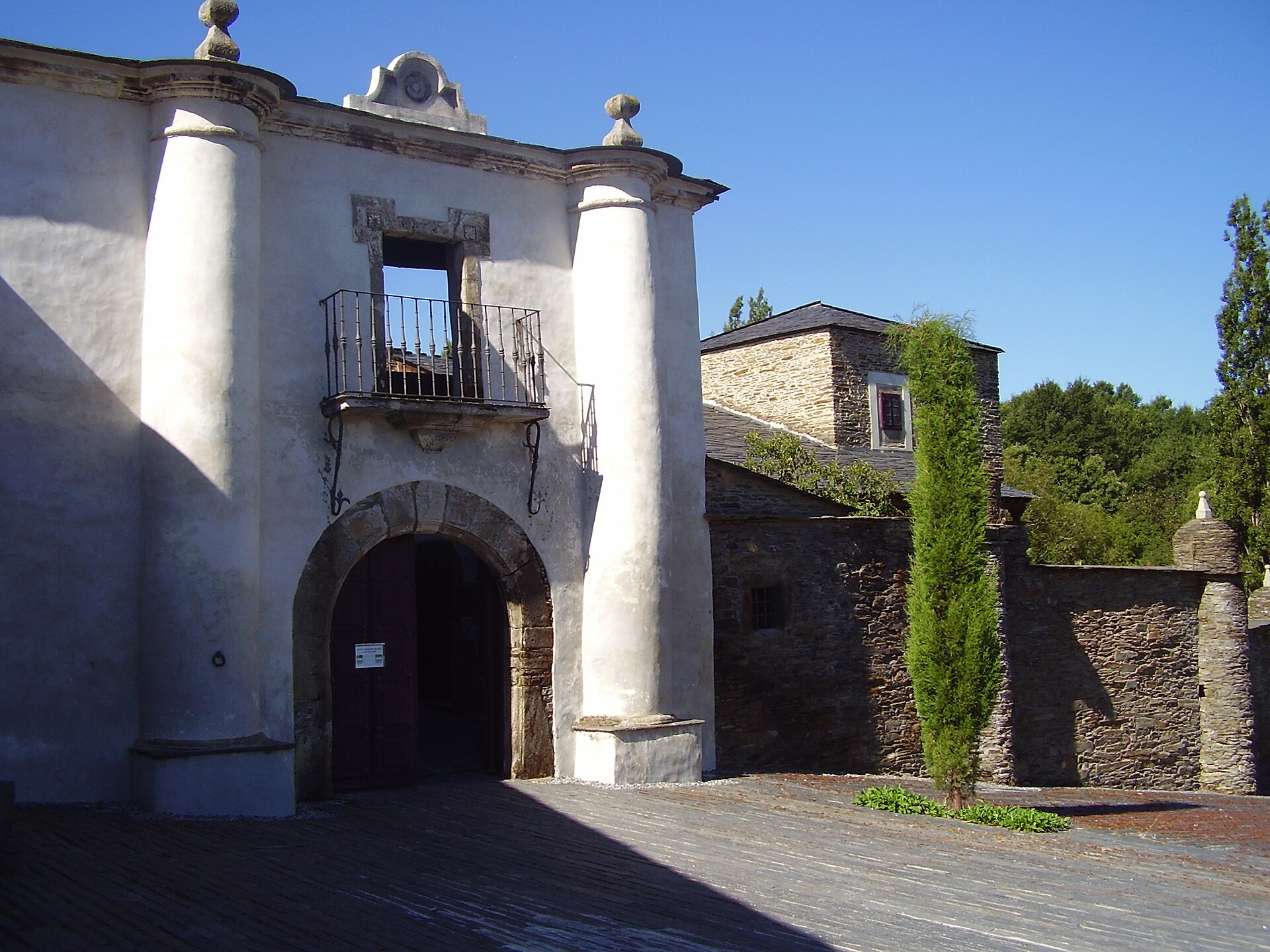
Becerreá town hall sits on Praza do Concello, the main square of Becerreá, a small town in the mountainous eastern corner of Lugo province in Galicia. It is a working municipal building rather than a museum piece, but it functions as the natural landmark and starting point for anyone passing through the town.
Where is it and how do you get there?
The building stands on Praza do Concello, right in the heart of Becerreá, surrounded by the town's main streets and shops. Becerreá lies on the road linking the city of Lugo with the Os Ancares mountain area, at the foot of the ranges that mark the eastern edge of Galicia. Drivers reach it easily via the N-VI road or the A-6 motorway between Lugo and Ponferrada, since Becerreá is one of the natural stopping points along that corridor. Travellers without a car usually connect through Lugo, from where Becerreá is only a short bus or taxi ride away.
What will you see there?
The town hall itself is a functional civic building housing the mayor's office, the council chamber where plenary sessions are held, the civil registry, the municipal archive, and the departments handling urban planning and finance. The square in front of it is the real social hub of the town — local events take place there, and the surrounding streets are lined with cafés and small shops. With a population of just over 2,500, Becerreá's centre is compact enough to explore entirely on foot in under an hour, which makes the town hall a convenient orientation point before heading further into town or out into the surrounding countryside.
Becerreá also has a place on the pilgrimage routes to Santiago de Compostela. The town lies along the Camino de Invierno (Winter Way), a historic Camino de Santiago variant first described in the 15th century by the German monk Hermann Künig, who recommended it as a lower, gentler alternative to the high passes of O Cebreiro. The area also sits close to the line of an old Roman road that once connected Asturica (present-day Astorga) with Lugo, one of the key ancient routes through this part of Hispania.
When is the best time to visit?
Spring (April to June) and early autumn (September and October) offer the most comfortable conditions in this part of Galicia — summers can turn hot in the valleys, while winter at this altitude brings cold, damp weather and occasional snow on the higher ground. For pilgrims walking the Camino de Invierno, these shoulder seasons also mean lighter foot traffic, which makes it easier to find a bed in the local albergues.
If your visit involves any actual business at the town hall, check its opening hours in advance — like most Spanish municipal offices, it typically closes at midday and stays shut on weekends.
Frequently asked questions
Can you visit Becerreá town hall as a tourist attraction? It's an active municipal office, not a museum, so there are no guided visits inside. You can, however, freely see and photograph the building from the square in front of it.
Does the Camino de Santiago pass through Becerreá? Yes. The town lies on the Camino de Invierno, a historic Camino variant that bypasses the highest stretches of the O Cebreiro mountain pass.
How big is Becerreá? It's a small town of just over 2,500 residents and serves as the seat of the municipality of the same name in Lugo province.
What else is worth seeing nearby? Becerreá is a convenient gateway to the Os Ancares mountains, known for hiking trails and landscapes typical of eastern Galicia.
Nearby places

Earn badges for the places you visit
Download NextOnTrip, discover new places and check off your trails.