About this place
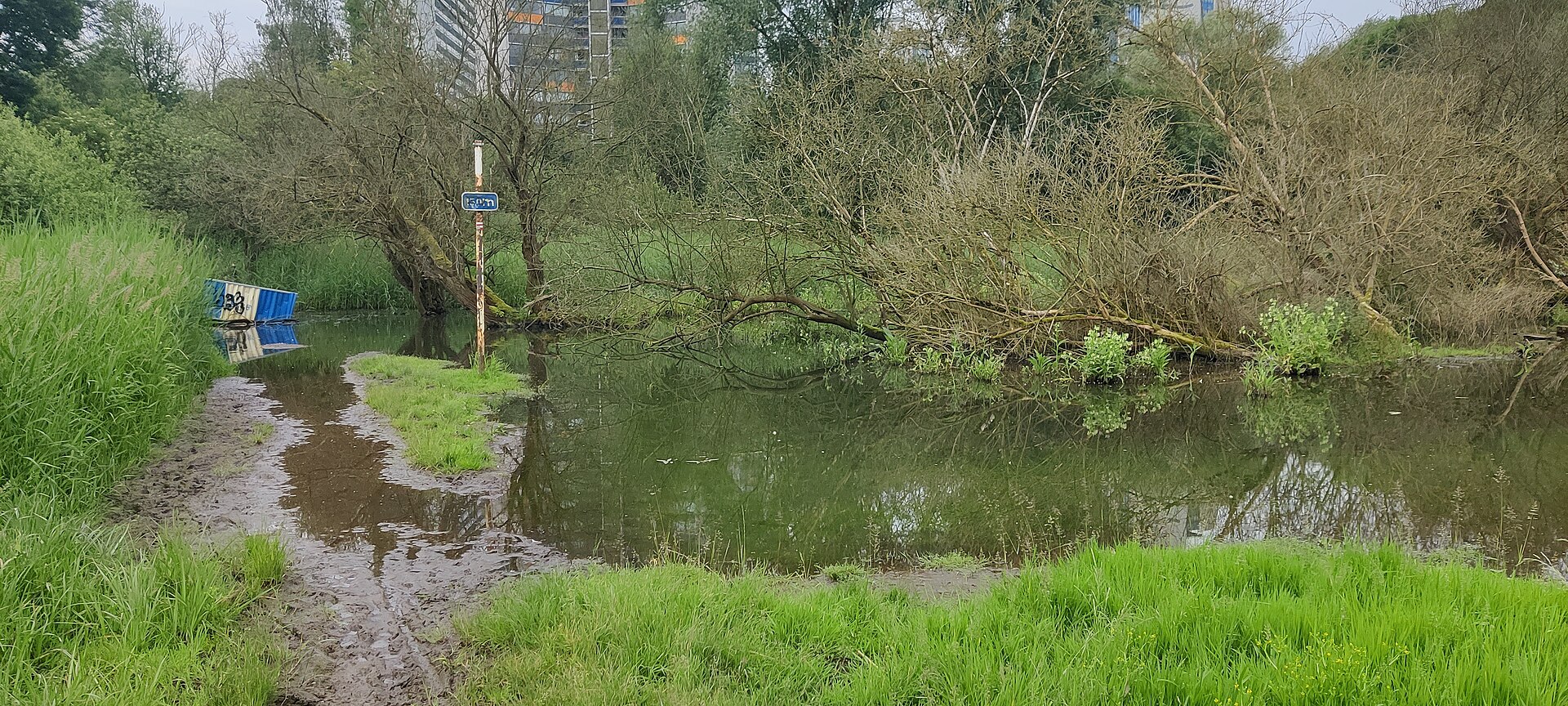
The Swamp of Ganshoren (Moeras van Ganshoren) is one of the last surviving fragments of the wetlands that once lined the Molenbeek valley, located in the Brussels municipality of Ganshoren. The nature reserve covers roughly eleven hectares and is owned by the Brussels-Capital Region.
What does the reserve look like?
The site alternates between moist meadows and patches of scrub and bushes, creating a mosaic of open and semi-wooded habitats within a compact area. This mix supports a wide range of species, from those tied to wet ground to others favouring drier, shrubbier corners. The swamp is what remains of a much larger network of wetlands that once stretched along the Molenbeek valley before urban expansion drained and built over most of the surrounding land.
Which animals live here?
The reserve is best known for its birdlife: more than 65 species have been recorded here, making it one of Brussels' notable birdwatching spots. Beyond birds, the wet meadows and scrub shelter small mammals, including rodents, and bats that hunt over the damp grassland at dusk. Amphibians make use of the reserve's wetter corners, and grass snakes — a harmless species tied to watery habitats — have also been observed, a sign of the ecosystem's good condition.
Why does this site matter for Brussels?
Urban wetlands are among the most vulnerable habitats to disappear, as drainage for housing and roads has erased nearly all traces of the Molenbeek valley's original marshland across the city. The Swamp of Ganshoren survives as a valuable relic of the valley's pre-urban state, giving species that have lost ground elsewhere in Brussels a place to persist.
It's worth noting that Brussels has another well-known wetland with a similar name: Het Moeraske, in the municipality of Evere, often described as the last true swamp within the city limits. Despite the similar naming, the two sites are separate reserves in different parts of the capital.
How do you get to the Swamp of Ganshoren?
The reserve is easy to reach by public transport: bus lines 84 and 87 serve the area, along with tram line 9. The proximity of these stops makes it simple to combine a walk through the wetland with a visit to other parts of Brussels, without needing a car.
Frequently asked questions
Can visitors walk through the reserve on their own, or is a guide required? The site is a publicly accessible nature reserve with walking paths, so no guide is required, though themed events are occasionally organised, including during Brussels' Heritage Days.
What's the best time of year to visit? Given the high number of recorded bird species, spring and early summer tend to offer the richest wildlife observation, though the wet meadows and scrub have their own character throughout the year.
How is the Swamp of Ganshoren different from Het Moeraske in Evere? They are two distinct nature reserves in different Brussels municipalities, sharing only their wetland character and their role as some of the last remnants of the city's historic marshland.
Nearby places

Earn badges for the places you visit
Download NextOnTrip, discover new places and check off your trails.