Save this place and discover nearby attractions with NextOnTrip
In the app you can add it to your favorites, see what else is worth visiting nearby on the map, and earn a badge for your visit.
The app is available for iPhone and Android.
About this place
The Statue of Jan Smuts is a life-size bronze figure on the north side of Parliament Square in London, in the City of Westminster. It honours a South African soldier and statesman who also played a part in British wartime politics, and it is one of the few works here made by a leading modern sculptor rather than a Victorian specialist in public monuments.
Where exactly is it?
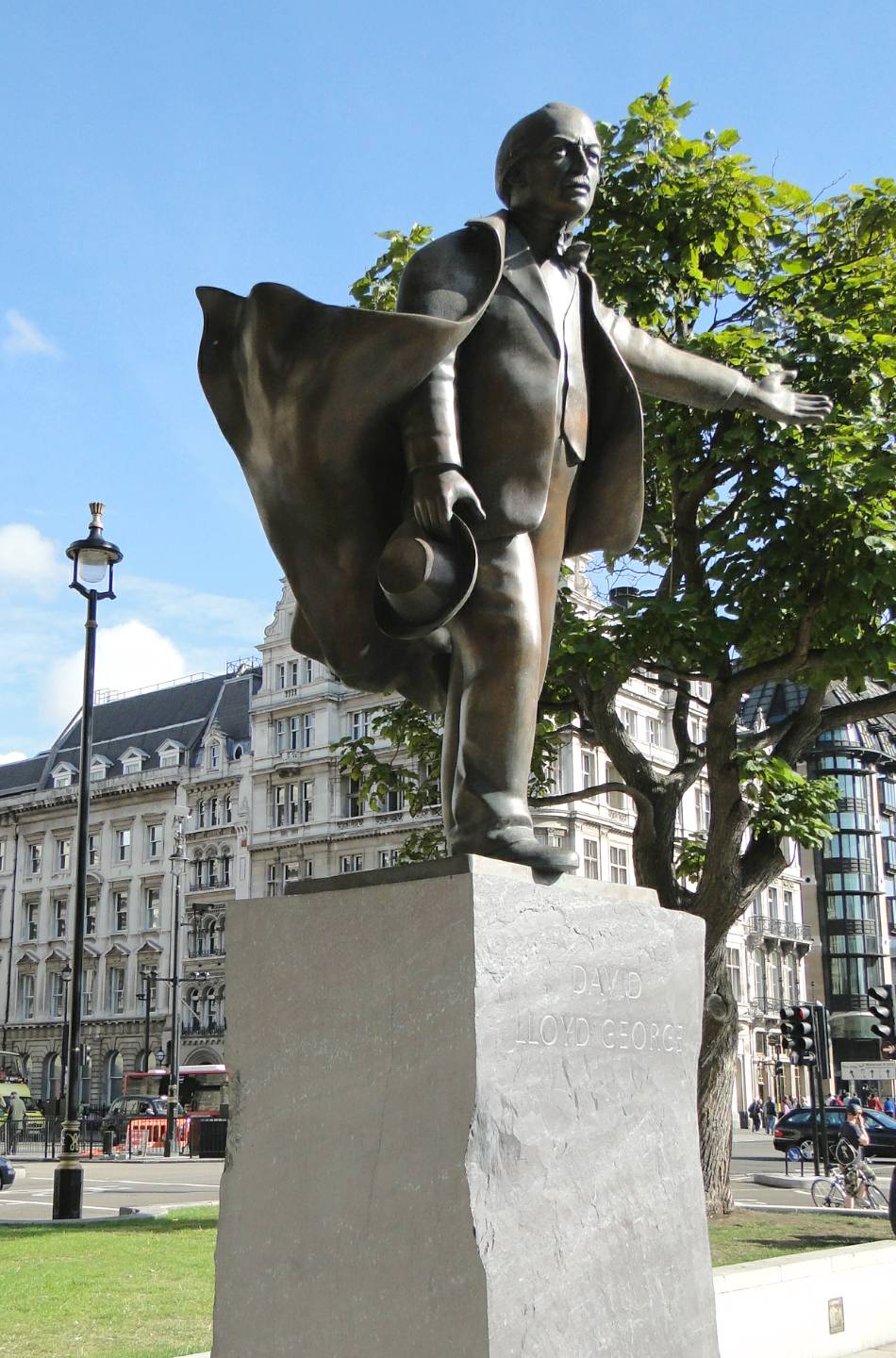
The figure stands on the north side of Parliament Square, between the statue of Lord Palmerston and the statue of David Lloyd George. The square sits directly opposite the Houses of Parliament, so the statue is easy to combine with a walk past Westminster Abbey, Big Ben and the other landmarks of the area. Because the square is a public open space, you can view the monument at any time of day.
Who made it and when?
The sculptor was Jacob Epstein, a British artist known for bold, textured modelling of the human figure. The statue was unveiled on 7 November 1956. Winston Churchill, a long-time friend and admirer of Smuts, had backed the idea of a memorial, but he had retired as prime minister the year before and was too unwell to attend the ceremony. The Speaker of the House of Commons, William Morrison, performed the unveiling instead.
What does it show?
Smuts appears in the uniform of a field marshal, leaning slightly forward in a determined, energetic pose rather than a stiff ceremonial one. The surface is rough and expressive, typical of Epstein's approach, which gives the face and coat a lively, almost sketched quality. The bronze rests on a granite pedestal quarried in South Africa, a detail that ties the monument to the country he led.
Who was Jan Smuts?
Jan Christian Smuts (1870-1950) was a South African statesman and military leader who served as prime minister of his country and held the rank of field marshal in the British Army. He took part in the Imperial War Cabinet during the First World War and was an influential voice in international debates about a new world order after both world wars. His legacy is nonetheless contested: he supported segregationist policies in South Africa, and that part of his record is an important context for anyone looking at the monument today.
Heritage status
The statue was made a Grade II listed structure in 1970, which recognises its architectural and historic interest and protects it from unsuitable alteration.
Visiting tips
- The statue is free to see and is passed by many visitors heading to Parliament and the Abbey.
- Parliament Square is a busy traffic island, so use the marked crossings.
- Look at the pedestal and the textured bronze up close; the contrast between the polished stone and rough metal is easy to miss from a distance.
- Combine it with the other statues in the square, which together form an open-air gallery of political figures from Britain and beyond.
Frequently asked questions
Who sculpted the Jan Smuts statue? Jacob Epstein.
When was it unveiled? On 7 November 1956, by the Speaker of the House of Commons.
Is it protected? Yes, it has been Grade II listed since 1970.
Is there an entrance fee? No, it stands in a public square and can be seen for free.
Nearby places

Earn badges for the places you visit
Download NextOnTrip, discover new places and check off your trails.