Save this place and discover nearby attractions with NextOnTrip
In the app you can add it to your favorites, see what else is worth visiting nearby on the map, and earn a badge for your visit.
The app is available for iPhone and Android.
About this place
St Canna's Church stands in the small village of Llangan in the Vale of Glamorgan, South Wales. It is a quiet rural parish church whose churchyard holds one of the finest medieval crosses in the region, and it is a rewarding stop for anyone exploring the countryside west of Cardiff.
What is St Canna's Church?
It is an Anglican parish church dedicated to St Canna, a saint of the early Welsh church. The village name, Llangan, follows the Welsh custom of naming a settlement after the "llan", the enclosure of a saint. The building dates from the 12th or 13th century, though the church you see today is much altered.
How old is the building, and what has changed?
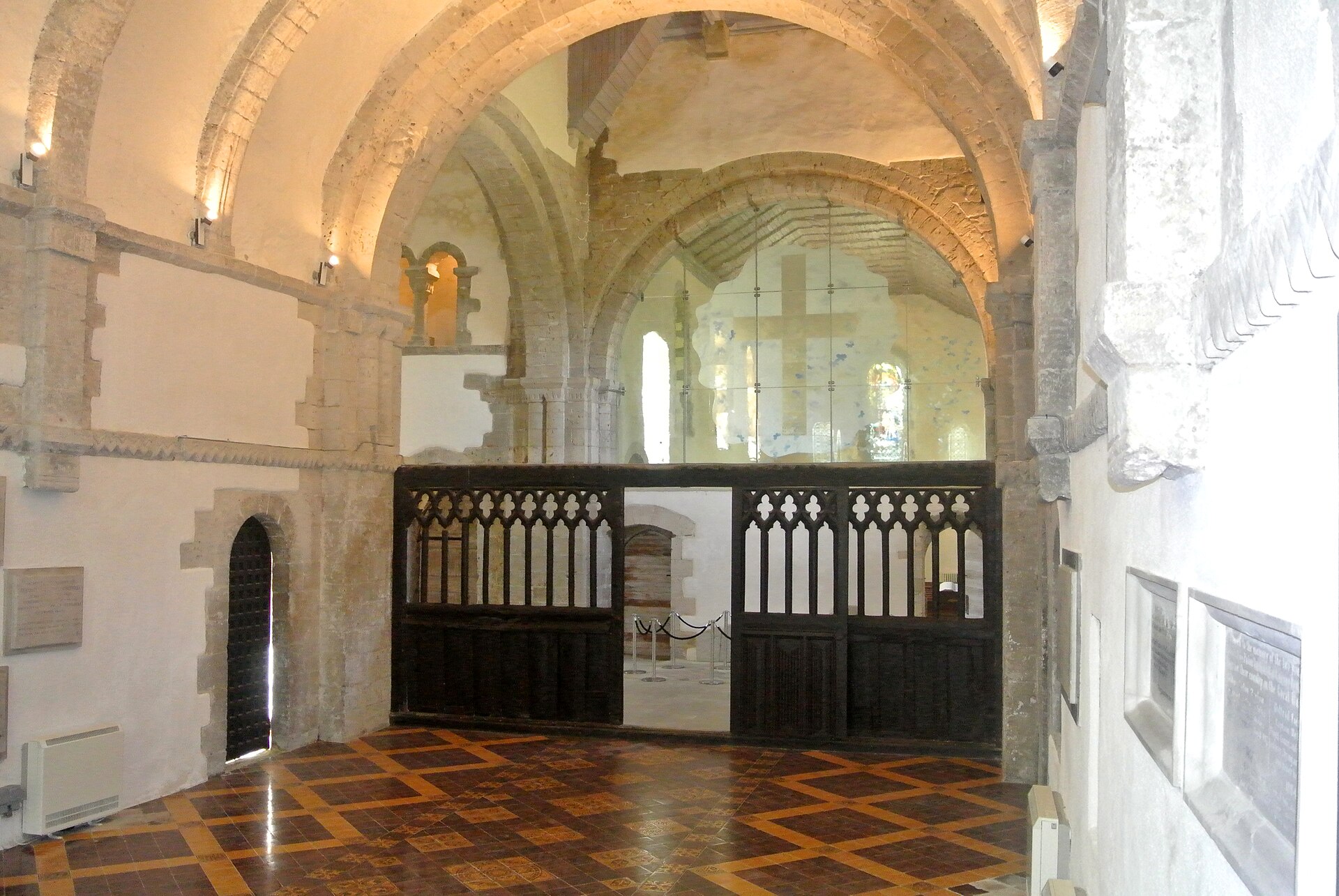
The church has had a difficult history. Records state that it was rebuilt in 1820, yet by 1875 it was described as abandoned and overgrown, and a publication a few years later said it was about to be taken down. It survived, and Victorian builders carried out major work in 1856 and again in 1869. Much of the original character was lost in these campaigns. Later records note that by 1901 the church was regarded as having been almost entirely rebuilt, with fragments of earlier memorials set into its walls. Visitors should expect a Victorian-era interior on a much older site rather than an untouched medieval one.
What is the churchyard cross?
The most important feature is outside. The cross in the churchyard is protected as a Grade I listed monument, the highest category of listing in Wales. Heritage assessments describe it as wholly medieval, dated to the 15th century, and show it as complete, unaltered and never rebuilt. That makes it a rare survivor. Its carved head and shaft reward a close look, especially in low light when the stonework casts shadows.
Is there an earlier cross?
Yes. In 1909 pieces of a pre-Norman cross were found in the garden of the church rectory. It is dated to the ninth century. The fragments were not intact when found and were pieced together. Early medieval carved stones of this kind are valuable evidence of Christian activity in Wales long before the Normans arrived.
Who was Rev. David Jones?
In the late 18th century Llangan became an important religious centre because of its vicar, David Jones, an early supporter of Calvinistic Methodism in Wales. His preaching drew people to the village. A stained glass window behind the altar, dating from 1932, commemorates him.
Practical tips for visitors
- The village is small and rural, so the best way to arrive is by car or on a country walk through the Vale of Glamorgan.
- Allow around 30 to 45 minutes to see the church, the churchyard and the crosses.
- Interior access can depend on local arrangements, so check ahead if you want to go inside.
- Respect the churchyard, which is an active burial ground.
Frequently asked questions
Who was St Canna? She is an early Welsh saint to whom the church is dedicated.
Is the church medieval? The site and parts of its history are medieval, but heavy Victorian rebuilding changed most of the building.
What is the most notable thing to see? The Grade I listed medieval cross in the churchyard.
Is there anything older than the cross? Yes, a ninth-century pre-Norman cross, found in 1909 in the rectory garden.
Who is commemorated inside? The vicar David Jones, remembered in a 1932 stained glass window.
St Canna's Church is a modest place, but its crosses and layered history make it a worthwhile detour for anyone interested in Welsh heritage and early Christianity.
Nearby places

Earn badges for the places you visit
Download NextOnTrip, discover new places and check off your trails.