About this place
Smrek is a mountain peak in the Silesian-Moravian Beskids, rising above the village of Ostravice near the border with neighboring Čeladná. At 1,276 metres above sea level, it is the second-highest summit in the range, surpassed only by Lysá hora. Deep river valleys separate it from the rest of the massif — the Ostravice on the east side and the Čeladenka on the west — which gives its northern slopes a notably steep drop toward the surrounding valleys.
How do you get to Smrek from Ostravice?
The most popular approach follows the red-marked trail straight from the center of Ostravice. The route runs roughly 7.3 km one way, and climbing its 856 metres of elevation gain takes an average hiker about 3 hours. The path starts through a lovely beech-and-fir forest, becoming increasingly spruce-dominated as it nears the top. Along the way, it's worth topping up your water at a spring called Tajemná Řásnovka — the only water source on the route. Shorter approaches also exist, around 4 km and taking just over an hour, but they start from other, more remote trailheads rather than from Ostravice itself.
What should you know before setting out?
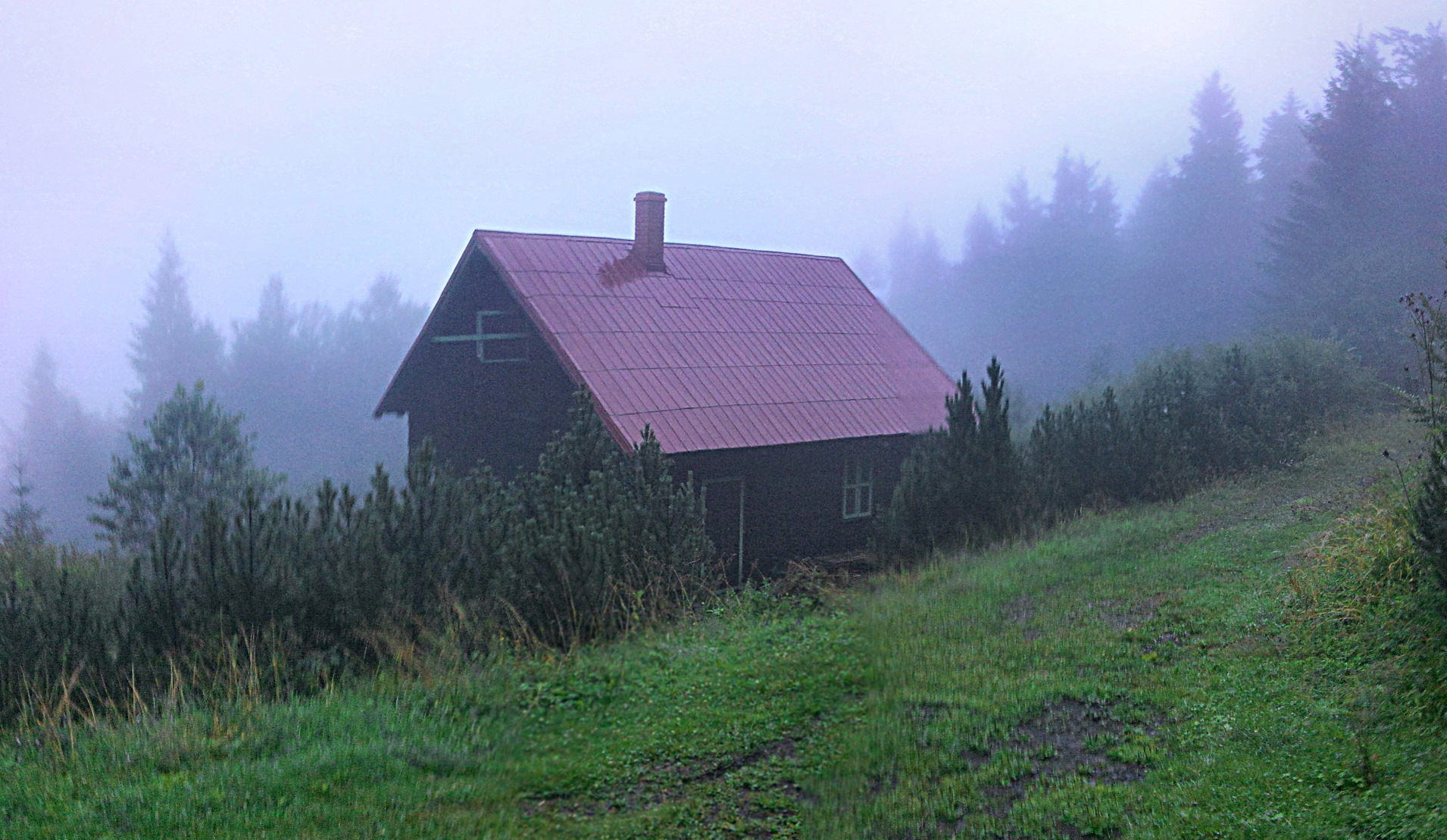
Smrek is considered one of the more demanding and less-visited climbs in the Silesian-Moravian Beskids. There's no mountain hut or refreshment stop at the summit — good news if you're after quiet, but it also means you need to bring your own food and water. The lack of tourist infrastructure keeps visitor numbers noticeably lower than at the region's more popular peaks, which for many hikers is precisely the appeal.
What will you see at the top?
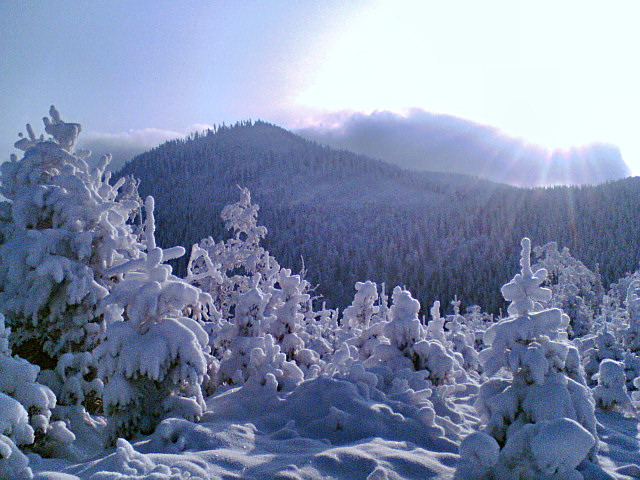
Despite its name — "smrek" means spruce in both Czech and Slovak — the slopes were historically covered mainly by beech and fir forest, with spruce only becoming dominant closer to the summit. The peak itself is forested, so there are no sweeping panoramas here like on neighboring Lysá hora; the draw instead is the wild, largely untouched nature and the quiet. Near the top stand two memorial plaques, one dedicated to John Lennon and the other to Jan Palach, making this an unusual stop on the Beskids' tourist map.
When is the best time to visit Smrek?
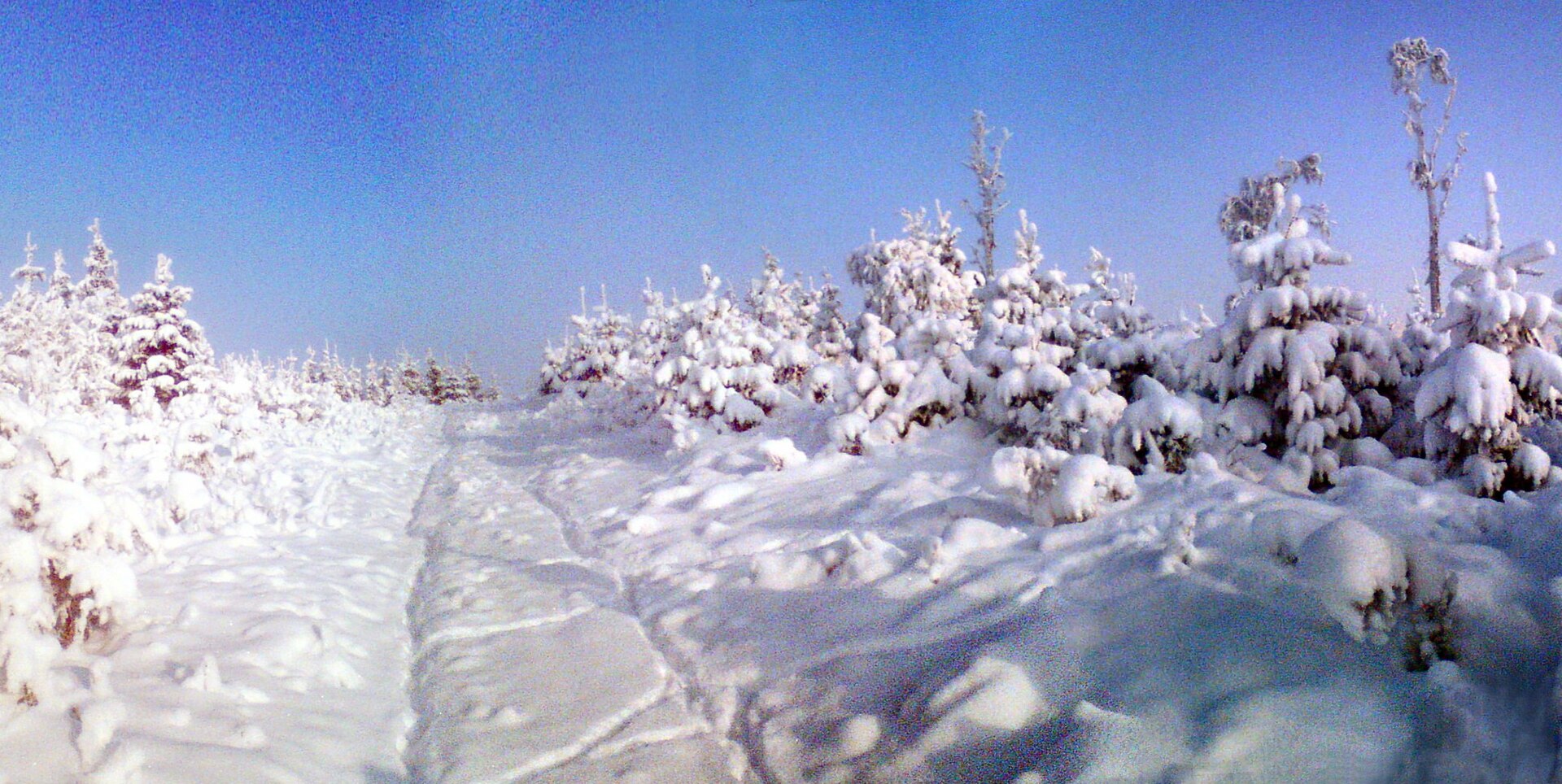
Given the lack of a mountain hut and the longer approach, it's best to plan the hike for a longer day outside the winter season, when the trail can become difficult to manage without proper gear. Setting out early in the morning is wise, leaving plenty of time for an unhurried, several-hour walk through the forest.
Frequently asked questions
How high is Smrek? The peak stands at 1,276 metres above sea level, making it the second-highest summit in the Silesian-Moravian Beskids, right after Lysá hora.
How long does the climb from Ostravice take? Via the red trail from the village center, it's about 7.3 km with 856 metres of elevation gain — plan on roughly 3 hours of walking one way.
Is there anywhere to eat at the summit? No — Smrek has no mountain hut or refreshment stand, so you need to bring your own food and water (though you can refill along the way at the Tajemná Řásnovka spring).
Where does the mountain's name come from? "Smrek" means spruce, though the slopes were historically covered mainly by beech and fir — spruce only takes over closer to the summit.
Nearby places

Earn badges for the places you visit
Download NextOnTrip, discover new places and check off your trails.