About this place
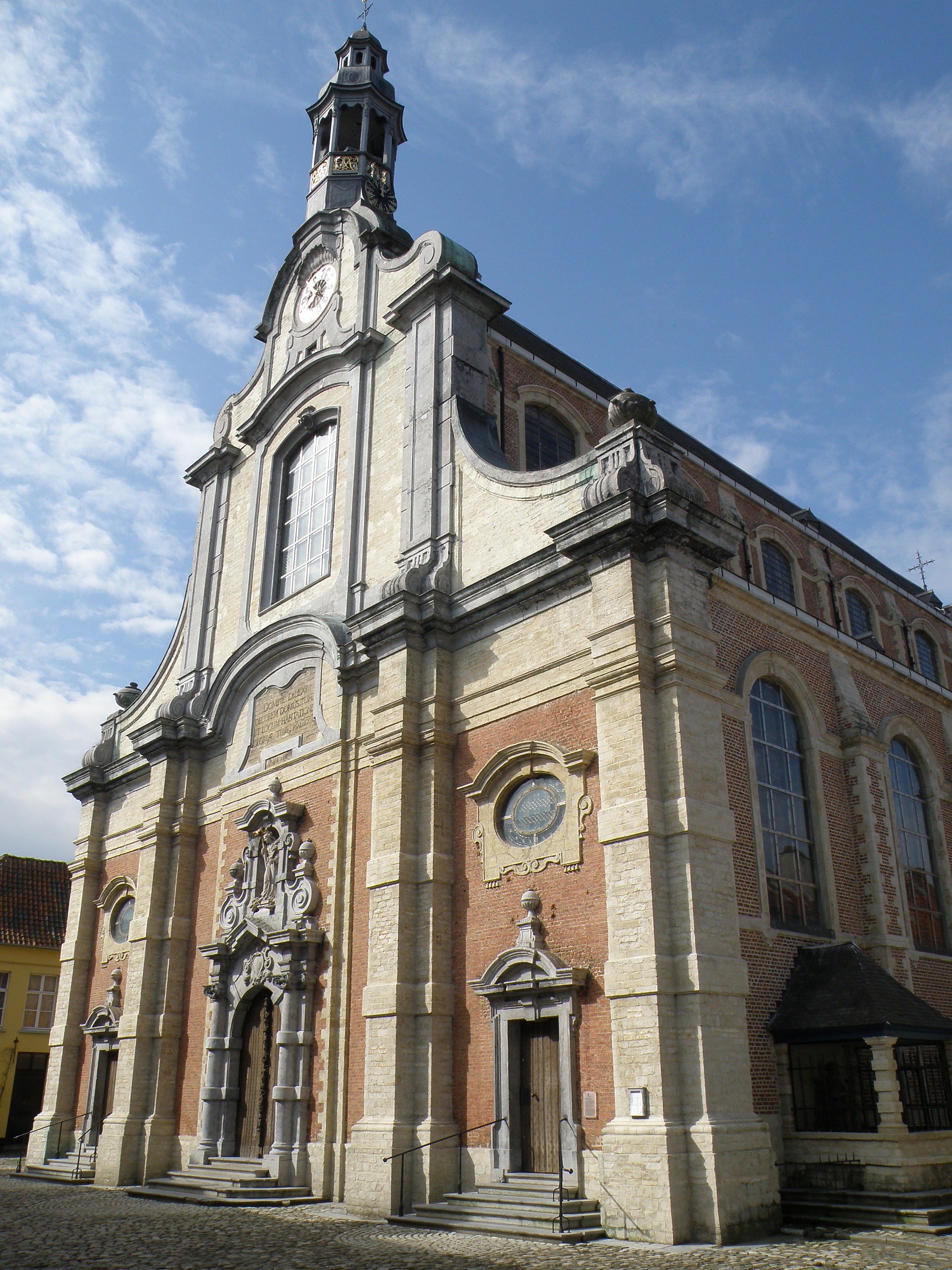
Sint-Margaritakerk, also known as the Begijnhofkerk, is a church standing at the heart of the beguinage in the Belgian town of Lier. The building is inseparably tied to its surroundings — the Lier beguinage is inscribed on the UNESCO World Heritage list, and the church forms its spiritual and architectural centerpiece.
Who is the church dedicated to?
The church carries the dedication of Saint Margaret of Antioch, who was also the patron saint of the entire Lier beguinage. This choice was far from arbitrary — beguinages, communities of lay women leading a devout life without taking formal religious vows, frequently chose patron saints associated with steadfast faith and purity, and the cult of Saint Margaret was widespread across the Low Countries and Flanders.
How long did construction take?
Work on the church began in 1664 and took more than a century to complete. This unusually long timeline stemmed from how the project was financed — the beguines themselves, the women living in the beguinage, funded the construction from their own resources, meaning the pace of building depended on the community's ongoing financial capacity rather than on a single wealthy patron footing the entire bill at once. The first part of the church was already consecrated in 1671, allowing the beguines to use part of the building while the remaining sections were still under construction.
What architectural style does the church represent?
The facade dates from the 17th century and is executed in the Baroque style. In the 18th century it was further enriched with decorative volutes and a lantern crowning the composition, lending the structure a more dynamic, distinctly Baroque rhythm. The interior of the church was likewise designed in the Baroque spirit, marked by the formal richness and spatial grandeur typical of sacred art from that period. The bell tower, however, departs stylistically from the rest of the building — it was shaped in the Rococo idiom, the lighter and more ornamental style that came to dominate European art in the following century. This blending of Baroque and Rococo within a single sacred building illustrates how the long construction process left its mark on the church's aesthetics — different elements were built decades apart, each carrying the artistic fashions of its own time.
What artworks can be seen inside?
Among the most notable furnishings is an altarpiece depicting the apparition of the crucified Christ to Saint Begga. The work was painted by Jan Erasmus Quellinus, a member of a well-known Flemish family of painters active within the Antwerp Baroque circle, heavily influenced by Rubens. The choice of subject — a vision granted to Saint Begga, traditionally regarded as the founding figure of the beguine movement — is not incidental and underscores the close bond between the church and the community it was built to serve.
Frequently asked questions
Can Sint-Margaritakerk be visited as part of the Lier beguinage? The church stands within the UNESCO-listed beguinage and is one of the main points of interest along that visiting route, though access to the interior may depend on opening hours and the schedule of religious services.
Why did construction take so long? Because the beguines themselves covered the building costs from their own means, the pace of work depended on the community's ongoing financial resources rather than on a single act of patronage by a wealthy benefactor.
Which architectural style dominates the church? The facade and interior represent the Baroque style, while the bell tower was shaped later, in the Rococo style.
Nearby places

Earn badges for the places you visit
Download NextOnTrip, discover new places and check off your trails.