About this place
Serranía de Cuenca is a natural park in the province of Cuenca, in the Castilla-La Mancha region of Spain, renowned for one of the most spectacular karst landscapes found anywhere on the Iberian Peninsula. Spanning more than 73,000 hectares of dense pine forest, limestone-dolomite rock and deep gorges, the park is also the source of the Júcar and Cuervo rivers.
How did this landscape form?
The park's distinctive rock formations result from the slow action of water, wind and frost on limestone-dolomite rock that accumulated over tens of millions of years at the bottom of what was once the Tethys Sea. This process, known as karstification, gradually carved towers, columns and ridges into irregular, almost sculptural shapes over millions of years of erosion.
What are the main sights inside the park?
The park's best-known site is Ciudad Encantada (the Enchanted City), designated a Site of National Natural Interest in 1929. Located near the village of Valdecabras and surrounded by thick pine forest, it is here that erosion has shaped the region's most recognizable rock formations, including the Alto Torno, a rock tower that has become a symbol of both Ciudad Encantada and the wider Cuenca region.
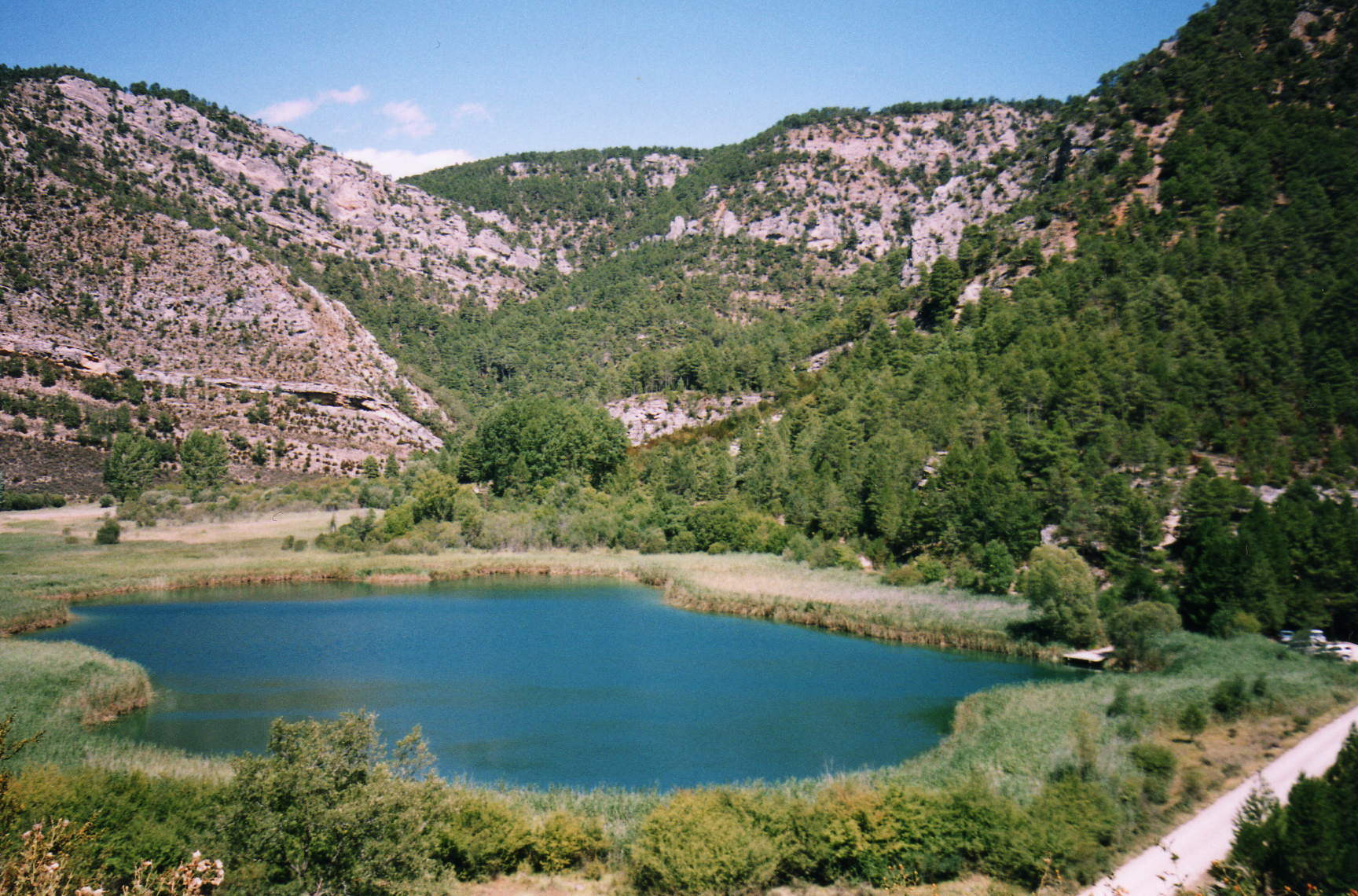
Another popular stop is the Uña Lagoon, a calm lake surrounded by greenery, well suited to an easy, contemplative walk through scenic surroundings. Visitors can also reach the source of the Cuervo River and the Callejones de Las Majadas, where erosion has sculpted rocks into equally whimsical shapes.
What wildlife lives in the park?
Serranía de Cuenca is also home to a rich variety of flora and fauna. Pines, junipers and gall oaks dominate the dense forests covering most of the park's surface. Among the animals found here are deer, mountain goats, and griffon vultures that can often be seen circling above the rocky cliffs — a striking sight for anyone hiking through the higher parts of the park.
Who is this park for?
The park draws hikers, climbers and nature watchers alike. An extensive network of trails makes it possible to explore both the dramatic rock formations and quieter corners among the forests and lakes, making Serranía de Cuenca an appealing destination for both day trips and longer stays in the region.
Frequently asked questions
Is Ciudad Encantada located inside the park? Yes, Ciudad Encantada lies at the heart of the park, within the municipality of Valdecabras, and is one of its most important attractions.
How old are the park's rock formations? The karst landscape's origins date back around 90 million years, to when the area formed the seabed of the ancient Tethys Sea.
Which rivers originate in the park? The park contains the sources of both the Júcar and Cuervo rivers.
What else can visitors do besides viewing the rock formations? Visitors can go hiking and climbing, and observe wildlife such as deer, mountain goats and griffon vultures.
Nearby places

Earn badges for the places you visit
Download NextOnTrip, discover new places and check off your trails.