About this place
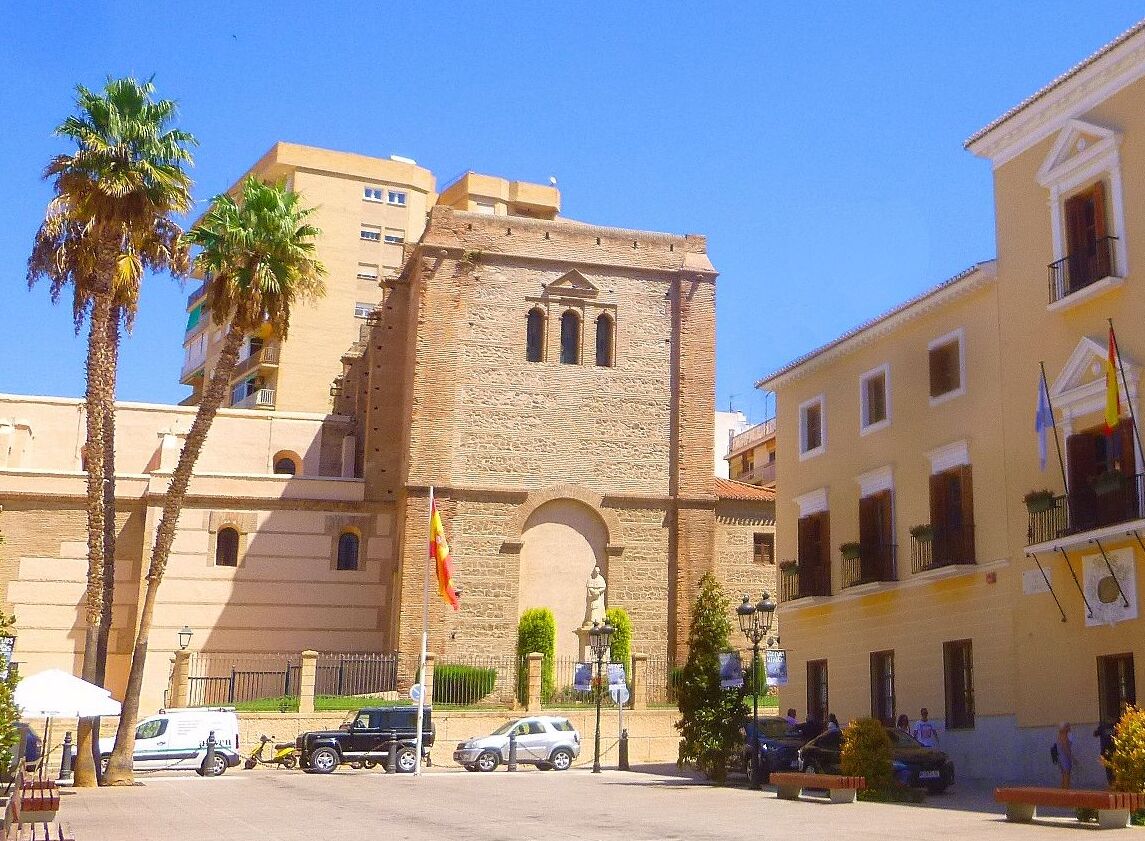
Santuario de Nuestra Señora de la Cabeza is a Marian sanctuary in Motril, in the province of Granada, standing on a hill known as Cerro de la Virgen. It is the shrine of the city's patroness and one of the notable stops for anyone exploring Motril's historic sites, bringing together history, legend, and religious architecture in a single location.
What is the history behind the sanctuary?
The temple stands on the ruins of a Nasrid fortress that once served as the residence of Queen Aixa Alhorra, mother of Boabdil, the last emir of Granada. Construction of the present-day church began in 1631, based on a design by architect Isidro de la Chica, who laid the building out on a Latin-cross plan with a single nave — a common arrangement for Spanish parish churches of that era.
The sanctuary suffered partial destruction during the Spanish Civil War. Its reconstruction took place during the second third of the 20th century, with efforts made to preserve the building's original, older structure. The work was ultimately completed in the 1960s, when a new main altarpiece was added, created by the Motril-born sculptor Manuel González Ligero. The altarpiece brings together elements of local tradition tied to the legend and cult of the Virgen de la Cabeza.
Where does the legend of the Virgen de la Cabeza come from?
According to local tradition, the statue of the Virgin now kept in the sanctuary's chamber arrived in Motril by sea. The people transporting the figure reportedly chose to unload it on the shore out of fear the vessel carrying it might be wrecked. From that point on, the Virgen de la Cabeza has been venerated as the patroness of Motril, and the sanctuary has become the city's central site of Marian devotion.
What can visitors see inside?
Despite the damage suffered during the Civil War and the later rebuilding, the interior retains the character of an older religious structure raised on the foundations of a defensive fortress. The main highlight is the altarpiece from the 1960s, one of the more significant works of religious art in Motril, produced with support from the local artistic and religious community. Because of its hilltop position and a history stretching back to the Nasrid period in Granada, the building also offers views over the surrounding area and stands as a layered record of the region's past — from a Muslim-era fortress, to a Catholic sanctuary, to its reconstruction after 20th-century destruction.
Frequently Asked Questions
Where exactly is the sanctuary located? It stands in Motril, in the province of Granada, on the rise known as Cerro de la Virgen, along Avenida de Nuestra Señora de la Cabeza.
When was the church built? Construction of the current building began in 1631 to a design by Isidro de la Chica, on the ruins of an earlier Nasrid fortress.
Why is the Virgen de la Cabeza the patroness of Motril? Local legend holds that the statue of the Virgin arrived in the city by sea, and its being brought ashore marked the beginning of a devotion that continues today.
Has the sanctuary been damaged in the past? Yes, the building was partially destroyed during the Spanish Civil War, and its reconstruction was completed in the 1960s, when, among other changes, a new main altarpiece was added.
Nearby places

Earn badges for the places you visit
Download NextOnTrip, discover new places and check off your trails.