About this place
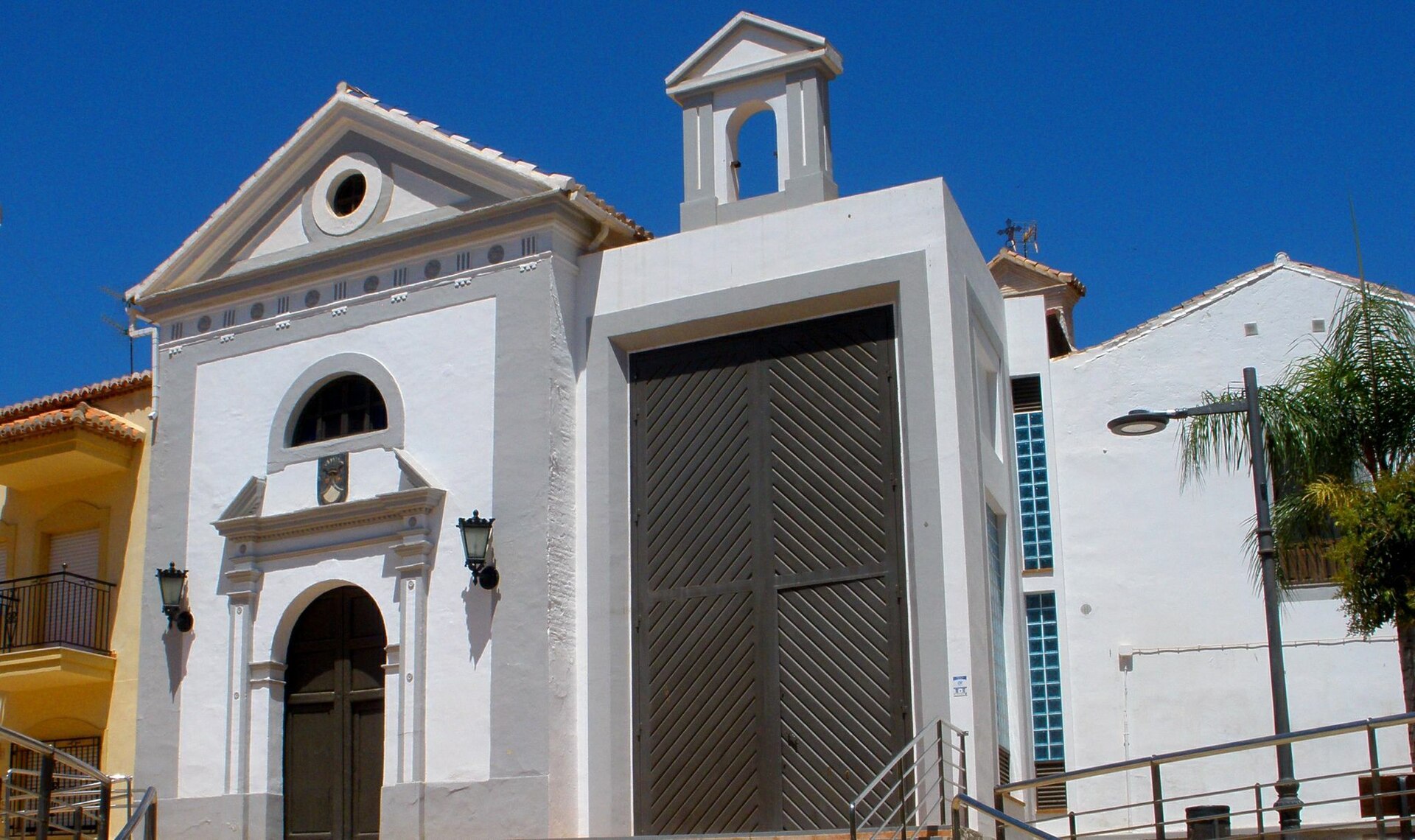
Ermita de San Antonio is a small brick chapel in Lobres, a village belonging to the municipality of Salobreña in the province of Granada, standing on the right bank of the Guadalfeo River. It sits on a tree-lined square at the heart of the village and has served for generations as a local place of worship dedicated to Saint Anthony of Padua.
Who built this chapel and why?
The hermitage was commissioned by the mayor Francisco Martín Morcillo. After his death in 1763 he was buried beneath its floor, and he left the rental income from one of his properties to fund the upkeep of the building and its religious activity. Financing a small rural chapel this way — a local benefactor guaranteeing a lasting income stream in exchange for burial in consecrated ground — was a common arrangement in 18th-century Andalusia.
The chapel's later history was less peaceful. At some point it was stripped of its valuable furnishings, which were transferred to the parish church, including an 18th-century Baroque altarpiece. In April 1844 the remaining contents of the sanctuary were sold at auction. As a result, today's Ermita de San Antonio is considerably plainer than it was when first built.
What does the chapel's architecture look like?
The building has a single-nave, rectangular floor plan built of brick, with two different floor heights — the higher one corresponding to the presbytery, the lower to the nave. A small choir loft sits above the entrance door, and the chapel retains a dome and remnants of a vault. The main façade is topped by an espadaña, the bell-gable typical of Spanish religious architecture, which serves as a modest bell tower in place of a full steeple. Set into the bell opening is a niche holding an image of Saint Anthony, now in poor condition, with a barred window below that lights the choir.
In 1999 the chapel underwent restoration work covering roof repairs and the renewal of two of its façades. That work is what has allowed the building to survive to this day in a condition suitable for visiting, even though it has kept its plain, rural character rather than any of the richer interior decoration lost after the 19th-century sale.
What should you know before visiting?
The Ermita de San Antonio is one of the stops on the Ruta Arqueológica, a route connecting Salobreña with Lobres that is popular with walkers and hikers exploring the Guadalfeo valley. The chapel stands right at the center of Lobres, on its tree-lined square, making it a natural resting point along the way.
Every year, in the first half of June, Lobres holds a festival in honor of Saint Anthony of Padua, the chapel's patron saint. That is the best time to see the building fulfilling its original role as a living place of worship and a focal point for the local community.
Frequently Asked Questions
Where exactly is the Ermita de San Antonio located? In Lobres, a village within the municipality of Salobreña (Granada), on the right bank of the Guadalfeo River, in the center of the settlement.
Who paid for the chapel's construction? Mayor Francisco Martín Morcillo, who was buried beneath its floor after his death in 1763 and left the income from a property he owned to fund its upkeep.
Has the chapel kept its original furnishings? Not entirely — its valuable items, including a Baroque altarpiece, were moved to the parish church, and the remaining contents were sold at auction in 1844.
Can the chapel be visited as part of a walking route? Yes, the Ermita de San Antonio is one of the stops on the Ruta Arqueológica linking Salobreña and Lobres.
Nearby places

Earn badges for the places you visit
Download NextOnTrip, discover new places and check off your trails.