About this place
Santuario de Nuestra Señora de Contrueces is a Catholic church in the Contrueces district, in the southern part of Gijón, in the Asturias region of northern Spain. For centuries it has stood as one of the region's significant places of worship, and generations of local residents regarded the Virgin venerated inside as a spiritual patron of the city.
How old is the sanctuary?
The earliest documented reference to a church on this site dates back to the early 10th century, recorded in the so-called Book of Testaments, with a specific document confirming its existence dated 28 August 905. That makes the site of worship in Contrueces more than a thousand years old, with an uninterrupted tradition of religious use.
The building visible today, however, is not the original one. Its current form dates from a reconstruction carried out between 1638 and 1660, when the earlier structure was replaced with a new stone church suited to the growing local congregation and to the Baroque architectural tastes of the period.
What does the building look like inside and out?
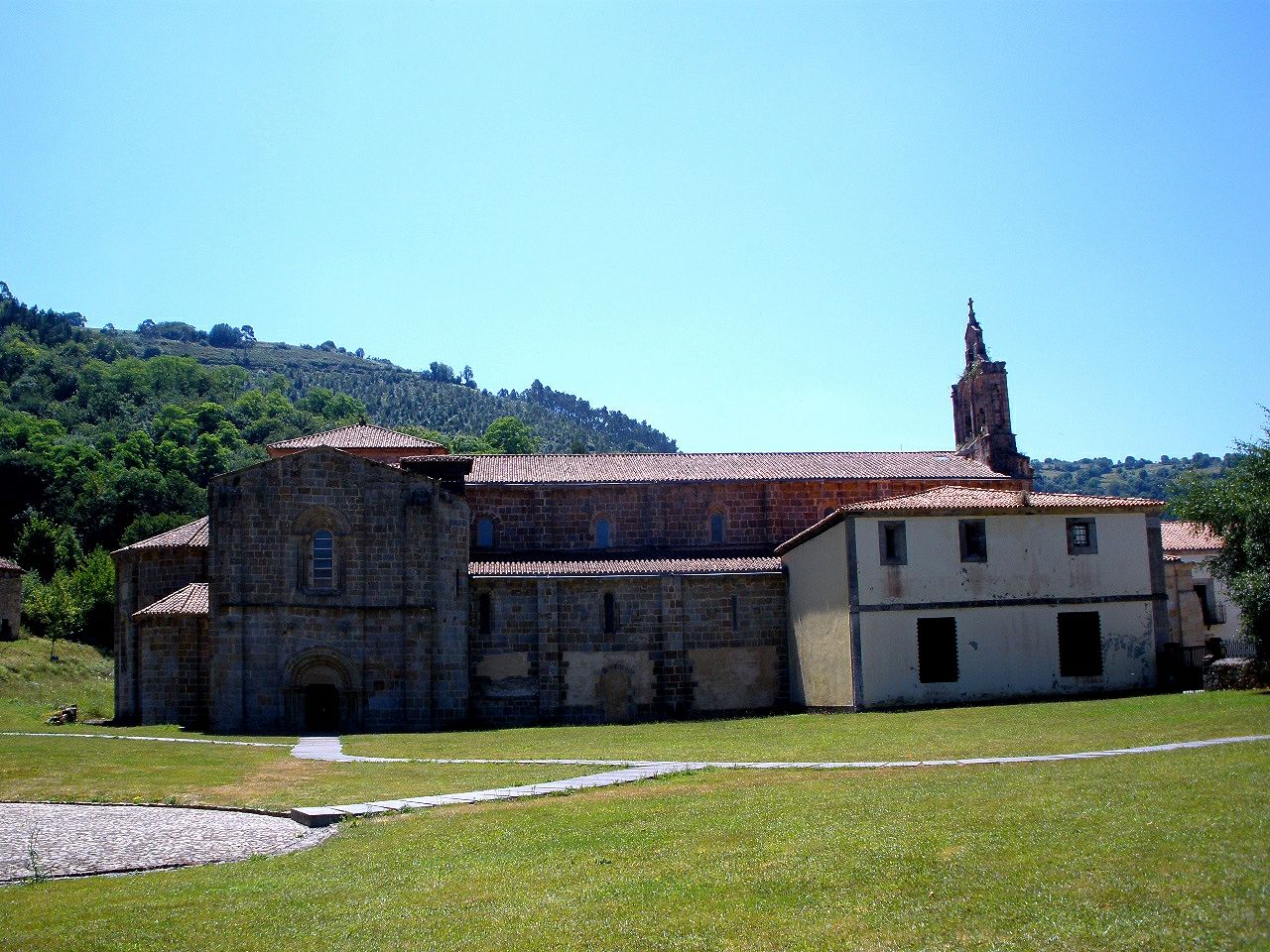
The sanctuary follows a Latin cross floor plan, with a single nave crowned by a prominent dome that dominates the building's silhouette. The whole complex is enclosed by thick, fortress-like walls, giving it a defensive, almost castle-like appearance — a trait shared by several rural sanctuaries of the period in Asturias, where churches sometimes doubled as places of refuge.
Inside, the highlight is a Baroque altarpiece (retable) carved by the Asturian sculptor Luis Fernández de la Vega. It is one of the most valuable elements of the church's decoration and a notable example of regional Baroque woodcarving craftsmanship.
Why does this place matter to Gijón?
Devotion to the Virgin of Contrueces runs deep in local identity. For generations, many residents of Gijón regarded the image venerated in the sanctuary as their city's spiritual patron, and the site became a destination for pilgrimages and religious celebrations held throughout the year. This role as a center of popular devotion — rather than simply an architectural landmark — sets the Santuario de Nuestra Señora de Contrueces apart from many other churches in the region.
Today the sanctuary still stands in the Contrueces district in southern Gijón, remaining an active parish place of worship while preserving its historic, fortified 17th-century appearance.
Frequently Asked Questions
When was the Santuario de Nuestra Señora de Contrueces built? The first records of a church on this site date to 905, but the current building results from a reconstruction carried out between 1638 and 1660.
What is the most valuable feature inside the church? The Baroque main altarpiece, carved by sculptor Luis Fernández de la Vega, is considered the most important element of the sanctuary's interior decoration.
Why does the church have fortress-like walls? The sanctuary is surrounded by thick defensive walls, a feature typical of rural churches from that period in Asturias.
What does this site mean to the people of Gijón? For centuries, many residents of Gijón have regarded the Virgin venerated here as the city's spiritual patron, and the sanctuary continues to be a site of pilgrimage and local religious celebration.
Nearby places

Earn badges for the places you visit
Download NextOnTrip, discover new places and check off your trails.