About this place
The Santuario de la Virgen de la Cueva is a Marian shrine in Piloña, central Asturias, standing in the parish of Ques, about two kilometres from the town of Infiesto.
What makes this sanctuary unusual?
Rather than being built purely by human hands, the shrine takes shape around a natural cave cut into a heavily stratified rock face. That hollow shelters the image of the Virgin, and chapels were added around it over time. The result is an interior where raw rock and built sacred architecture meet directly — an unusual combination for a shrine in Asturias.
How old is the site, and what's the legend behind it?
The earliest written record of devotion here dates to the 16th century, though local legend pushes the origins back much further, to the 10th or 11th century, during the early Reconquista. According to the story, the lord of the nearby Torre de Lodeña had a dream in which the Virgin Mary asked him to honour her at this spot. When he went to the cave, he reportedly found an old hermit already venerating an image of the Virgin there — and that, tradition says, is how devotion at the site began.
The statue seen today is a polychrome cedar-wood carving from the 18th century, standing about 45 centimetres tall and wrapped in an old embroidered cloak.
Has anyone notable visited?
The sanctuary has a footnote in Spanish royal history: on 27 August 1858, Queen Isabel II visited along with the Prince of Asturias, accompanied by Saint Anthony Mary Claret. They were travelling toward Covadonga, one of Spain's most important Marian pilgrimage sites, and stopped here along the way.
What happens at the sanctuary today?
The main celebration falls on 8 September, honouring the Virgin of the Cave. Pilgrims converge on the site from across the municipality of Piloña to attend Mass. Over the years the day has grown well beyond the liturgy itself: it now includes a kayak descent down the Piloña River, tastings of bollos preñaos (local filled sweet buns), and Asturian cider — enough that locals sometimes call it a traditional Asturian meadow festival.
A separate occasion for a visit is the Hazelnut Festival, held on the first Saturday of October, another sign of how tightly the sanctuary is woven into the local agricultural and festive calendar.
Frequently Asked Questions
Where exactly is the sanctuary located? In the parish of Ques, municipality of Piloña, about two kilometres from the town of Infiesto, in central Asturias.
Why is the building considered architecturally unusual? Because it uses a natural cave under a rock face as shelter for the image of the Virgin; the chapels were only added later, so the rock itself remains part of the interior.
Where does devotion to the Virgin of the Cave come from? The first documented mention dates to the 16th century, but a local legend involving the lord of Torre de Lodeña and a hermit traces it back to the Reconquista period, in the 10th or 11th century.
When is the main festival held? On 8 September, the feast of the Virgin of the Cave, marked by Mass, a pilgrimage, a kayak descent on the Piloña River, and tastings of local food and cider.
Nearby places
-

church of Santa María Magdalena de los Pandos
Villaviciosa
-
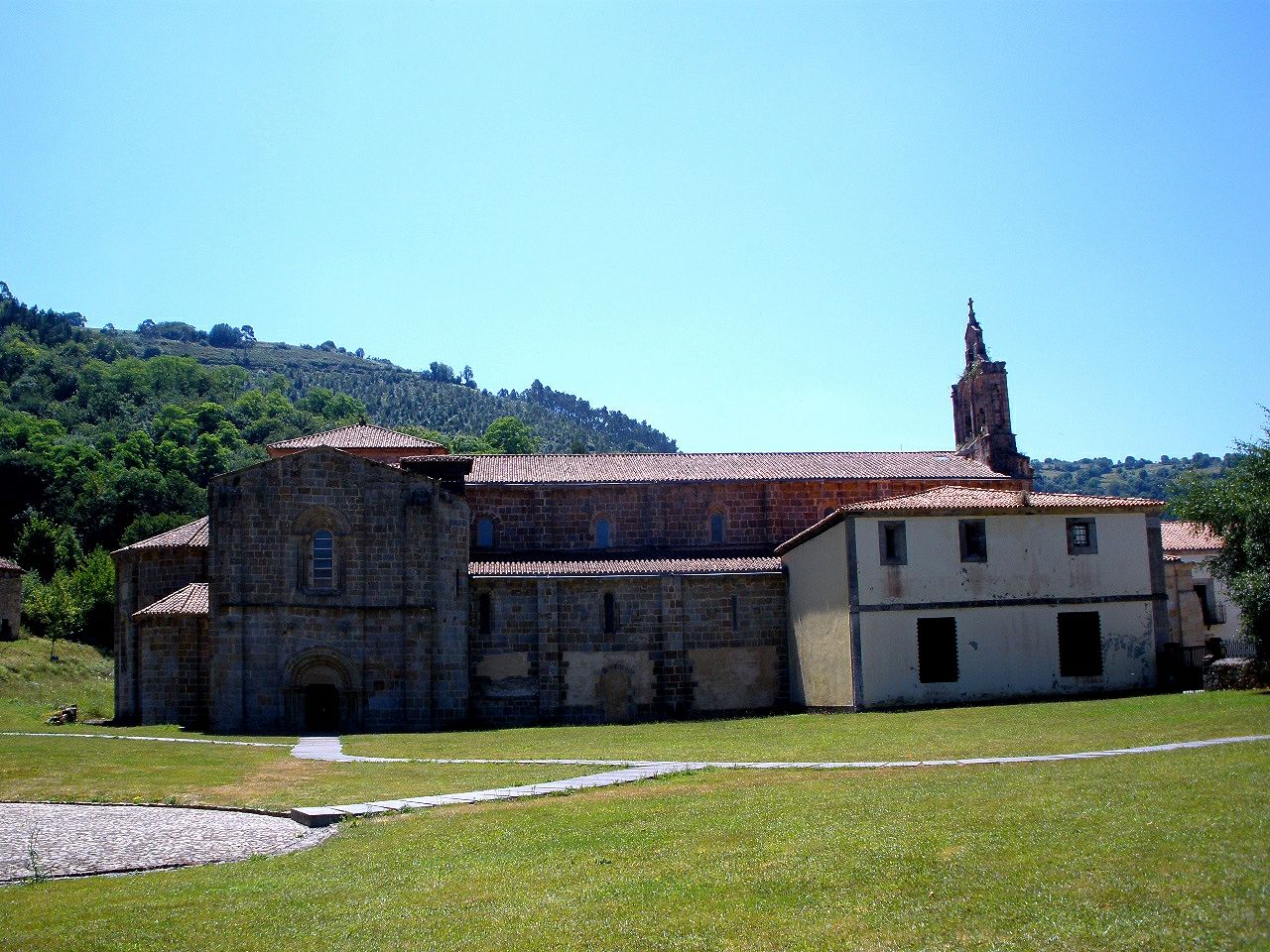
Monasterio de Santa María de Valdediós
Villaviciosa
-
church of Santa María de la Oliva (Villaviciosa)
Villaviciosa
-
Church of Santiago de Gobiendes
Colunga
-
Santuario de la Virgen del Otero
Laviana
-
Basilica of Our Lady of Covadonga
Cangas de Onís
Earn badges for the places you visit
Download NextOnTrip, discover new places and check off your trails.