About this place
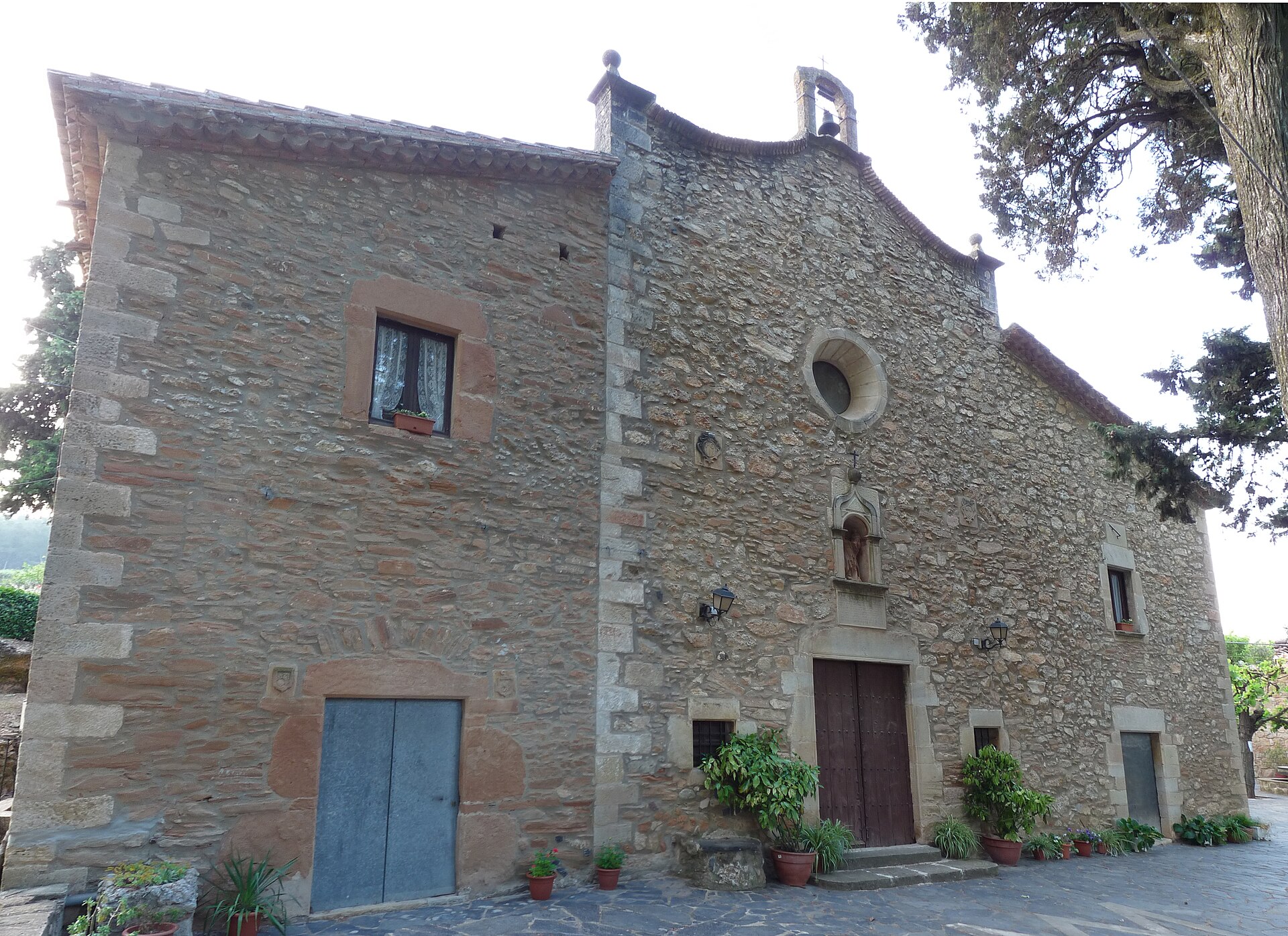
Sant Miquel de la Tosca is a small hermitage chapel in the municipality of el Vilosell, in the Garrigues region of Catalonia. It stands at a spot known as Les Fontetes, in the southern part of the municipality near the boundary with La Pobla de Cèrvoles, at the foot of the Serra de la Llena mountain range — roughly 4 km from the village center of el Vilosell. The building is listed as a Catalan asset of local cultural interest (BCIL).
How do you get to Sant Miquel de la Tosca?
The hermitage sits in a fairly remote spot a few kilometers south of el Vilosell village, toward the border with La Pobla de Cèrvoles. The easiest way in is by car along local rural roads heading toward the Serra de la Llena, covering the last stretch on foot or by bike — this is typical Garrigues countryside, so it's worth planning the route in advance and filling up the tank, since there are no petrol stations nearby. The site's coordinates are 41.36146, 0.94953, which makes GPS navigation straightforward.
What will you see there?
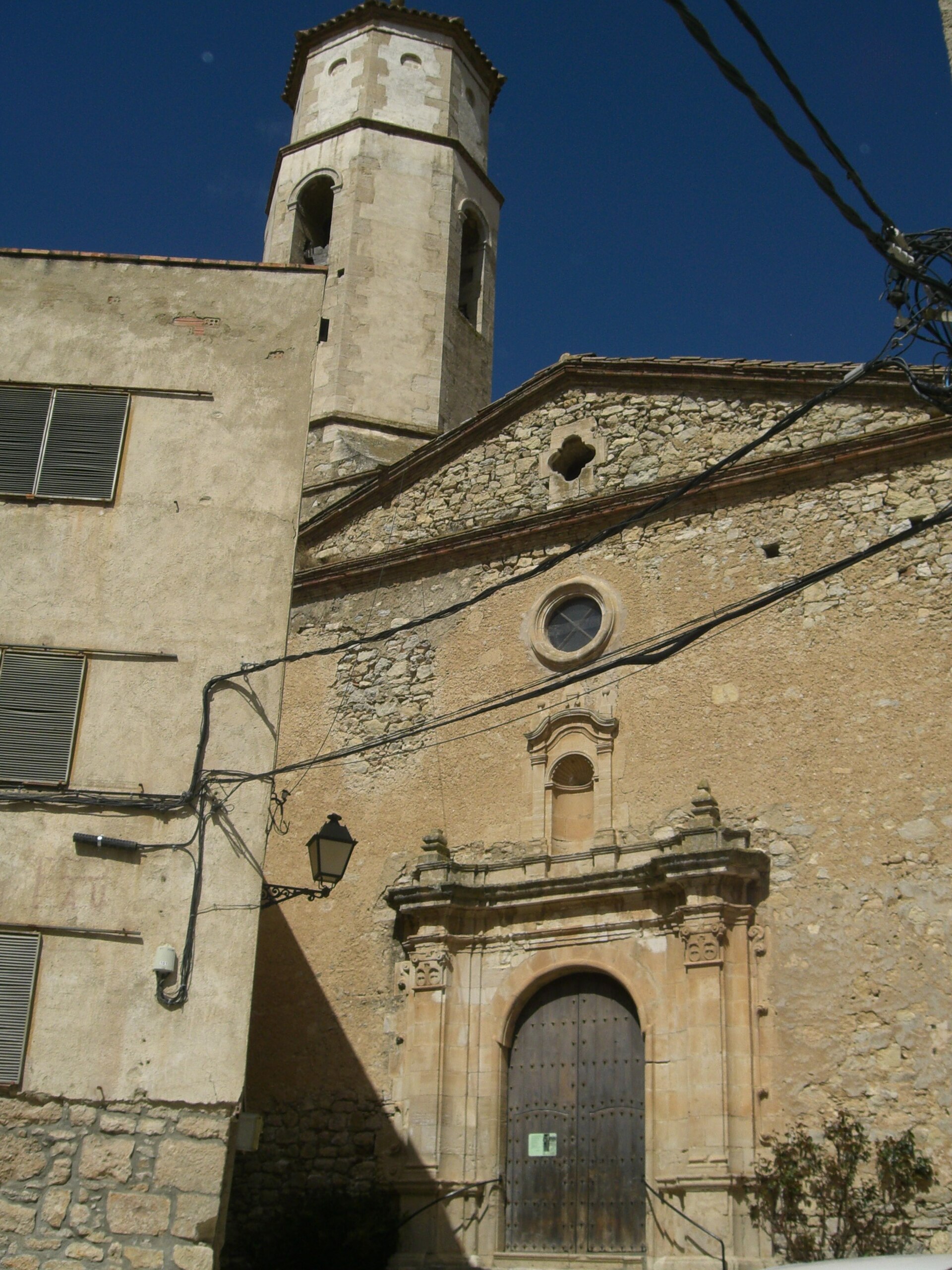
The building has a simple, single-nave, rectangular layout, though it has been modified several times over the centuries. The exterior walls are rendered, and the two-sloped roof is covered with the ceramic Arab-style tiles typical of the region. A small bell tower rises against one side of the building. The façade is plain, its main feature being a round-arched doorway built with cut stone voussoirs; a carved shield on the keystone bears the date 1730, marking when the current structure was raised. The bell tower itself carries a separate inscription with the date 1871, referring to a later restoration.
While today the site is known chiefly for this modest chapel, the surrounding area also carries archaeological significance: excavations identified a Leptolithic-period site here, dated to roughly 33,000–5,500 years before present, linked to flint knapping and tool production. That points to human use of the location long before the Christian chapel was ever built.
What's the history behind it?
The earliest documented references to a hermitage on this site go back to 1482, although the current building — judging from the date carved above its entrance — dates from the 18th century. For generations the chapel served the local community as a place of worship dedicated to Saint Michael the Archangel, and in 1871 it underwent a significant restoration, commemorated by the inscription on the bell tower.
When is the best time to visit?
Sant Miquel de la Tosca is more than a historic building — it's also a traditional gathering point for the surrounding villages. Local "aplecs" (community festivals and get-togethers) are held here, customarily tied to the feast of the patron saint, Saint Michael, on September 29. Timing a visit around one of these gatherings is a good way to see the place come alive with local visitors rather than as an empty monument. Outside of festival dates, the hermitage is a quiet, isolated stop well suited to a walking or cycling trip, best enjoyed in spring or autumn, when temperatures in the Garrigues countryside are milder than the height of summer.
Frequently asked questions
What is Sant Miquel de la Tosca? It's a small hermitage chapel in the municipality of el Vilosell, listed as a Catalan asset of local cultural interest, with surviving 18th-century features.
How far is it from el Vilosell village? The site lies about 4 km from the village, at a place called Les Fontetes, at the foot of the Serra de la Llena range, close to the border with the municipality of La Pobla de Cèrvoles.
Are there any traces of earlier settlement nearby? Yes — an archaeological site from the Leptolithic period, linked to flint production, has been identified in the area, predating the chapel by thousands of years.
Does anything happen there besides sightseeing? Yes, the hermitage is known for hosting traditional "aplecs" — local festivals and community gatherings, usually connected to the feast day of its patron saint.
Nearby places

Earn badges for the places you visit
Download NextOnTrip, discover new places and check off your trails.