About this place
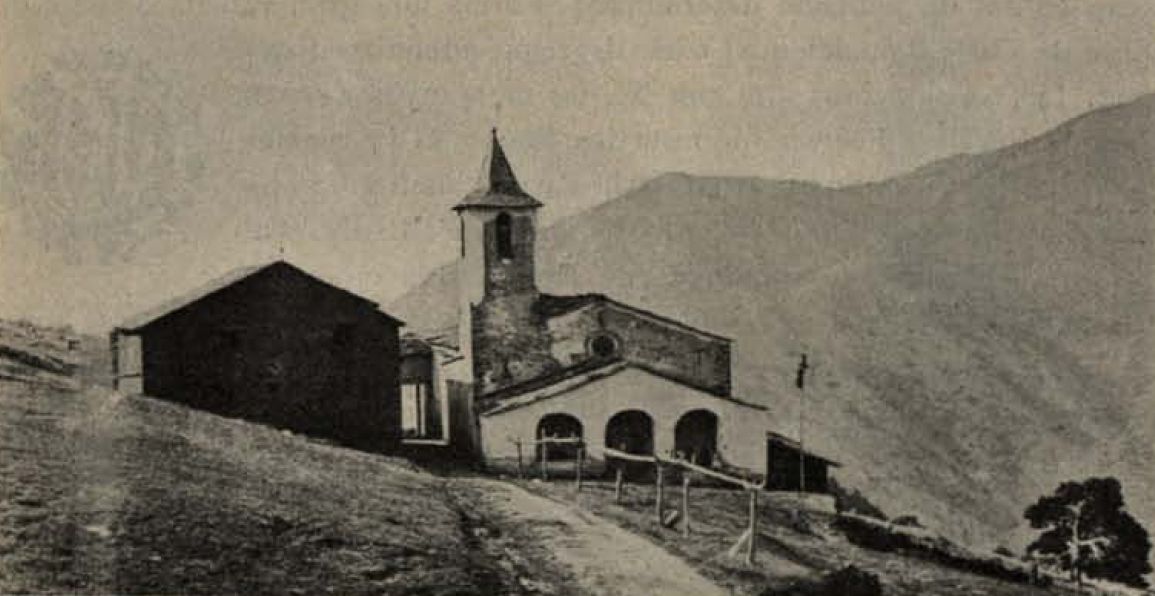
Sant Martí de Mallolís is a small Romanesque church standing in the now-abandoned hamlet of Mallolís, part of the municipality of Farrera in the Pallars Sobirà region of Catalonia, Spain. It's not a grand monument — its appeal comes from the raw mountain setting, a stone building that seems to grow straight out of the Vall Ferrera landscape, a valley well known among hikers.
How do you get to Sant Martí de Mallolís?
Mallolís sits within the municipality of Farrera, deep in Pallars Sobirà — one of Catalonia's most mountainous and least populated districts. The hamlet has been deserted for a long time, so access is mainly via local access roads and walking paths through the Vall Ferrera valley. This is classic Pyrenean foothill terrain: narrow roads, steep approaches, and views that make the effort worthwhile on their own. Check current road and trail conditions with the Farrera municipal office before setting out, since weather and access in the upper valley shift with the seasons.
What will you see there?
The church is small, with a simple single-nave layout and a roughly rectangular apse — a form typical of rural Romanesque churches scattered across the Pyrenees. At the foot of the nave rises an espadaña-style bell-cote: a two-arched structure with round-arch openings, square at the base and turning octagonal higher up, capped with a semicircular window and a slate finial. The walls are built from local slate, roughly shaped and irregular, and that same raw stone texture is really the building's signature. Inside, the nave floor is also finished in slate slabs, tying the whole structure together in one material.
What's the history behind it?
The church's shape and construction technique point to a Romanesque origin, and the surrounding area was most likely first settled between the 11th and 13th centuries — probably around when the original building went up. An inscription on the façade records the year 1841, marking a later renovation or rebuild. Today the church stands as one of the clearest surviving traces of Mallolís itself, a settlement that — like many others tucked into this stretch of the Pyrenees — was eventually abandoned by its residents.
When is the best time to visit?
The church's patron is Saint Martin of Tours, whose feast day falls on November 11, traditionally the reference point for the local festive calendar. For visitors, the most practical window runs from late spring through early autumn, when the trails through Vall Ferrera are easiest to walk and conditions higher up the valley are more stable.
Frequently asked questions
Does anyone still live in Mallolís? No — Mallolís is a deserted hamlet, one of several in this part of Pallars Sobirà. The church of Sant Martí remains the most recognizable trace of what used to be there.
Who is the church dedicated to, and when is its feast day? The patron is Saint Martin of Tours, commemorated on November 11.
How old is the church? Its layout and building technique point to a Romanesque origin, tied to the settlement of the area between the 11th and 13th centuries. A surviving inscription on the façade records a renovation in 1841.
Can you go inside the church? Access to the interior can be limited, as with many rural chapels in this region — it's worth checking locally, for instance with the Farrera municipal office, before planning a visit.
Nearby places

Earn badges for the places you visit
Download NextOnTrip, discover new places and check off your trails.