About this place
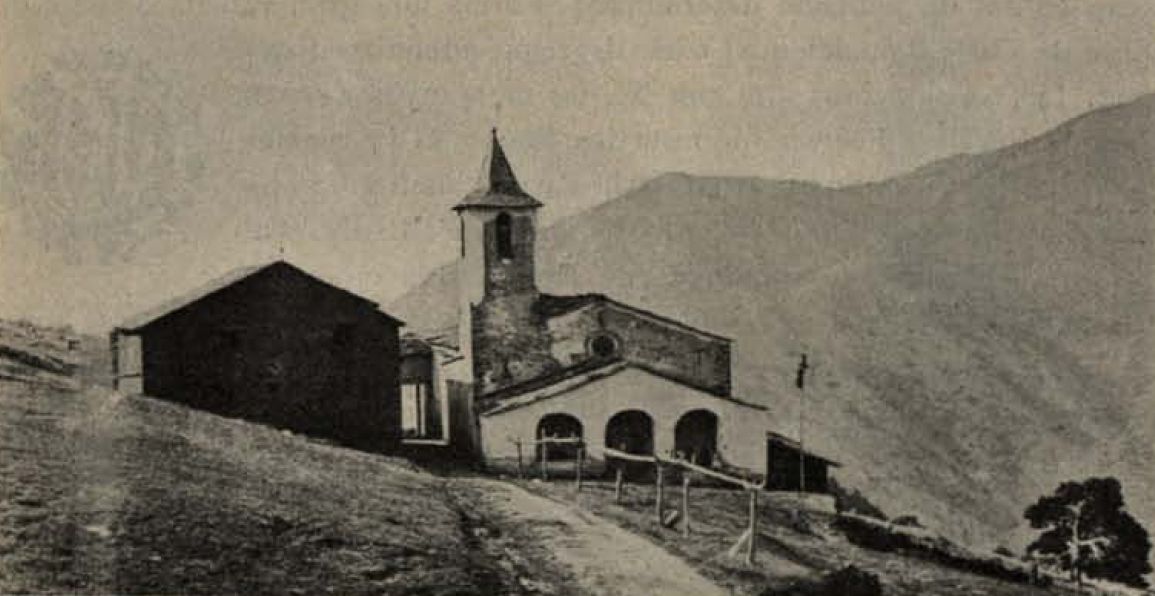
Sant Francesc de Burg is a small mountain chapel in the village of Burg, part of the municipality of Farrera, in the Pallars Sobirà region of the Catalan Pyrenees. Its walls have stood for close to a thousand years, even though the building itself has long fallen out of use.
How do you get to Sant Francesc de Burg?
The chapel sits just east of Burg, along the path leading toward Bordes de Burg, a cluster of old shepherd shelters scattered across the valley slopes. Reaching it means first driving to Farrera, one of the smallest and most remote municipalities in Pallars Sobirà, and then on to Burg itself. From the village centre, a walking trail covers the final stretch — there is no direct road access to the chapel, so be prepared to finish the trip on foot. The path is not technically demanding, but sturdy footwear is recommended given the uneven mountain terrain.
Pallars Sobirà lies in Lleida province, close to the borders with Andorra and France, so a visit to Farrera usually forms part of a longer trip through the surrounding Pyrenean valleys, with Vall Ferrera and Cardós both nearby.
What will you see there?
The original building is linked to an 11th-century territorial reorganisation of the area, though little of that early phase survives beyond the perimeter walls. An inscription on the east facade, dated 1727, records a major rebuilding of the chapel during the 18th century — the phase that shaped much of what still stands today. The bell tower carries a separate inscription from 1923, indicating the chapel was still in religious use in the early 20th century.
Its fortunes turned in the following decades. The building suffered significant damage during the Spanish Civil War, and in the 1980s the barrel-vaulted roof of the original apse collapsed. What remains today is essentially a ruin: the walls are still standing, but the structure needs substantial restoration and serves no active function. There are no exhibits, information panels, or organised visits — this is a spot for travellers interested in the raw, unrestored traces of Pyrenean village history rather than a polished monument.
When should you visit?
Since the chapel sits on an open mountain trail, the best time to visit runs from late spring through early autumn, when the paths are dry and easy to follow. Winter can bring heavy snow to the region, making the walk from Burg to the chapel difficult or even risky without proper preparation. Checking the weather forecast before setting out is worthwhile, as conditions in the high valleys of Pallars Sobirà can shift quickly.
Frequently asked questions
Can you go inside Sant Francesc de Burg? No. The chapel is disused and partly ruined, so visits are limited to viewing it from the outside — the standing walls and the historic inscriptions on the facade and bell tower are the main draw.
Does anything remain from the original medieval structure? Partly. The perimeter walls date back to the earlier building phase, though the chapel's current appearance mostly reflects the 1727 rebuild.
Why is the chapel in ruins? It suffered damage during the Spanish Civil War, and the apse's barrel-vaulted roof collapsed in the 1980s. No full restoration has taken place since.
How do you get to Burg? You need to reach the municipality of Farrera in the Pallars Sobirà region (Lleida province), then continue to the village of Burg, from where a short walking path leads to the chapel toward Bordes de Burg.
Nearby places

Earn badges for the places you visit
Download NextOnTrip, discover new places and check off your trails.