About this place
Sant Gaietà d'Aitona is a small but architecturally striking church at the heart of Aitona, a village in the Segrià comarca, in the province of Lleida. Listed in Catalonia's inventory of architectural heritage, the building blends two very distant eras in a single structure — a contrast that makes it worth a short stop while touring the region.
How to get there?
Aitona sits in the western part of Segrià, a short drive from Lleida city, surrounded by peach and almond orchards that turn the landscape into a pink-and-white carpet every spring. The church stands right in the village centre, so the easiest approach is by car, parking near the main square and continuing on foot — a walk across Aitona takes only a few minutes.
What will you see?
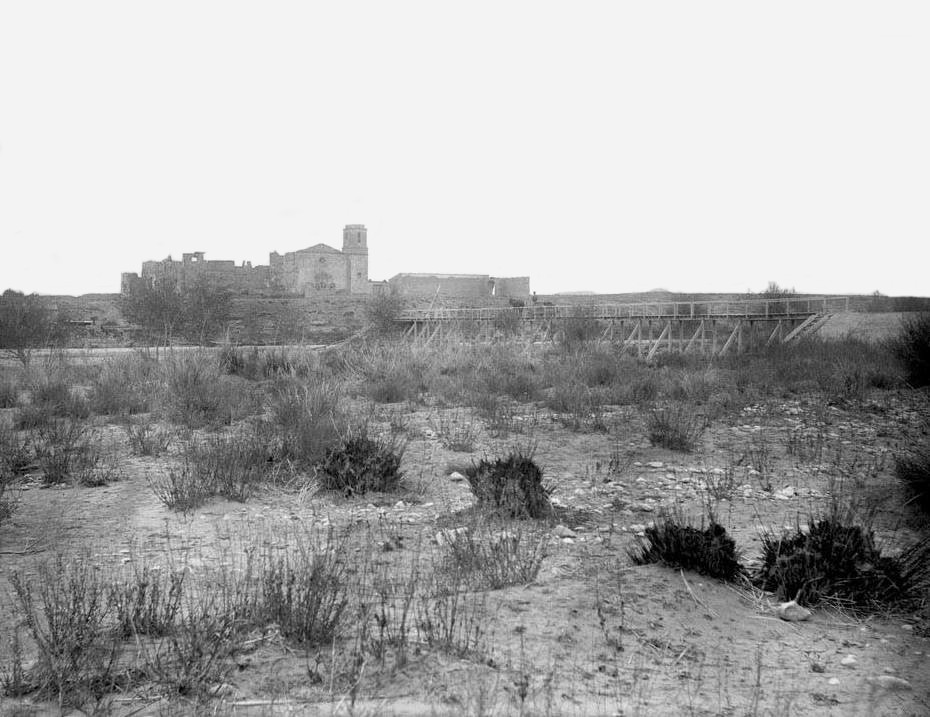
The building's silhouette gives away its layered history at first glance. The lower section of the walls dates back to the late medieval period, while the upper part of the structure — including the distinctive façade — was rebuilt in a Baroque style during the 18th century. Some local heritage researchers have floated the theory that a mosque may once have stood on this exact spot, a possible echo of the area's shifting religious history through the centuries.
Inside, the layout consists of a single main nave flanked by two smaller lateral naves separated by pilasters, with a sacristy on either side of the presbytery. The vaults are four-point, with blind lunettes, while a hemispherical dome rises above the transept, lit by its own windows — the most striking feature of the whole building. The pitched roof is topped with a lantern-crowned bell cote positioned directly above the transept.
The façade draws the eye with a round-arched portal, a circular oculus above it, and an additional semi-circular opening to the right. A single-bell gable crowns the composition — a modest solution typical of rural churches in this part of Catalonia. Look up as well for the elevated choir loft, which runs above the side chapels, a layout often found in churches with a mountain-village heritage. Its original wooden balustrade has survived intact and ranks among the most interesting pieces of the interior's period furnishing.
Today the building has a second life as an exhibition hall, regularly hosting photography and painting shows — meaning the church remains an active cultural space for the village rather than just a monument seen from outside.
When to visit?
The best time to come is early spring, around late February and March, when the surrounding orchards burst into bloom and Aitona becomes one of the most visited spots in the Segrià comarca for exactly that reason. It's also the period when you're most likely to catch an exhibition running inside the church. Outside blossom season, the village is far quieter, making for an unhurried, crowd-free visit.
Frequently asked questions
Can you go inside Sant Gaietà church? Yes — the building currently functions as an exhibition hall, so access to the interior depends on whatever photography or painting show is running at the time. It's worth checking locally for current opening hours.
What's the difference between the lower and upper parts of the church? The lower section of the walls dates from the late medieval period, while the upper part, including the façade, was reworked in Baroque style in the 18th century — hence the clear stylistic contrast between the two.
Is it true a mosque once stood on this site? Local heritage researchers have suggested this as a possibility, though it remains a hypothesis rather than a confirmed historical fact.
What is the most interesting feature inside? Without doubt, the elevated choir loft with its surviving original wooden balustrade, along with the hemispherical dome above the transept, lit by its own set of windows.
Nearby places

Earn badges for the places you visit
Download NextOnTrip, discover new places and check off your trails.