About this place
The Church of San Martín, in San Martín de Hoyos, a village within the municipality of Valdeolea, Cantabria, is a small Romanesque monument that has held Bien de Interés Cultural status — Spain's cultural heritage designation — since 1982. It belongs to a broader group of rural Romanesque churches scattered across this part of Cantabria.
How old is the church and how was it built?
The main body of the church dates to the late 12th century. Two lateral chapels were added later, in the 13th century, in a deliberately archaizing Romanesque style — the builders chose to echo the earlier aesthetic even though architectural fashion had already begun shifting elsewhere. The result is a building raised in stages that still reads as a coherent, unhurried piece of rural Romanesque design.
What does the architecture look like?
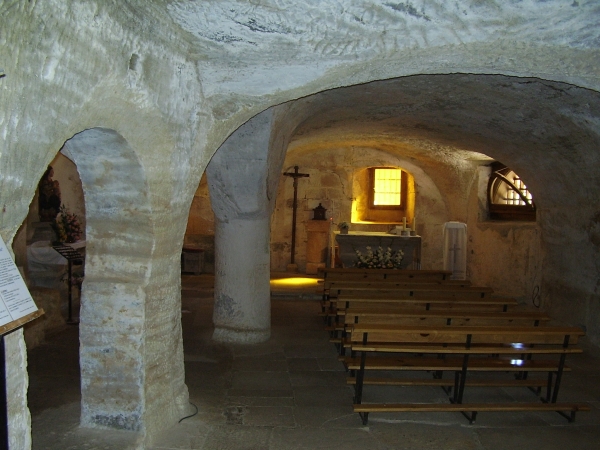
The church follows a modest, single-nave plan closed by an apse — a common layout for small village churches of the period. Its most notable features are the Romanesque entrance portal and the carved capitals, which stand out as the building's finest craftsmanship. On the triumphal arch, the capitals are carved with animal motifs, and eagles can be made out on one of them. The arches leading into the two lateral chapels bring in proto-Gothic touches instead: a pointed-arch profile and a carved scene showing a duel between two knights — an unusual iconographic subject for a church this size.
Where exactly is it, and how do you get there?
The church sits in the center of San Martín de Hoyos, close to a medieval tower that reinforces the historic feel of the village. Valdeolea lies in southern Cantabria, in an area known for its concentration of Romanesque churches, making this a natural stop on any tour of the region's religious heritage. A car is the most practical way to reach it, following the local roads that connect the villages of the municipality; the village itself is small, so the church is easy to spot once you reach the center.
What should visitors look out for?
The real draw here is stonework: the capitals on the triumphal arch and around the chapel entrances reward a close look. Note the contrast between the plain, restrained nave and the more elaborately carved elements around the presbytery — a good illustration of how local stonemasons blended established Romanesque forms with newer, proto-Gothic ideas before Gothic architecture fully took hold in the region.
When is the best time to visit?
As with most rural churches in Cantabria, daylight hours bring out the detail in the portal and capitals best. Spring and early autumn offer comfortable conditions for exploring the wider route of Romanesque churches around Valdeolea.
Frequently Asked Questions
Can visitors go inside the church? Interior access can be limited since it remains an active place of worship — it's worth checking locally or with the Valdeolea municipality before visiting.
What sets this church apart from other San Martín churches in the area? Its location in San Martín de Hoyos and the distinctive capital carvings — the knights' duel scene and the eagles on the triumphal arch — make it stand out among the region's many Romanesque churches.
Are there other historic sites nearby? Yes, a medieval tower stands close by, and the wider Valdeolea municipality is known for a signposted route linking several Romanesque churches.
How old is the building? The main structure dates from the late 12th century, with the lateral chapels added in the 13th century — making the church more than 800 years old.
Nearby places

Earn badges for the places you visit
Download NextOnTrip, discover new places and check off your trails.