About this place
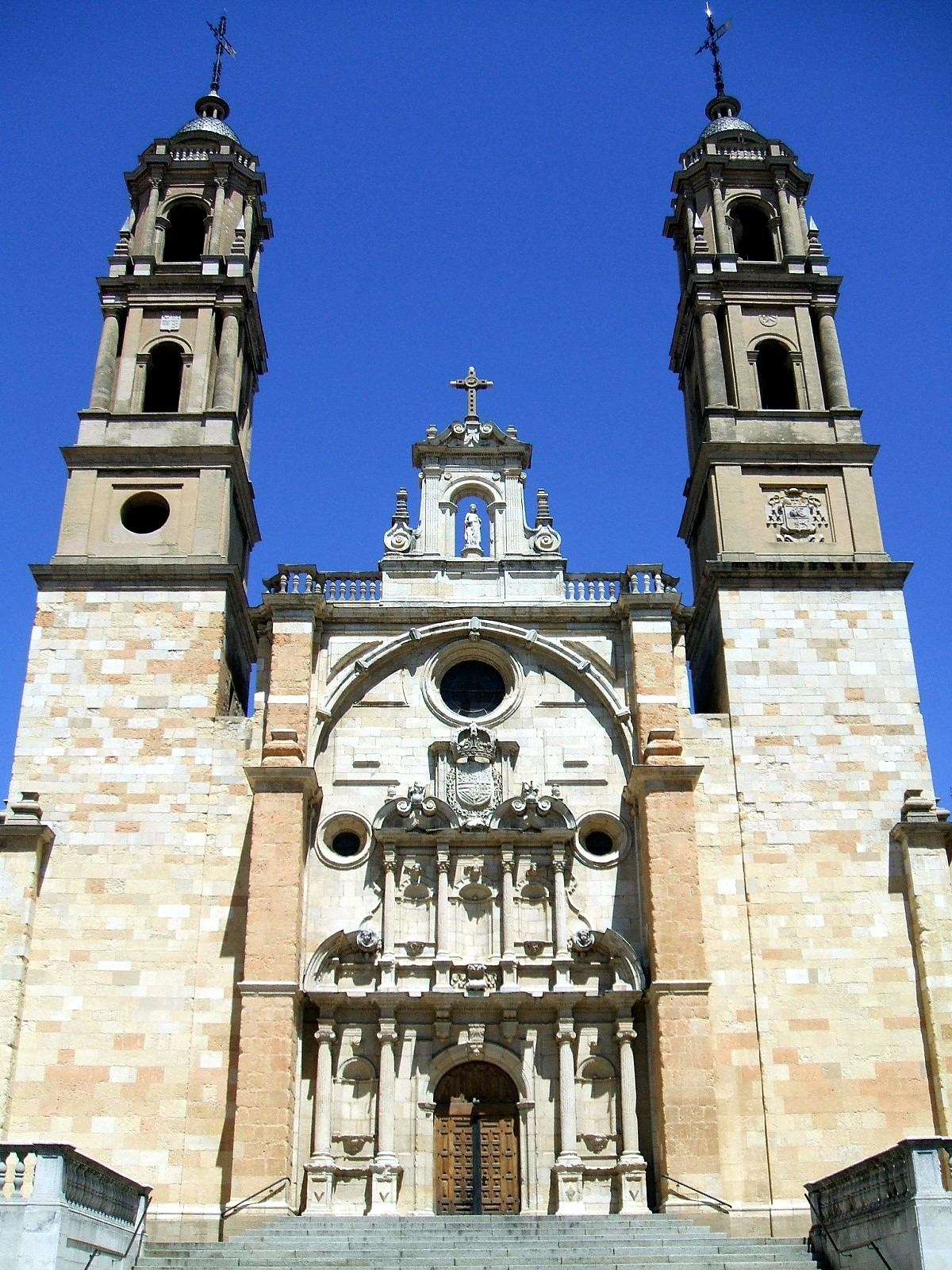
San Juan y San Pedro de Renueva is a parish church in León, in the Castile and León region of northern Spain. The building pairs mid-20th-century sacred architecture with a baroque element that is nearly three centuries old, making it one of the more unusual places of worship in the city.
When was the church built?
Construction ran from 1947 to 1953, commissioned by the Bishop of León, Luis Almarcha Hernández, and designed by architect Juan Crisóstomo Torbado. The church was formally inaugurated for worship on 29 August 1953. It was therefore built in the post-war period as a new parish church for the growing Renueva district, even though its overall style draws on much older architectural forms.
What architectural style does it follow?
The building follows a neo-Renaissance design, with the clean, orderly lines typical of Renaissance-inspired churches. It is laid out on a Latin-cross plan, with three naves each divided into three sections. The interior is covered with barrel vaults featuring lunettes, and a coffered dome rises above the transept crossing, supported on pendentives. This layout gives the interior a solid, monumental feel typical of large parish churches built across Spain in the mid-20th century.
What is the most notable feature for visitors?
The church's standout feature is its portal — a baroque stone doorway that was never originally designed for this building. It comes from the monastery of San Pedro de Eslonza, a Benedictine abbey located roughly 22 kilometres from León. The portal was originally built in 1711, designed by the architect Fray Pedro Martínez de Cardeña. The Eslonza monastery's fate was sealed by the 1836 Mendizábal disentailment decree, after which its property was sold off and the buildings fell into ruin, their stonework scattered. Through the efforts of Bishop Almarcha, part of that heritage — the baroque portal itself — found a new home on the façade of San Juan y San Pedro de Renueva when the church was built in the 20th century. As a result, the entrance to the church is considerably older than the building it opens into.
Where exactly is the church located?
The church stands in the Renueva district of León, in an easily reachable part of the city. León is a historic stop on the Camino de Santiago, best known for its Gothic cathedral and numerous Romanesque monuments, and San Juan y San Pedro de Renueva offers visitors interested in sacred architecture an interesting stop beyond the medieval city centre.
Why is it worth visiting?
The church illustrates how 20th-century religious architecture in Spain often incorporated pieces from older, ruined monuments, rescuing them from complete loss. The baroque portal from Eslonza gives the building a historical depth it would not otherwise have as a purely new construction, linking two places of worship from very different eras into a single structure. For visitors exploring León, it is a chance to see how fragments of a destroyed monastic heritage found a second life in a new setting.
Frequently Asked Questions
When was the church of San Juan y San Pedro de Renueva built? It was built between 1947 and 1953 and opened for worship on 29 August 1953, commissioned by the Bishop of León, Luis Almarcha Hernández.
What is the church's most valuable feature? Its baroque entrance portal, originally built in 1711 for the monastery of San Pedro de Eslonza and moved to the church façade after the abbey was destroyed in the 19th century.
What architectural style is the building in? Neo-Renaissance, with a Latin-cross plan, three naves, barrel vaults with lunettes, and a coffered dome over the transept.
Why does a 20th-century church have a much older doorway? Because its portal was salvaged from the Benedictine monastery of San Pedro de Eslonza, about 22 km from León, which fell into ruin after the 1836 disentailment decree.
Nearby places

Earn badges for the places you visit
Download NextOnTrip, discover new places and check off your trails.