About this place
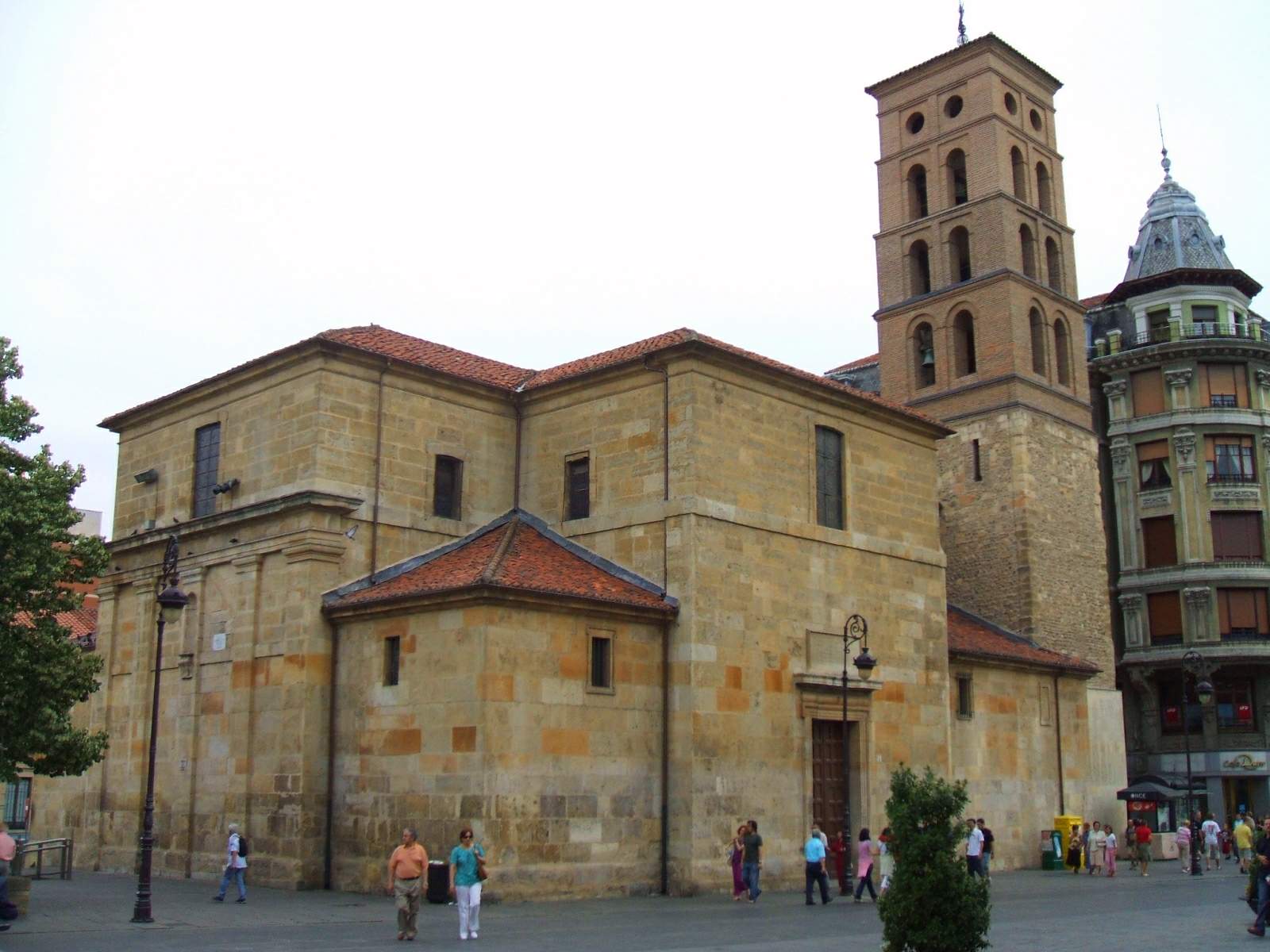
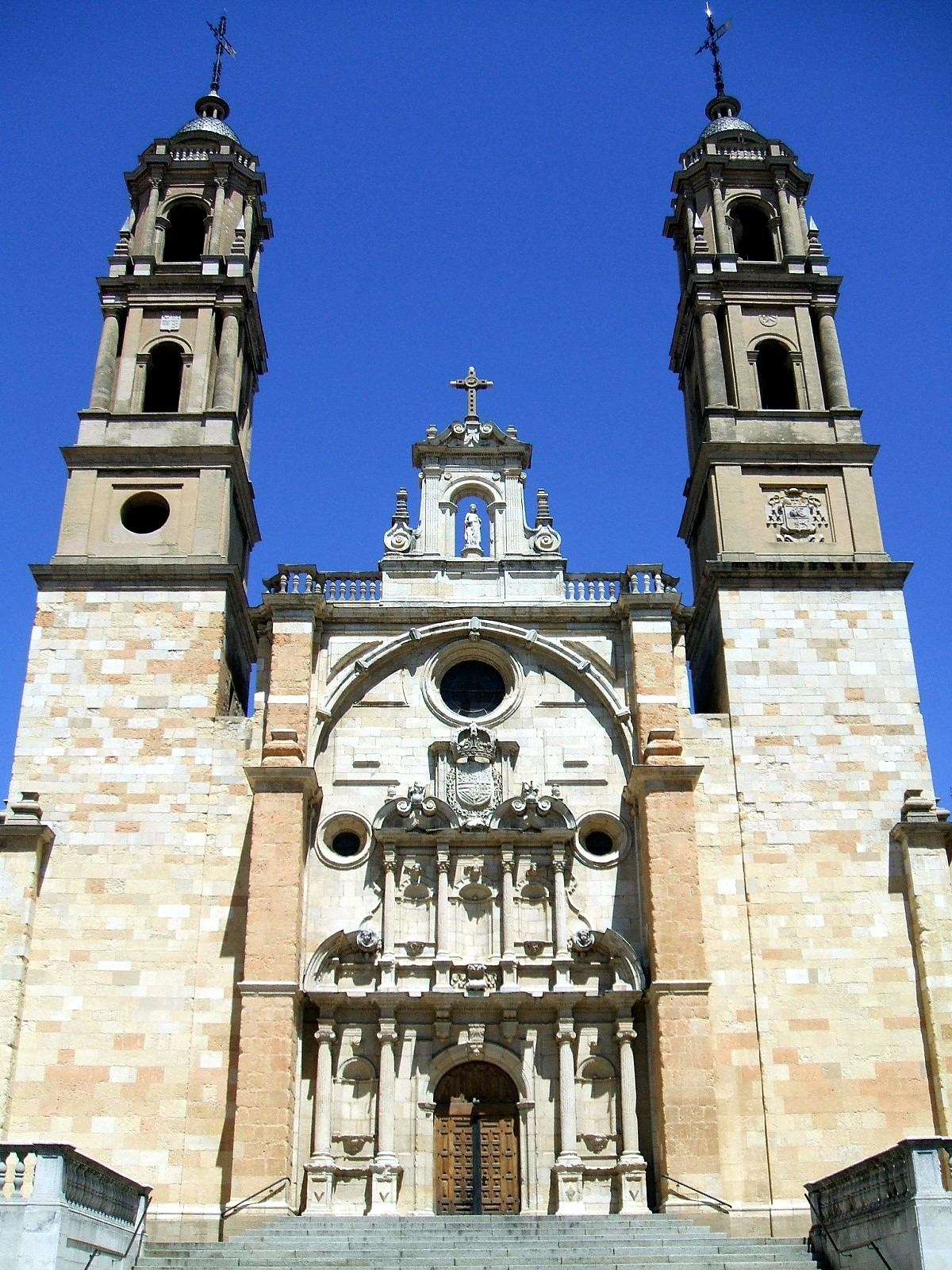
Museo de la Real Colegiata de San Isidoro is a Romanesque art museum housed inside one of Spain's most important medieval complexes, right in the historic center of León. The Royal Collegiate Church of San Isidoro was built in the 11th century under King Ferdinand I and Queen Sancha, and today it shelters one of the finest collections of Romanesque art in Europe. After an eight-year restoration, the museum reopened to the public in April 2024 and quickly became one of the most visited attractions in the León region.
What is there to see inside?
The heart of the collection is the Panteón de los Reyes, the Royal Pantheon, often called the "Sistine Chapel of Romanesque art" for the exceptionally rich frescoes covering its vaults and columns. The room originally served as the narthex, or entrance porch, of the church, but Ferdinand I and Sancha chose it as their family's burial site. Between the 11th and 13th centuries, 33 people were interred here — kings, queens, princes, and members of the Leonese nobility. The murals survive in their original location in a condition rarely seen elsewhere in Europe, making this one of the best-documented sets of Romanesque wall painting anywhere.
The second part of the visit is the Treasury, largely built up from royal donations made to the collegiate church over the centuries. Highlights include the 11th-century Chalice of Doña Urraca, regarded as one of the finest examples of Romanesque goldsmithing on the Iberian Peninsula, an 11th-century ivory chest, a 12th-century Limoges enamel chest, and the 11th-century Reliquary of San Isidoro.
How do you get there and how long does a visit take?
The Collegiate Church of San Isidoro sits in León's historic quarter, within walking distance of the cathedral and the old city walls, making it easy to combine with other stops on a walking tour. A visit covering the museum, the Royal Pantheon, and the Treasury typically takes between 45 minutes and an hour and a half, depending on pace and group size.
When is the best time to visit?
Because the Royal Pantheon is a small space, the number of visitors allowed inside at once is limited. During peak season — spring, summer, and Easter week — expect queues or plan to book in advance. Outside those periods, weekday mornings offer a calmer visit, with more time to take in the frescoes without a crowd.
Frequently asked questions
What makes the Royal Pantheon different from the rest of the museum? The Pantheon is the oldest, separate part of the complex — originally the church's entrance porch, later converted into the burial place of the Leonese royal dynasty. It holds the famous frescoes, while the museum's other rooms display the Treasury and additional artifacts.
Do I need to book tickets in advance? Because entry to the Pantheon is limited to small groups at a time, booking ahead is recommended during busy periods, especially if you want to visit at a specific time of day.
Is photography allowed inside the museum? Photography rules, particularly inside the fresco-covered Pantheon, can change depending on current museum policy — it's best to check at the ticket desk before entering.
How long did the renovation take before the museum reopened? The restoration work lasted almost eight years, and the museum reopened its doors to visitors in April 2024, following a full overhaul of the exhibition spaces and conservation infrastructure.
Nearby places

Earn badges for the places you visit
Download NextOnTrip, discover new places and check off your trails.