About this place
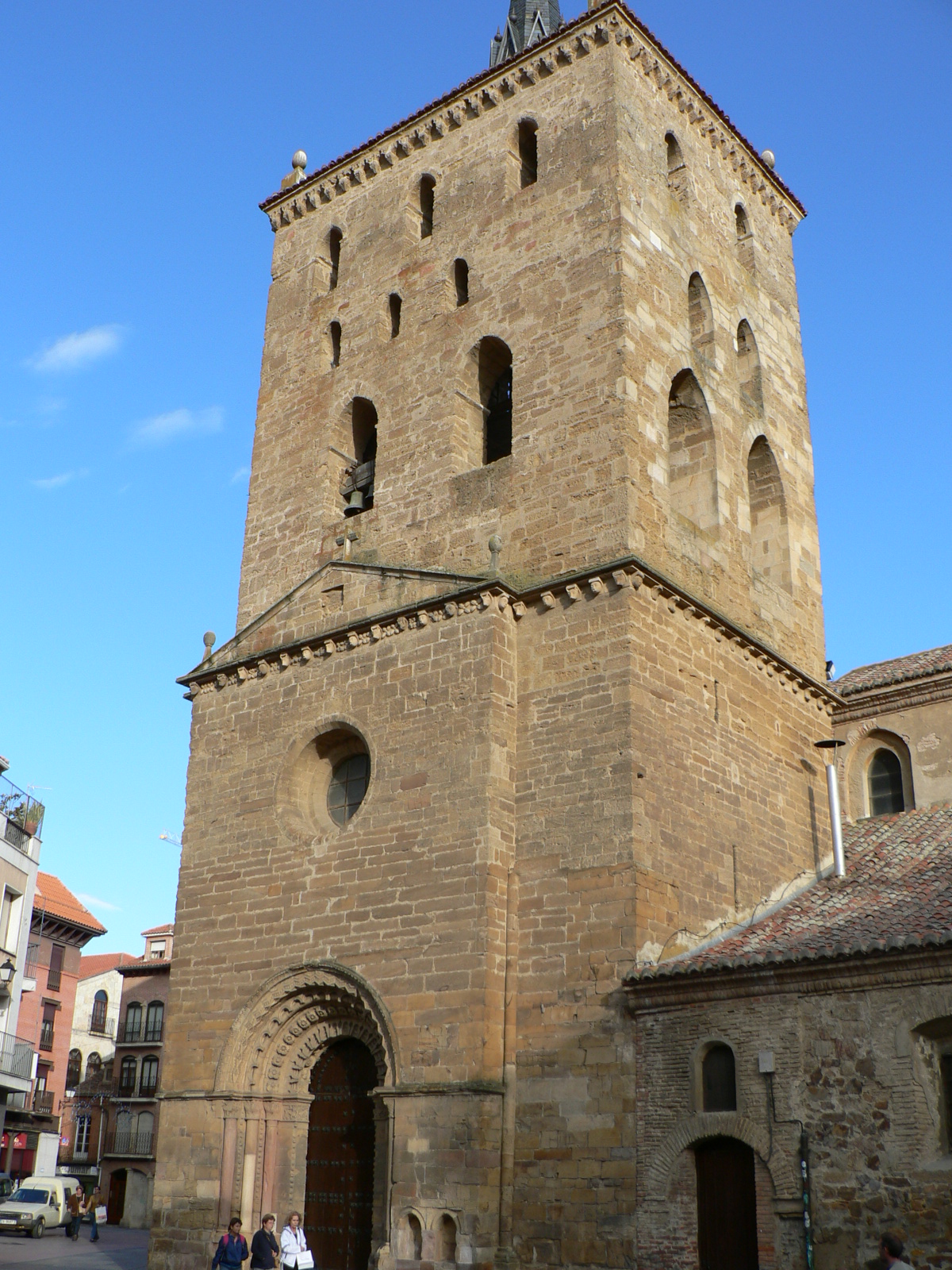
The Church of San Juan del Mercado, in Benavente, is one of two major Romanesque churches that define this town in the province of Zamora, in the Castile and León region of northwestern Spain. It stands in the old town, on ground once occupied by the medieval market that gave it its second name — "del Mercado," meaning "of the market." Smaller than its sister church, Santa María del Azogue, it is prized by architecture historians for its purer, more consistent Romanesque design.
How do you get there?
Benavente sits in the northern part of Zamora province, along the corridor linking Castile with Galicia and Asturias, near the A-6 motorway running northwest from Madrid. Regional bus and train services connect the town to Zamora, León, and Madrid, and the church itself stands within the historic core, an easy walk from the main square and Benavente's castle — so it fits naturally into a stroll through the old town rather than a separate trip.
What will you see?
Inside, the church follows a three-nave plan with a transept that does not project noticeably beyond the main body, a layout typical of Romanesque parish churches in this part of Castile. Unlike many churches of its era, San Juan del Mercado never received stone vaulting: the roof rests on a wooden, two-sloped ceiling, giving the interior a plainer, more archaic feel than a vaulted space would have. Along the side wall near the high altar, a founding inscription survives, tying the building's origins to the closing decades of the twelfth century.
The church also holds sculpture rescued from other Benavente churches that no longer stand: a Pietà originally from the Hieronymite monastery, a figure of Saint Anthony Abbot from the demolished church of San Antón, and an image of Saint Cyprian from the former church of San Miguel. Together these pieces offer a rare look at religious art the town would otherwise have lost entirely.
What is its history?
Construction was begun by Aldonza, daughter of the counts Osorio Martínez and Teresa Fernández and lady of Villalobos, who in 1181 undertook to raise a church of dressed ashlar stone in Benavente. The work proceeded under the guidance and eventual authority of the Order of the Hospital — the Hospitallers — who took on custody of the building, which explains its dedication to Saint John. The chancel is believed to have been consecrated the following year, in 1182, a date recorded in the inscription still visible beside the high altar. From then on, the church stayed closely tied to the life of the town's market, serving for centuries as a landmark for merchants moving through Benavente's commercial quarter.
When to visit?
Spring and autumn are the most comfortable seasons for exploring Benavente, when temperatures on the Castilian plateau stay mild enough for a relaxed walk through the old town. Summers run hot and dry, worth factoring in for an extended day outdoors. Since the church forms part of a wider cluster of monuments in the historic centre — alongside the castle and the church of Santa María del Azogue — it's worth setting aside at least half a day for the old town.
Frequently Asked Questions
Is San Juan del Mercado the name of the church or of a neighborhood? It refers specifically to the church itself. "Del Mercado" points to the market that historically operated nearby, not to the name of a district of Benavente.
What architectural style does the church belong to? It is a Romanesque building dating from the late twelfth century, regarded as one of the more consistent examples of that style in the region, even though it never received stone vaulting.
Is there more to see inside than the architecture itself? Yes — the interior houses sculpture brought in from other, now-vanished churches of Benavente, including a Pietà and images of saints that offer a rare look at the town's wider religious art heritage.
Is it worth pairing a visit with other sights in Benavente? Definitely. The church stands close to the castle and to the town's other major Romanesque church, Santa María del Azogue, so the main historic sights can all be covered on a single walking route.
Nearby places

Earn badges for the places you visit
Download NextOnTrip, discover new places and check off your trails.