About this place
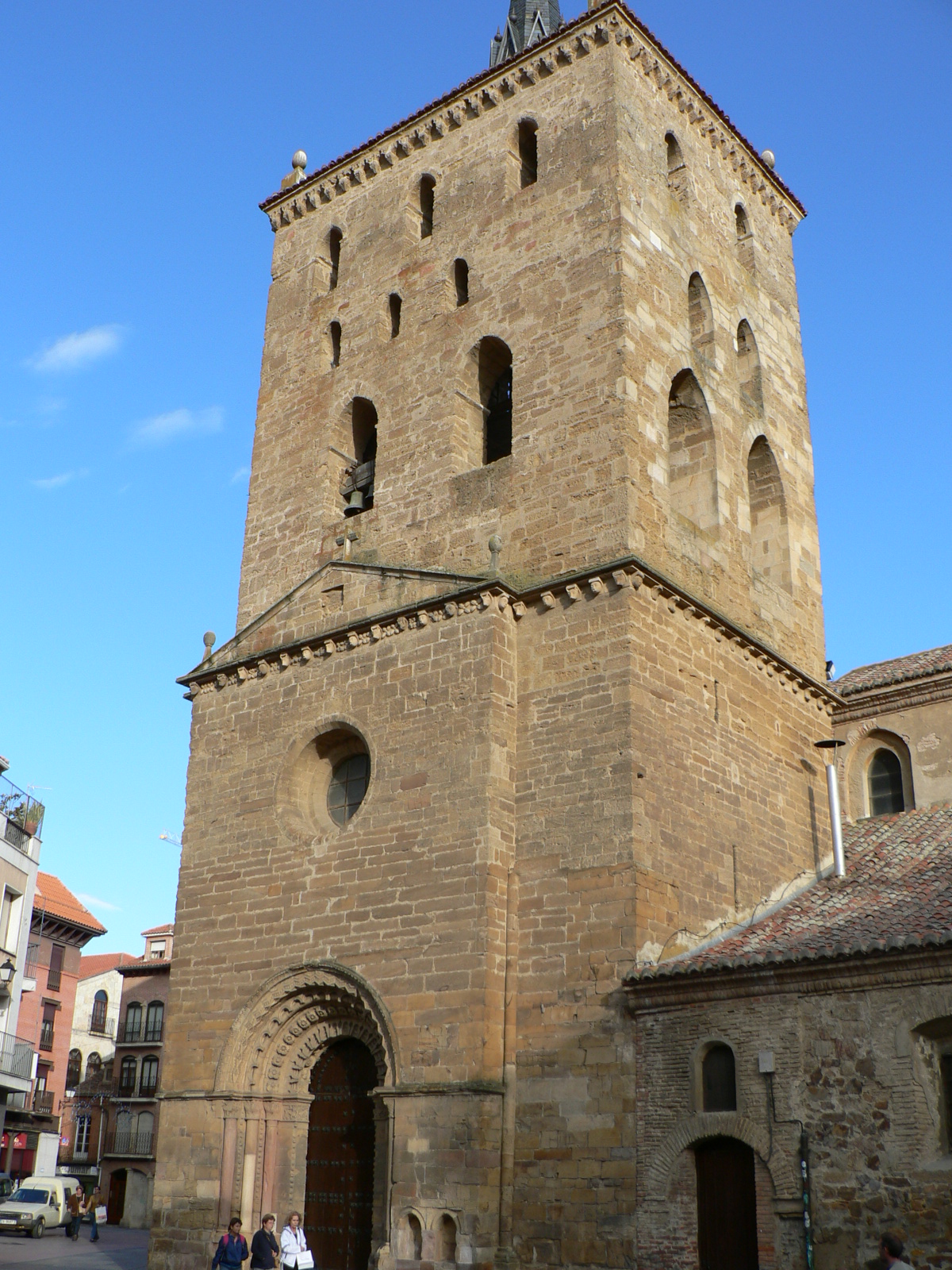
The Church of Santa María de Azogue is the leading Romanesque monument of Benavente, a town in the province of Zamora, in the Spanish region of Castile and León. Standing right in the town centre, it has long served as a reference point for visitors following the Romanesque routes of the Zamora region.
Why is it called "de Azogue"?
The word "azogue" refers to an old open-air market, or souk, once held next to the church. That commercial activity on the adjoining square is what gave the building its popular name, setting it apart from other churches in Benavente dedicated to the Virgin Mary.
How did construction unfold over the centuries?
Work on the church began around 1180, during the period when Ferdinand II of León was resettling the town. Building started in the Romanesque style but stalled for a long stretch afterward. It was only revived under Sancho IV, toward the end of the 13th century, and from that point onward the work continued in Gothic style. The church was finally completed in the first third of the 16th century, meaning its fabric spans more than three hundred years of construction history.
The Romanesque phase left the building with the layout it is best known for: a Latin-cross plan with three naves, five apses closed by straight presbytery walls, and a pronounced, monumental transept covered by four cross vaults. That first stage also accounts for the perimeter walls, part of the lower interior structure, and both transept façades — the oldest surviving fabric of the church.
What should visitors look for in the stone carving?
The two transept façades each hold a portal, and together they are the main reason art historians and travelers seek out this church. The north portal favors plant-based, schematic ornament, a restrained style typical of Romanesque work across the Zamora region. The south portal is richer, combining vegetal motifs with figurative carving, including depictions of the evangelists.
The best-known carving in the whole building is the tympanum above the south portal, where Christ appears as the mystic lamb, surrounded by four censer-bearing angels — two standing, two shown in flight. It ranks among the most recognizable pieces of Romanesque sculpture found anywhere in the Zamora region.
Inside, two polychrome stone sculptures from the 13th century have survived: a Romanesque Virgin and Child, and an Annunciation group. Both pieces remain in remarkably good condition, allowing visitors to make out original coloring and carved detail nearly eight centuries after they were made.
Given its historical and artistic value, the church has been declared a Bien de Interés Cultural, Spain's highest legal category of heritage protection.
Frequently Asked Questions
Where exactly is the Church of Santa María de Azogue located? It stands in the centre of Benavente, a town in the province of Zamora, in the Castile and León region of Spain.
In what architectural style was the church built? Construction began around 1180 in the Romanesque style. After a long pause, the building was finished in Gothic style, with the whole project completed in the first third of the 16th century.
What is considered the church's most important architectural feature? Its two Romanesque transept portals are generally regarded as the highlight, especially the south portal's tympanum showing Christ as the mystic lamb surrounded by angels.
Does the church hold any official heritage protection? Yes, it is listed as a Bien de Interés Cultural, granting it the highest level of conservation protection under Spanish law.
Nearby places

Earn badges for the places you visit
Download NextOnTrip, discover new places and check off your trails.