About this place
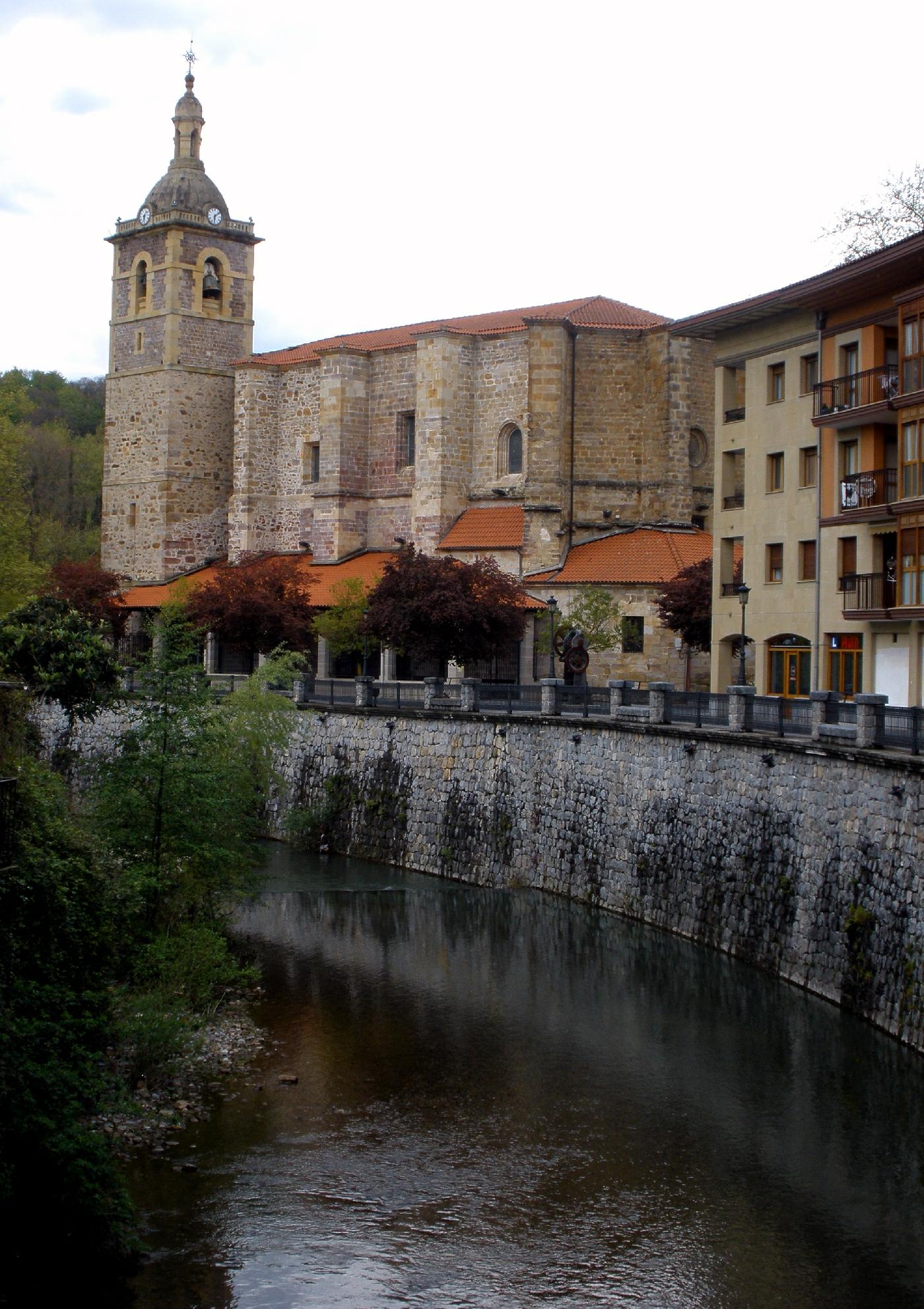
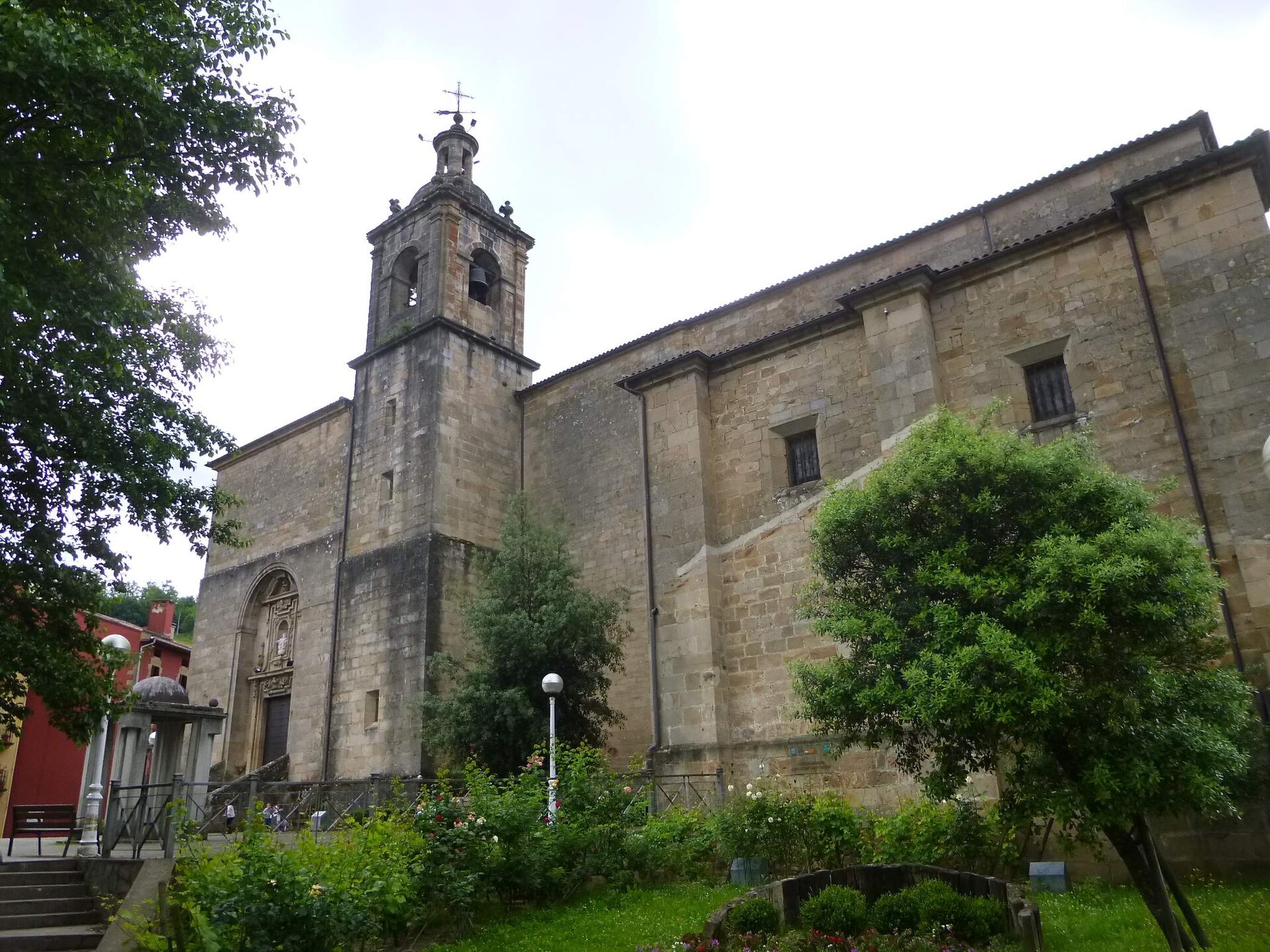
The Church of San Gregorio Magno is a small parish church in Ataun, a municipality in Gipuzkoa in the Basque Country, standing in the hamlet that shares its patron saint's name — San Gregorio. The building sits right on the San Gregorio path, surrounded by the kind of scenery this area is known for: green hills, scattered farmhouses, and dry stone walls dividing pastureland. This is a stop for travelers who want to see rural Basque life away from the crowds — most visitors come across the church while hiking or driving through the valley rather than making it a destination on its own.
Where does this church come from?
The first documented mention of a church on this site dates to 1535, making it one of the older religious buildings in the municipality of Ataun. The structure originally had a simple rectangular floor plan; only later was it reshaped into the Latin-cross layout typical of rural churches in the region. Right next to it stands the Casa-Torre de Zelebar, a tower house that, according to local tradition, was built over the remains of an old castle. A church standing beside a fortified tower house is a pattern found in several Basque villages, where religious and defensive buildings often belonged to the same local lineages.
What will you see inside?
The interior is plain, without much ornamentation. Today the church has no altarpiece in the classical sense — a large crucifix presides over the nave instead. Alongside it is a carved image of Saint Gregory the Great, the church's patron, which had its own altarpiece back in the 18th century but is now displayed more simply. It's an interior where atmosphere and history matter more than decorative wealth — a contrast that can surprise visitors used to the more elaborate churches found in larger towns.
How do you get to San Gregorio?
The hamlet of San Gregorio lies within the municipality of Ataun, in the Gipuzkoa region, close to the border with Navarre. The easiest way to get there is by car, following local roads out from the center of Ataun — the hamlet is a few kilometers away through farmland and hills. The church sits directly on the hiking path that carries the same name, making it a useful landmark for anyone planning a walking route through the surrounding hills. The hamlet itself is home to just over 250 people, so tourist infrastructure is minimal — stock up on food and water in Ataun before heading out.
When is the best time to visit?
Gipuzkoa has an Atlantic climate — mild but rainy for much of the year. The best window for sightseeing and hiking runs from late spring through early autumn (May to October), when days are longer and trails are less muddy. In summer, this inland area tends to stay quieter than the popular coastal routes, which suits visitors looking for solitude. In winter, the hills can turn misty and damp, but that season also gives the stone architecture and dry walls a starker, more atmospheric character.
Frequently asked questions
Can the Church of San Gregorio Magno be visited every day? As an active place of worship, the church mainly opens for Mass and parish celebrations rather than operating on fixed tourist hours. It's worth checking local parish notices before planning a visit.
What is the Casa-Torre de Zelebar next to the church? It's a tower house standing right beside the church, said by local tradition to have been built on the site of an earlier castle. Together with the church, it forms a building group typical of older Basque hamlets.
Are there hiking trails nearby? Yes, the church sits directly on the San Gregorio path, a route popular with people exploring the rural parts of Ataun on foot or by mountain bike.
How big is the hamlet of San Gregorio? It's a small settlement with around 258 residents, typical of the scattered rural population pattern found across the Gipuzkoa region.
Nearby places

Earn badges for the places you visit
Download NextOnTrip, discover new places and check off your trails.