About this place
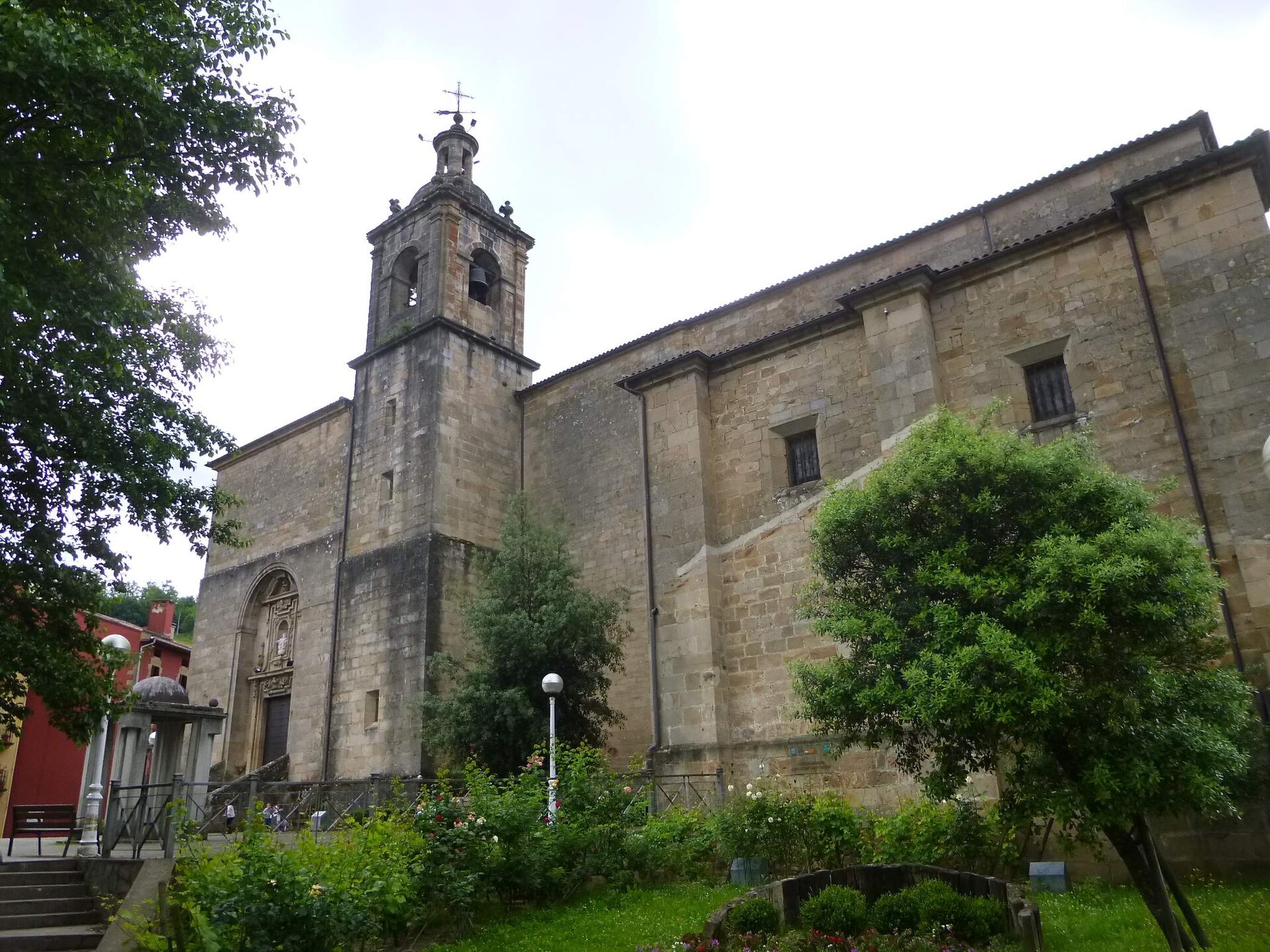
The Church of San Martín de Tours sits at the heart of Zegama, a small town in the Basque Country at the foot of the Aizkorri mountain range. It is the town's principal religious landmark and a natural stop for anyone exploring this corner of Gipuzkoa.
When was the church built?
Construction stretched across two centuries, from the 15th through the 16th century. The result is an imposing structure built in ashlar sandstone, laid out on a Latin-cross plan. The bell tower rises from the north transept, while the sacristy opens onto the south facade through its own porticoed entrance. A Baroque-style portal and choir were added in the 17th century, and the south door, sacristy and portico underwent further rebuilding in the 19th century — so the church layers three distinct architectural periods on top of its original Gothic-Renaissance core.
What stands out on the facade?
Above the main entrance, a carved equestrian figure of Saint Martin of Tours survives — the church's namesake, shown in the scene most associated with him, dividing his cloak with a beggar. This image of the mounted saint is a recurring motif on churches dedicated to him across the Basque Country, and the Zegama version has held up well on its stone portal over the centuries.
What was the dispute over control of the church about?
Toward the end of the 15th century, the Ladrón de Cegama family, lords of Zegama, tried to secure full patronage rights over the church — control of tithes, influence over clerical appointments, and management of parish property. The townspeople pushed back and took the matter to court. The community won: authority over church taxes and personnel decisions stayed local, and from the 17th century onward it passed formally to the town council. The episode is a useful window into how Basque communities defended their autonomy against the ambitions of local nobility.
What historic relics does the interior hold?
Inside, the church preserves a cross brought down from the hermitage at the summit of Aizkorri, the 1,528-metre peak visible from Zegama and a popular hiking destination. The cross is considered one of the oldest surviving examples of its kind in all of Gipuzkoa, a tangible link to centuries of mountain devotion in the area.
The church also contains the mausoleum of Carlist general Tomás de Zumalacárregui, one of the best-known military figures of the First Carlist War (1833–1840). Zumalacárregui died in Zegama after being wounded during the siege of Bilbao, and his death here turned the local church into a site tied to the region's 19th-century military history.
How do you get to the church?
The church stands right in the centre of Zegama and is reachable on foot from anywhere in town, with no separate trip or special approach needed. As it remains an active parish church, access to the interior may depend on service times, so it is worth checking locally before visiting.
Frequently Asked Questions
Who is the Zegama church dedicated to? It is dedicated to Saint Martin of Tours, the soldier-turned-bishop remembered for cutting his cloak in half to share with a beggar — his mounted figure decorates the entrance portal.
From which period does the building date? The main structure was built between the 15th and 16th centuries; the Baroque portal and choir were added in the 17th century, while the south door, sacristy and portico were reworked in the 19th century.
Is there anything inside connected to the Carlist Wars? Yes, the church holds the mausoleum of General Tomás de Zumalacárregui, a Carlist commander who died in Zegama in 1835.
What is the cross kept inside the church? It is a cross originally from the hermitage atop Mount Aizkorri, regarded as one of the oldest surviving pieces of its kind in Gipuzkoa.
Nearby places

Earn badges for the places you visit
Download NextOnTrip, discover new places and check off your trails.