About this place
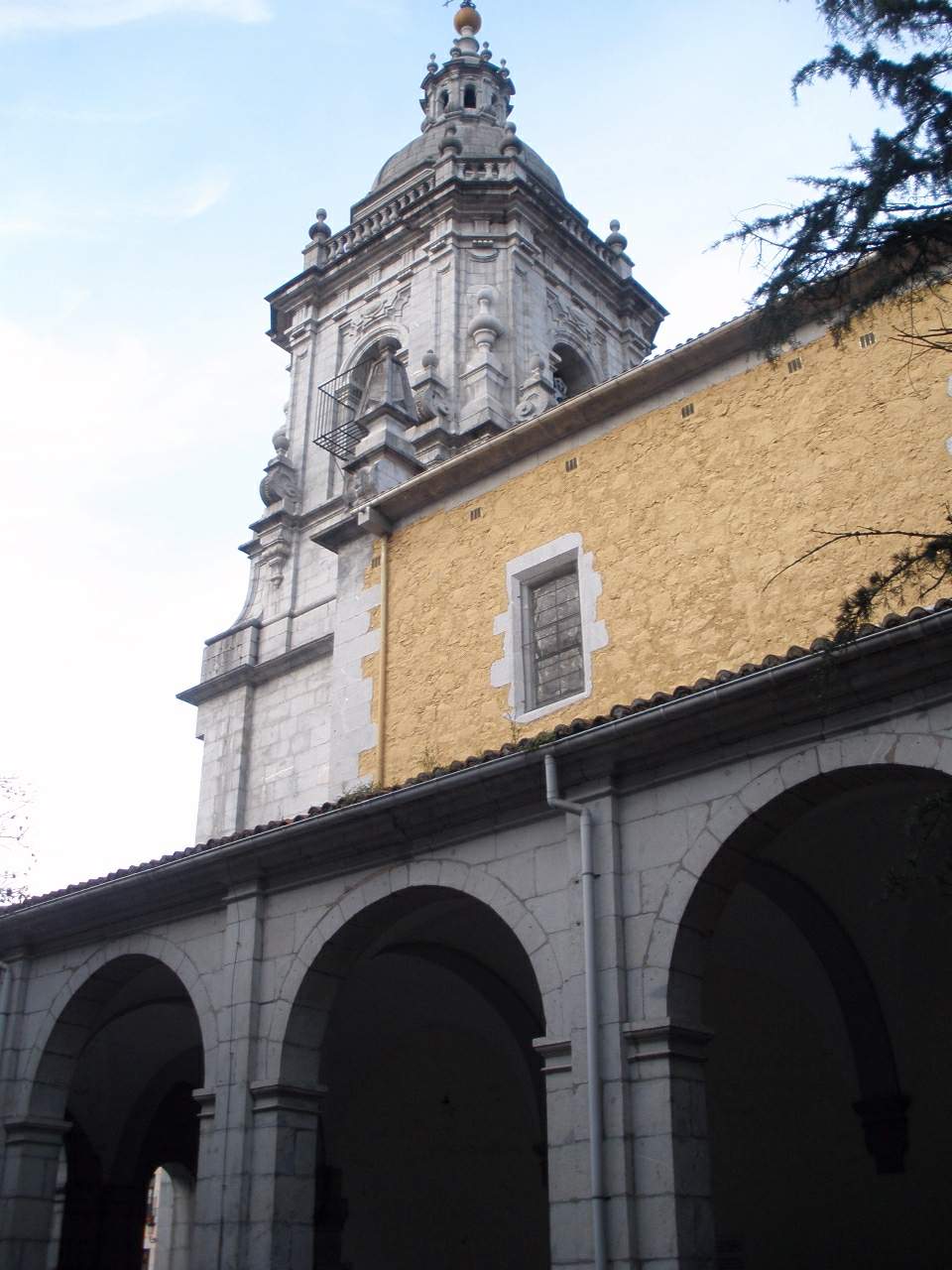
San Andres Apostolua is the parish church of Etxebarria, a small inland town in the province of Biscay, in the Basque Country, set at the foot of Mount Kalamua and along the Urko river. Dedicated to Saint Andrew the Apostle, it stands as the main historic landmark of a mountain village that has served for centuries as a passage point between Biscay and neighboring Gipuzkoa.
How to get there?
Etxebarria sits away from the Biscay coast, tucked among narrow valleys and hills. Since the Middle Ages the village has functioned as a required stop on the route linking Biscay with Gipuzkoa, so today it is reached by car along the local valley roads connecting it to nearby towns such as Markina-Xemein and Eibar. The church sits in the village centre, so once you arrive it is an easy walk from anywhere in town.
What will you see?
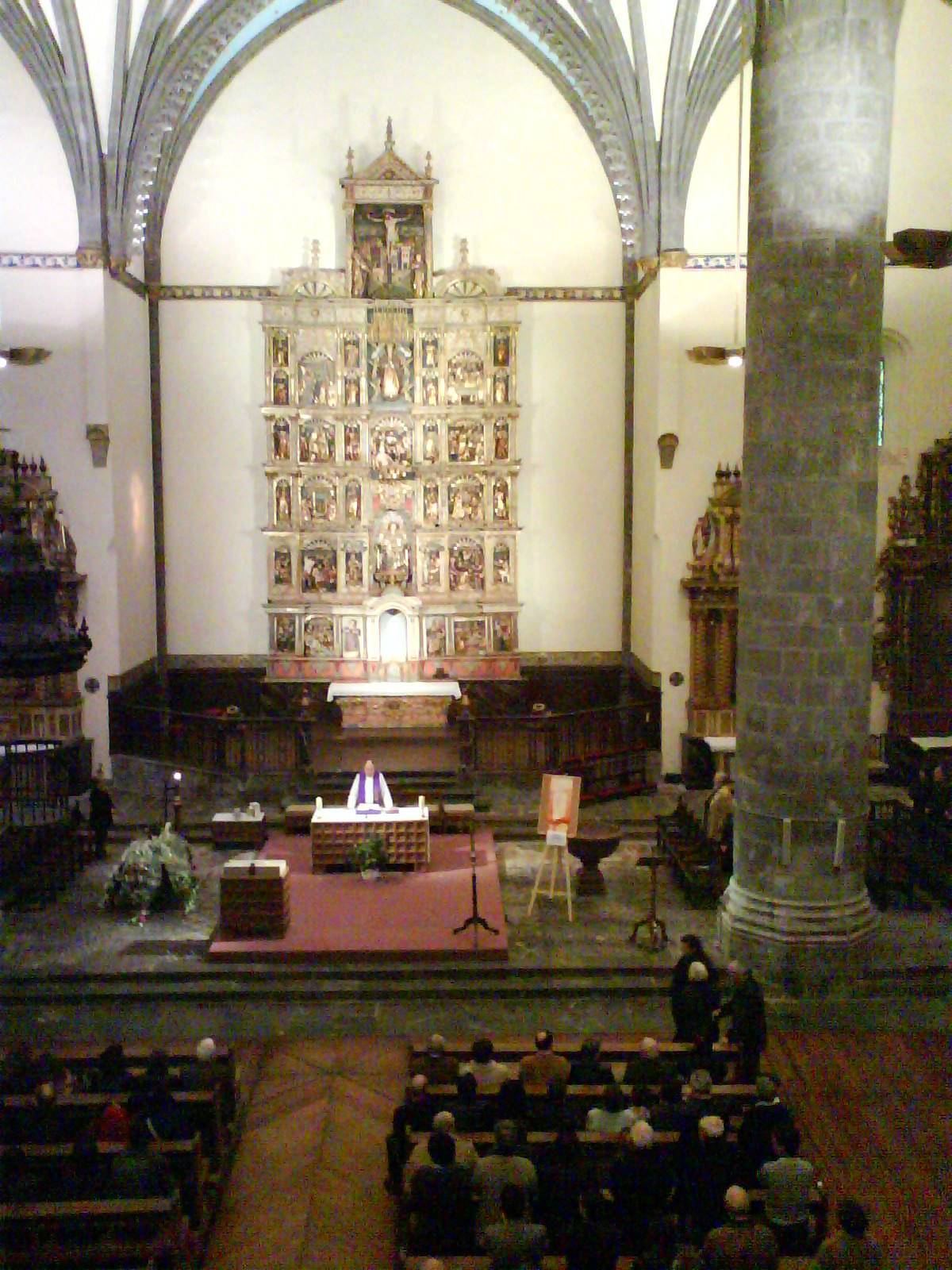
The church's origins go back to the 14th century, though most of the current structure dates from a rebuilding completed in 1570, with the chancel finished in 1616. It follows a basilical floor plan of four vaulted bays, the last of which opens through a triumphal arch onto the main altar. That altar holds the building's finest feature: a richly worked Baroque altarpiece. Its columns point to a late stage of the Baroque style, and the central niche houses a figure of Saint Andrew flanked by two further saintly images. Together the elements form a coherent, well-preserved example of Basque religious architecture from the turn of the 16th and 17th centuries.
When to visit?
As an active parish church, the interior is best visited around service times or after checking with the parish beforehand — rural Basque churches rarely keep fixed, tourist-facing opening hours. The surrounding landscape, with views toward the Kalamua massif and the Urko valley, looks its best in spring and summer, when green hillsides contrast with the church's stone walls. Autumn and winter bring more mist and dampness to the area, giving it a quieter, more intimate feel.
A bit of history
Etxebarria and its church surface in records tied to the defence of Biscay. In 1624 the General Assembly (Junta General) of the Lordship of Biscay ordered the fortification of the province's ports and coastline, and appointed Martín de Munibe as captain of the district associated with San Andrés de Etxebarria — showing that the parish's name once stood for the whole surrounding district, not just the building. Not quite a century later, in 1704, a province-wide household count recorded eighty-six hearths in San Andrés de Etxebarría, giving a sense of the size of this rural community on the eve of the 18th century.
Frequently Asked Questions
Where does the church's name come from? It is dedicated to Saint Andrew the Apostle (Basque: Apostolua), one of the twelve apostles and patron of many rural Basque parishes.
What architectural style is the church built in? It is a Baroque, basilical-plan church with roots in the 14th century, though its present form comes from a 1570 rebuild and finishing work completed in 1616.
What is the main highlight inside? The Baroque main altarpiece, centred on a figure of Saint Andrew flanked by two other saints, regarded as a work of notable artistic value.
Is there anything else worth seeing nearby? Yes — Etxebarria itself lies in a scenic valley at the foot of Mount Kalamua, popular with hikers exploring the Basque Country, while the Urko river traces a natural walking route through the village.
Nearby places

Earn badges for the places you visit
Download NextOnTrip, discover new places and check off your trails.