- Sacred Monuments
- Churches
Church of Santa María de la Asunción of Xemein, Markina
About this place
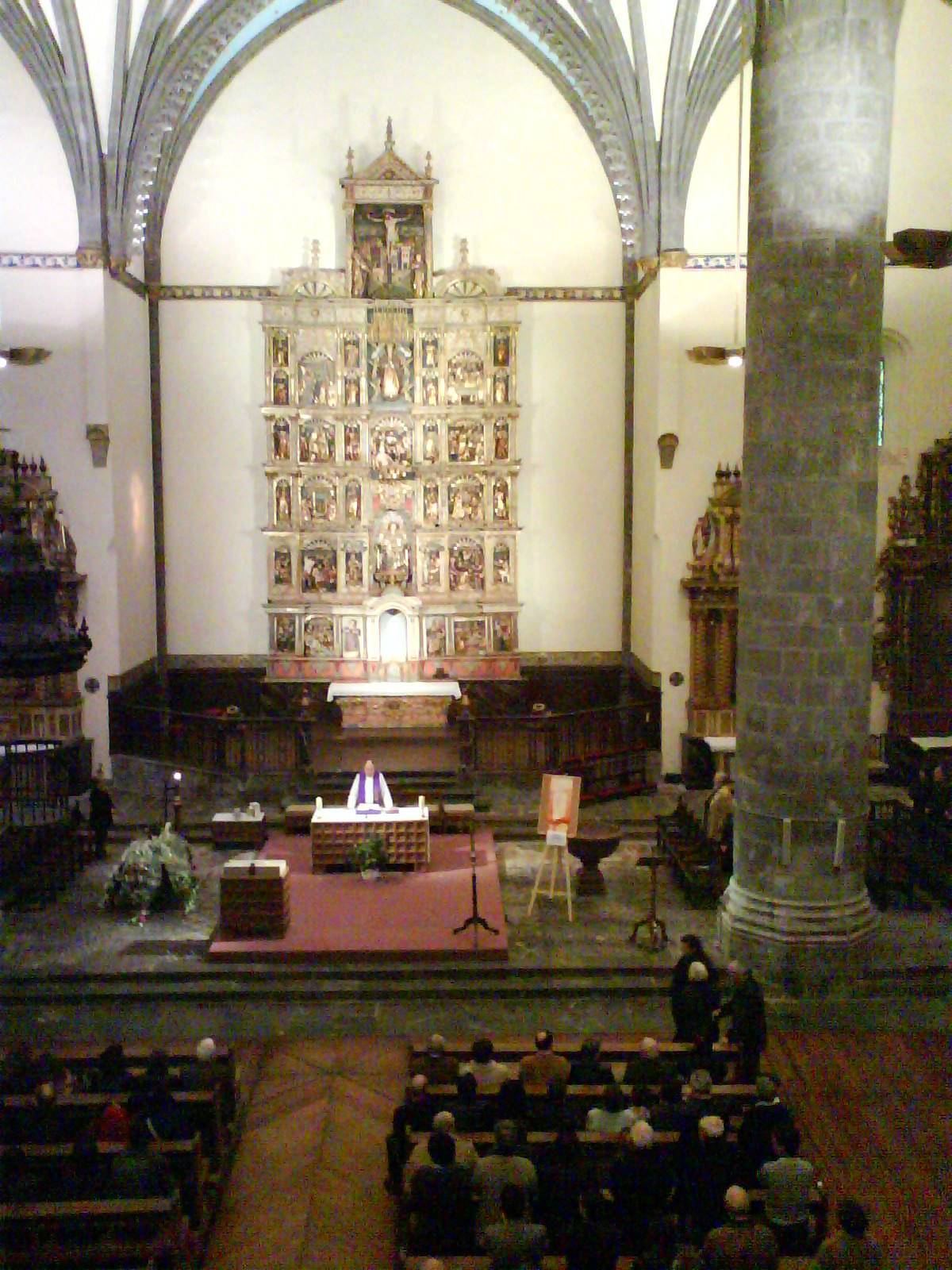
The Church of Santa María de la Asunción de Xemein stands in Markina-Xemein, a small town in the Basque Country's Biscay province in northern Spain. Set in the old Xemein quarter, it ranks among the most significant religious monuments in the area, and the church together with its adjoining cemetery is listed as protected heritage in the Basque Country.
How old is the church, really?
Solid documentation from the earliest period is missing, but historians place the origins of worship on this site in the early Middle Ages, in line with most late-medieval parishes across the Basque Country and western Europe. Some accounts push the foundations of the original temple and an adjoining convent back as far as the 10th century. The clearest early written trace comes from 1355: the founding charter of Villaviciosa de Marquina explicitly allowed residents to attend services at the church of Santa María de Xemein, confirming it was already an active parish by then.
Why did the town end up with two churches?
A long-running dispute over patronage rights to the parish, fought between the Barroeta and Ugarte families, pushed the town council to build its own church inside the town walls rather than rely on Xemein. That second building, San Pedro de Elizabarria, no longer stands. Santa María de Xemein, meanwhile, kept functioning as the area's main parish and religious center.
Who built the current structure, and in what style?
The present church replaced an earlier building on the same site. Construction began in 1510 and took roughly fifty years, with master builders Martín de Albisua, Rodrigo Albiz, and Miguel de Elorriaga among those involved. Work starting around 1515 followed Renaissance conventions, while the final stretch, completed in the early 17th century, added classicist features — sometimes called severe Baroque — including the sacristy, choir, and tower. The result is a three-nave church where Gothic and Renaissance elements sit side by side, an unusual combination for a building of this scale in the region.
What else is worth knowing about the site?
A historic cemetery survives next to the church, and together the two form a single heritage-protected complex. The church also sits along a stretch of the Camino de Santiago that crosses the Basque Country, adding to its standing as a stop on the region's religious heritage trail. Visitors can approach the building and take in the exterior architecture; access to the interior depends on the parish's current schedule, so it is worth checking locally or with the town's tourist information point before planning a visit.
Frequently Asked Questions
Where is the Church of Santa María de la Asunción de Xemein located? In Markina-Xemein, a town in Biscay province, in Spain's Basque Country.
How old is the church? The current building went up starting in 1510 over about fifty years, though the religious use of the site is thought to go back much further, possibly to the early Middle Ages.
What architectural style is it built in? It combines Gothic and Renaissance elements with later classicist additions — sometimes called severe Baroque — from the early 17th century, such as the sacristy, choir, and tower.
Is the church protected as a heritage site? Yes, both the church and its adjoining cemetery are listed as protected heritage in the Basque Country.
Nearby places

Earn badges for the places you visit
Download NextOnTrip, discover new places and check off your trails.