About this place
Réserve naturelle nationale du Bois du Parc is a compact yet scientifically remarkable nature reserve in Burgundy, set along the Yonne River between Auxerre and Avallon, within the municipality of Mailly-le-Château. Covering roughly 45 hectares, the site was granted protected status in 1979 in recognition of its exceptional geological and botanical value.
What makes this reserve special?
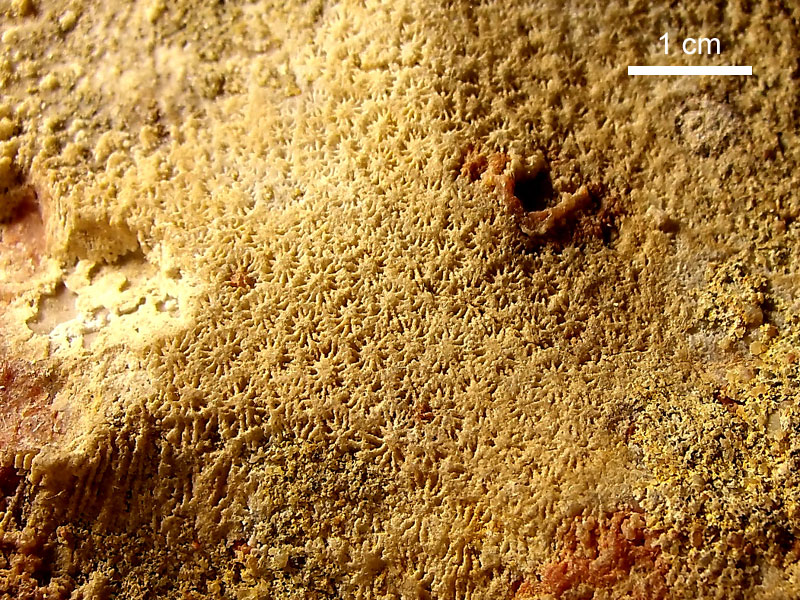
The reserve's defining feature is a series of steep, rocky cliffs rising above the Yonne valley. These rocks are the fossilized remains of a coral reef formed around 160 million years ago, when the valley now occupied by the Yonne was covered by a warm, shallow sea favorable to reef growth typical of tropical waters. The cliffs still preserve fossilized coral polyps in their original living position, together with numerous shells, making this one of the finest exposed fossil coral reefs in France.
What vegetation and landscape can visitors expect?
The tops of the cliffs and rocky outcrops are covered by dry grasslands where shrubs and heat-loving, almost Mediterranean-type plants thrive — this habitat forms the most biologically significant part of the reserve. Below, on the limestone plateau, a deciduous forest of sessile oak, hornbeam, and field maple grows on the characteristic brown soils that developed over the limestone bedrock.
The contrast between the sun-exposed, dry grasslands on the cliff tops and the shaded deciduous woodland at their base creates a mosaic of habitats that supports a wide range of plant and animal species adapted to very different conditions — from heat-tolerant, xerothermic species to the typical flora and fauna of Burgundy's broadleaf forests.
Why is Bois du Parc worth visiting?
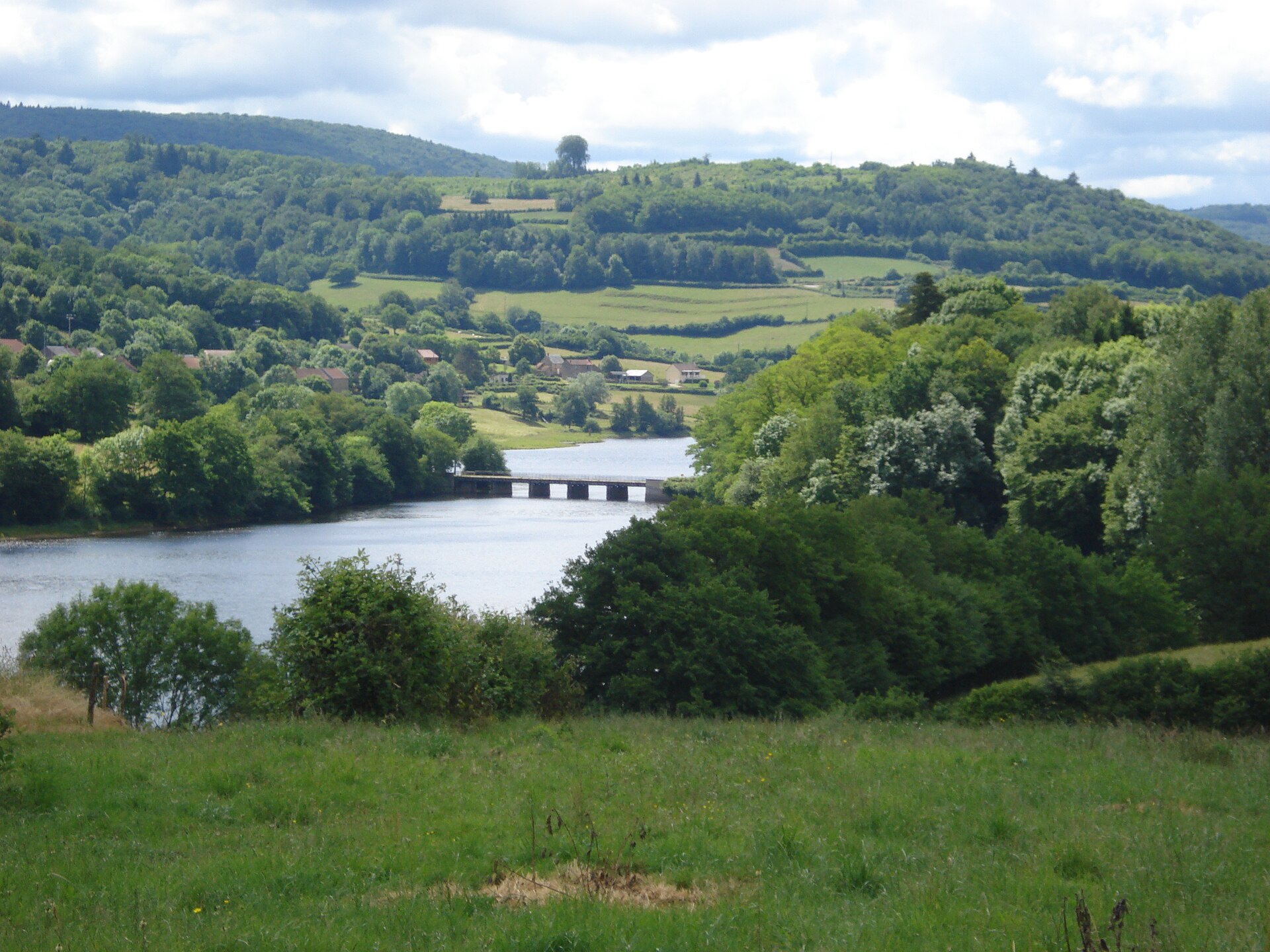
The reserve combines genuine scientific importance — as one of the key geological sites documenting the ancient Jurassic sea that once covered this part of France — with the scenic appeal of the Yonne valley. The rocky cliffs offer views over the river and surrounding countryside, and the reserve's proximity to Mailly-le-Château makes it an easily accessible stop for anyone exploring the Burgundy region.
Frequently asked questions
Where exactly is the reserve located? In the municipality of Mailly-le-Château, in the Yonne department of Burgundy, along the Yonne valley between Auxerre and Avallon.
When was the reserve established? It was given national nature reserve status in 1979.
How large is the protected area? The reserve covers approximately 45 hectares.
What makes it geologically significant? Its cliffs are the remains of a coral reef roughly 160 million years old, with fossilized corals preserved in their original growth position.
What kind of vegetation grows here? Dry grasslands with shrubs and heat-loving plants on the cliff tops, and a deciduous forest of sessile oak, hornbeam, and field maple on the plateau below.
Nearby places

Earn badges for the places you visit
Download NextOnTrip, discover new places and check off your trails.