About this place
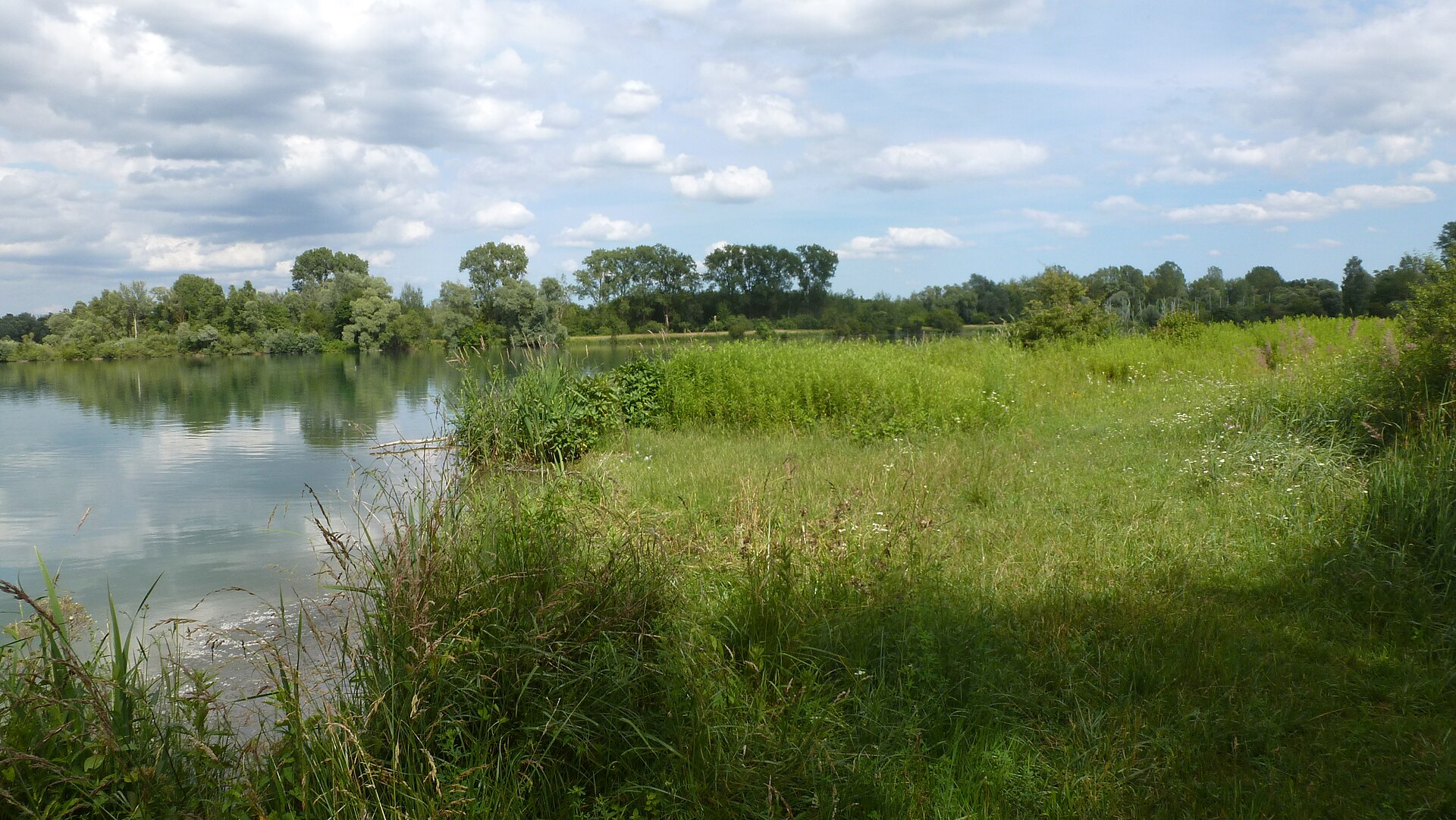
The Rohrschollen Island National Nature Reserve (Réserve naturelle nationale de l'île du Rohrschollen) lies along the Rhine roughly 10 km southeast of Strasbourg's historic city center. Established in 1997, the reserve covers 309 hectares, made up of 157 hectares of forest, 25 hectares of grassland, and the remainder riverside terrain.
Where is the island and how was it formed?
Rohrschollen Island stretches 5.3 km in length, reaching up to 750 meters at its widest point and narrowing to just 100 meters at its northern tip. Its present shape is the result of engineering work on the Rhine: canalization of the river carried out between 1959 and 1963 cut the island off from the neighboring Neuhof forest, isolating a stretch of the river valley that gradually developed into its own distinct ecosystem.
What makes this forest so significant?
The reserve's most valuable feature is its alluvial forest — a habitat type that once lined the floodplains of Europe's major rivers but has nearly vanished due to river channelization. An estimated 90% of the alluvial forests along the Franco-German course of the Rhine disappeared during the 19th century. The forest on Rohrschollen is one of the few surviving examples of this habitat still developing naturally, making it a remarkable ecosystem at both national and European level.
What wildlife can be found here?
The reserve serves as a refuge for a wide range of species. Birds, amphibians and fish tied to riverine and wetland habitats live within the forest and floodplain areas, while the flora includes more than 200 plant species. This combination of wet forest, open grassland and riverbank zones gives the island a level of biodiversity that is rare elsewhere in the region.
What should visitors know before going?
Because its ecosystem is fragile, Rohrschollen is typically explored via marked trails and observation points designed to let visitors discover the alluvial forest without disturbing its natural processes. It is a destination for anyone interested in nature and in the history of the Rhine's engineering works, looking for a quiet encounter with wilderness close to Strasbourg yet away from the city center.
Frequently asked questions
Where exactly is the reserve located? Along the Rhine, about 10 km southeast of Strasbourg's city center, on an island separated from the mainland by river canalization works carried out between 1959 and 1963.
When was the reserve created? In 1997, as a Réserve naturelle nationale (national nature reserve).
How large is the reserve? 309 hectares, including 157 hectares of forest and 25 hectares of grassland, with the rest being riverside terrain.
What is the reserve's most valuable habitat? Its alluvial forest — a rare river-valley ecosystem, 90% of which disappeared along the Franco-German course of the Rhine during the 19th century.
What wildlife lives on the island? Birds, amphibians and fish associated with wetland habitats, along with more than 200 plant species.
Nearby places

Earn badges for the places you visit
Download NextOnTrip, discover new places and check off your trails.