About this place
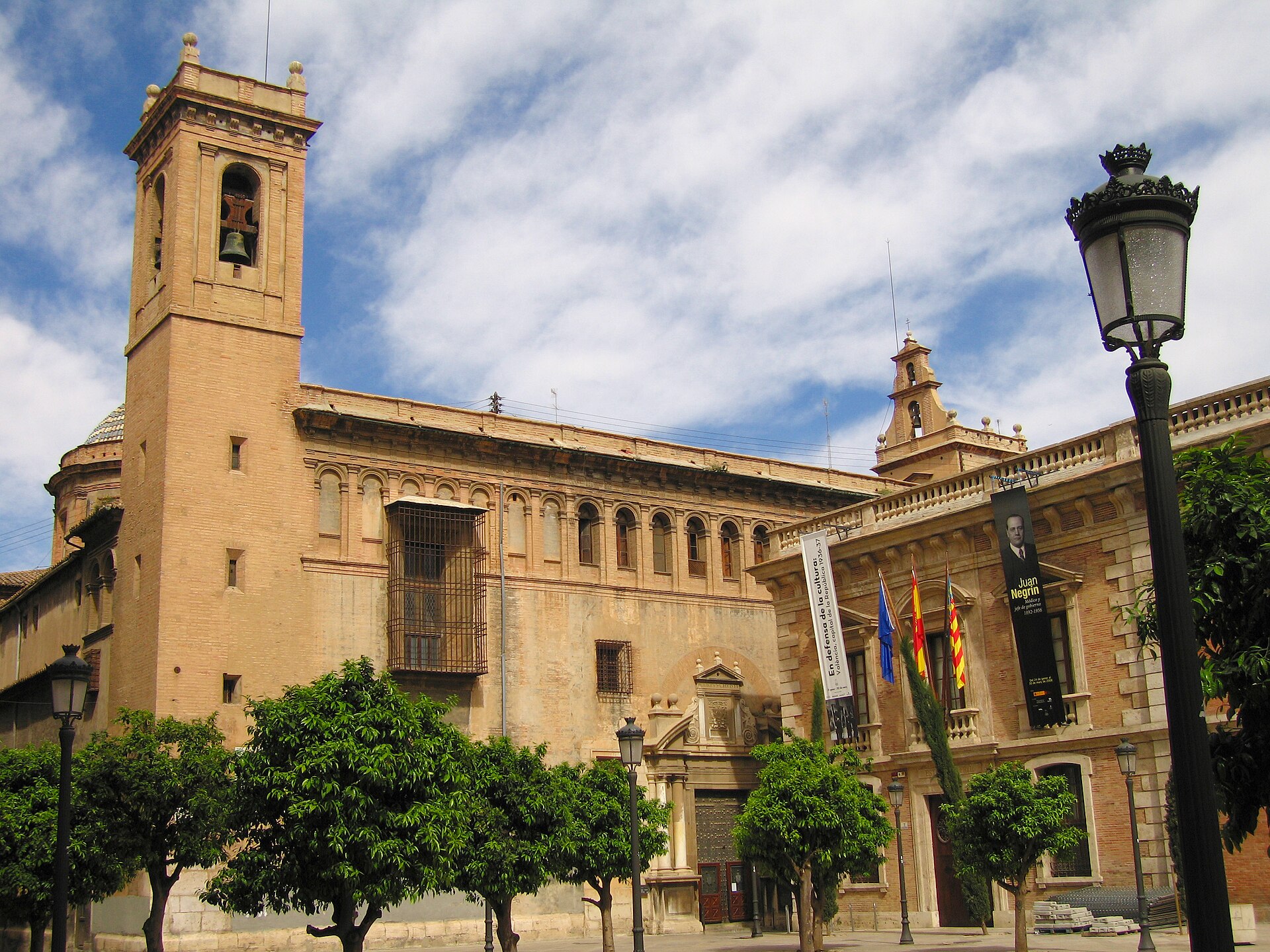
Real Colegio Seminario del Corpus Christi, known to locals simply as El Patriarca, is a college church and seminary complex in the heart of the old town of Valencia. It brings together the history of the Catholic Church in Spain with one of the finest examples of Renaissance architecture on the Iberian Peninsula.
What is the history behind this place?
The seminary was founded in 1583 by Juan de Ribera, Patriarch of Antioch and Archbishop of Valencia — hence the popular nickname El Patriarca. Its main purpose was training priests in line with the decrees of the Council of Trent, making the complex one of the clearest symbols of the Counter-Reformation in the Valencia region. Construction ran from 1586 to 1615, nearly thirty years, which explains the architectural consistency of the whole complex despite its scale.
What will you see inside?
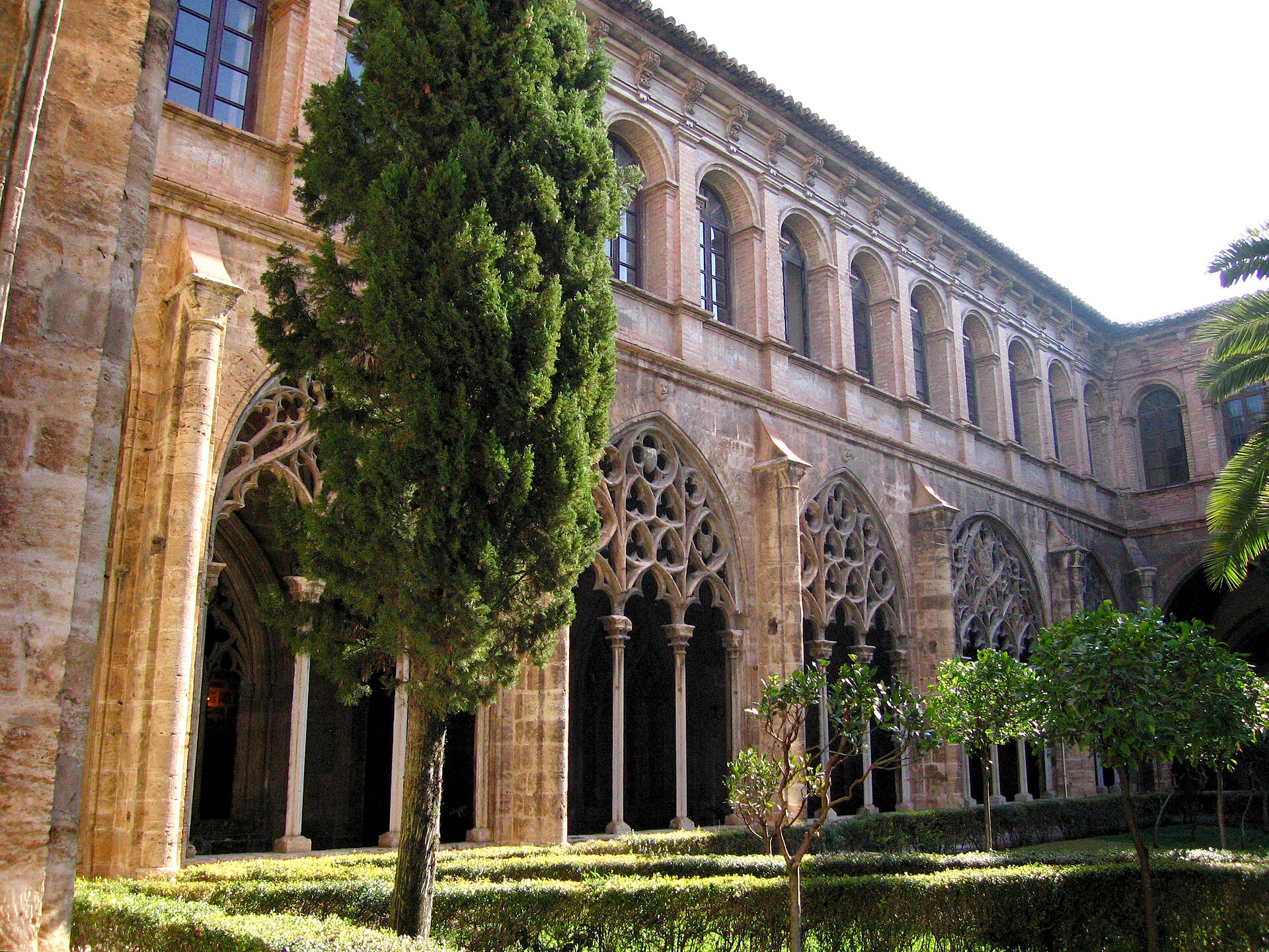
The heart of the building is a grand Renaissance cloister, considered one of the most refined examples of Renaissance architecture in Spain. It has two tiers of arches resting on marble columns shipped in from Genoa, originally purchased from the Duchess of Pastrana. Around the courtyard sit the church, the communion chapel, the library, the former dormitories of the seminarians, and the classrooms.
Part of the complex now houses the Museo del Patriarca, displaying religious art connected to the foundation, including paintings attributed to major names such as El Greco and Caravaggio alongside works by Valencian artists of the period. For art lovers, it's one of the more rewarding — and less crowded — museums in the historic center.
The building stands on Calle de la Nau, directly across the street from La Nau, the former Universidad Literaria building and now part of the University of Valencia. That means the walk between the two historic landmarks takes barely a minute.
How do you get there?
El Patriarca sits right in the middle of Valencia's old town, an easy walk from the cathedral and Plaza de la Reina. The simplest way to reach it is on foot, through the narrow streets of the Ciutat Vella district. The nearest metro and bus stops are around Plaza del Ayuntamiento and Plaza de la Reina, just a few minutes' walk from Calle de la Nau. Car parking is limited in this central area, so public transport or walking is the practical choice.
When is the best time to visit?
Since the building is still a working seminary and church, it's worth checking current opening hours for the cloister and museum before visiting, as they can shift with the season and with religious celebrations. Weekday mornings tend to be the quietest time, before the crowds heading to the nearby cathedral and city center pick up.
Why is El Patriarca worth seeing?
It's one of the few places in Valencia where Counter-Reformation architecture, sacred art, and an active religious community still come together in a single complex. Compared with the city's more famous landmarks, the cloister of El Patriarca offers a taste of the Spanish Renaissance without the crowds that fill the cathedral or the Lonja de la Seda.
Frequently asked questions
Who founded the Real Colegio Seminario del Corpus Christi? It was founded in 1583 by Juan de Ribera, Patriarch of Antioch and Archbishop of Valencia — the reason it's commonly known as El Patriarca.
What's the main highlight of a visit? The Renaissance cloister, with its two tiers of arcades on marble columns from Genoa, is widely regarded as one of the finest in Spain, alongside the Museo del Patriarca and its collection of sacred art.
Where exactly is the building located? On Calle de la Nau in Valencia's historic center, directly opposite La Nau, the former Universidad Literaria building.
Is it still an active religious site? Yes, the complex continues to function as a church and seminary, which is worth keeping in mind when planning a visit and checking opening hours.
Nearby places

Earn badges for the places you visit
Download NextOnTrip, discover new places and check off your trails.