About this place
Plaza de Chabuca Granda is a small, quiet neighbourhood square in the Hortaleza district of Madrid, dedicated to the memory of Peruvian singer and composer Chabuca Granda. It rarely shows up in classic tourist guides, but it's worth knowing about if you're interested in Madrid's Latin American community history or in the city's more recent monuments to civil-war memory.
Where exactly is the square?
The square sits on Calle Mar de Kara, close to Calle de la Liberación, in the northern part of Madrid, within the administrative district of Hortaleza. It's a calm, residential area far from the historic centre — a very different atmosphere from the tourist-heavy squares of Madrid Centro or La Latina.
How do you get there?
The easiest way is by metro: Hortaleza station (Line 4) is only about a 4-minute walk from the square. That makes it a practical stop if you want to combine your visit with exploring Madrid's northern, less touristy neighbourhoods. Local bus lines serving the area are an alternative.
Where does the square's name come from?
The square is named after Chabuca Granda (María Isabel Granda Larco), one of the most important figures in Peruvian music history and a celebrated composer of Peruvian coastal waltzes known across Latin America. Naming the square after her recognises the contribution of Madrid's Peruvian and Latin American community to city life.
The square was officially inaugurated on 1 November 1994. The very next day, 2 November 1994, the Peruvian Embassy organised a musical tribute to the artist at the Auditorio Nacional — an event that underlined how much this dedication meant to the local diaspora.
What else is there to see?
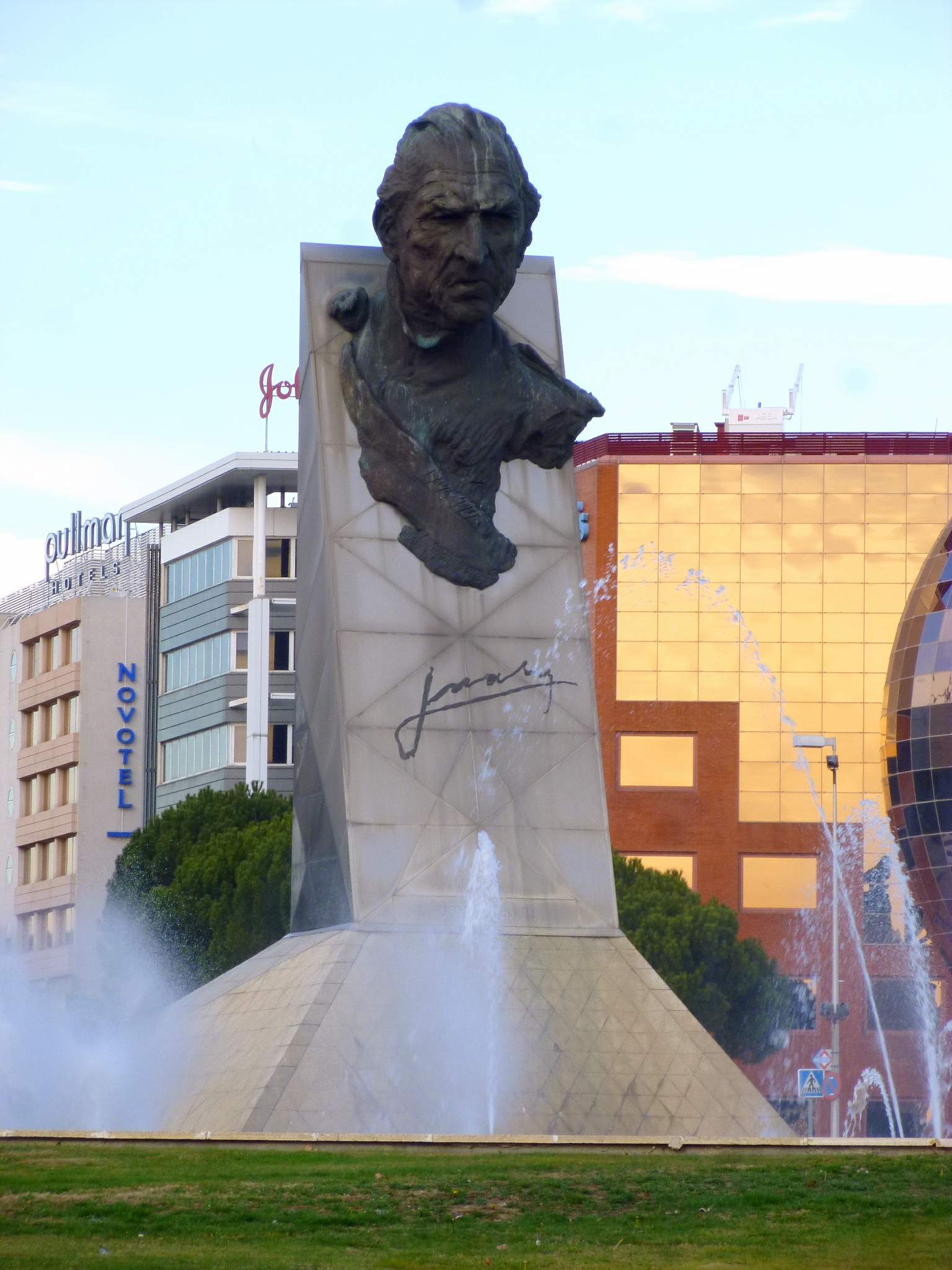
Beyond its name and role as a place of remembrance, the square also holds a monolith dedicated to the victims of General Franco's dictatorship. The Hortaleza district council approved the installation of the monument in October 2016, and it was formally unveiled on 10 February 2019. The decision sparked local political debate: the project was supported by Ahora Madrid and the PSOE, opposed by the Popular Party (PP), while Ciudadanos abstained. It's a small example of how neighbourhood squares in Madrid can become stages for wider conversations about historical memory in Spain.
Who is this square for?
Plaza de Chabuca Granda isn't a "must-see on the map" attraction — it's more of a stop for travellers curious about the less obvious layers of Madrid's history: memory of the civil war, the presence of Latin American communities in the city, and everyday life in neighbourhoods away from the centre. Combining a visit with a walk around Hortaleza is a good way to see a side of Madrid far from the crowds.
When is the best time to visit?
Since this is an open public space with no opening hours, you can visit at any time of year or day. Spring and autumn tend to be the most pleasant seasons for walking around, as temperatures in Madrid are milder than during the hot summer months.
Frequently asked questions
Is Plaza de Chabuca Granda in central Madrid? No — the square is located in the Hortaleza district in the north of the city, away from the main tourist routes.
Who was Chabuca Granda? She was a Peruvian singer and composer known for her popular Peruvian coastal waltzes, celebrated throughout Latin America.
What does the monolith on the square commemorate? The monument, unveiled in 2019, honours the victims of General Franco's dictatorship.
How do I get there? The easiest route is by metro to Hortaleza station (Line 4), about a 4-minute walk from the square.
Nearby places

Earn badges for the places you visit
Download NextOnTrip, discover new places and check off your trails.