About this place
Parque de Villa Rosa Paco Caño is one of the most distinctive parks in the Hortaleza district of Madrid, valued by locals for its quiet atmosphere and unusual symbolic installations.
Where is the park located?
The park sits in the Canillas neighborhood, part of the Hortaleza district, right next to the M-40 ring road. It has an elongated shape, stretching between Calle Aconcagua to the north and Calle de las Pedroñeras to the south, and covers roughly 5 hectares, making it one of the larger green spaces in this part of the city.
How do you get there?
The easiest way is to take the metro to a station serving Hortaleza or Canillas, then walk a short distance to one of the entrances on Calle Aconcagua or Calle de las Pedroñeras. Since the park borders the M-40, arriving by car is also straightforward, though parking directly around the park is limited.
What can you see inside?
A stream runs through the entire length of the park, crossed by nine separate bridges — one of the site's most recognizable features. A walk following the water begins at a sundial and finishes at a dovecote, giving the route a clear start and end point.
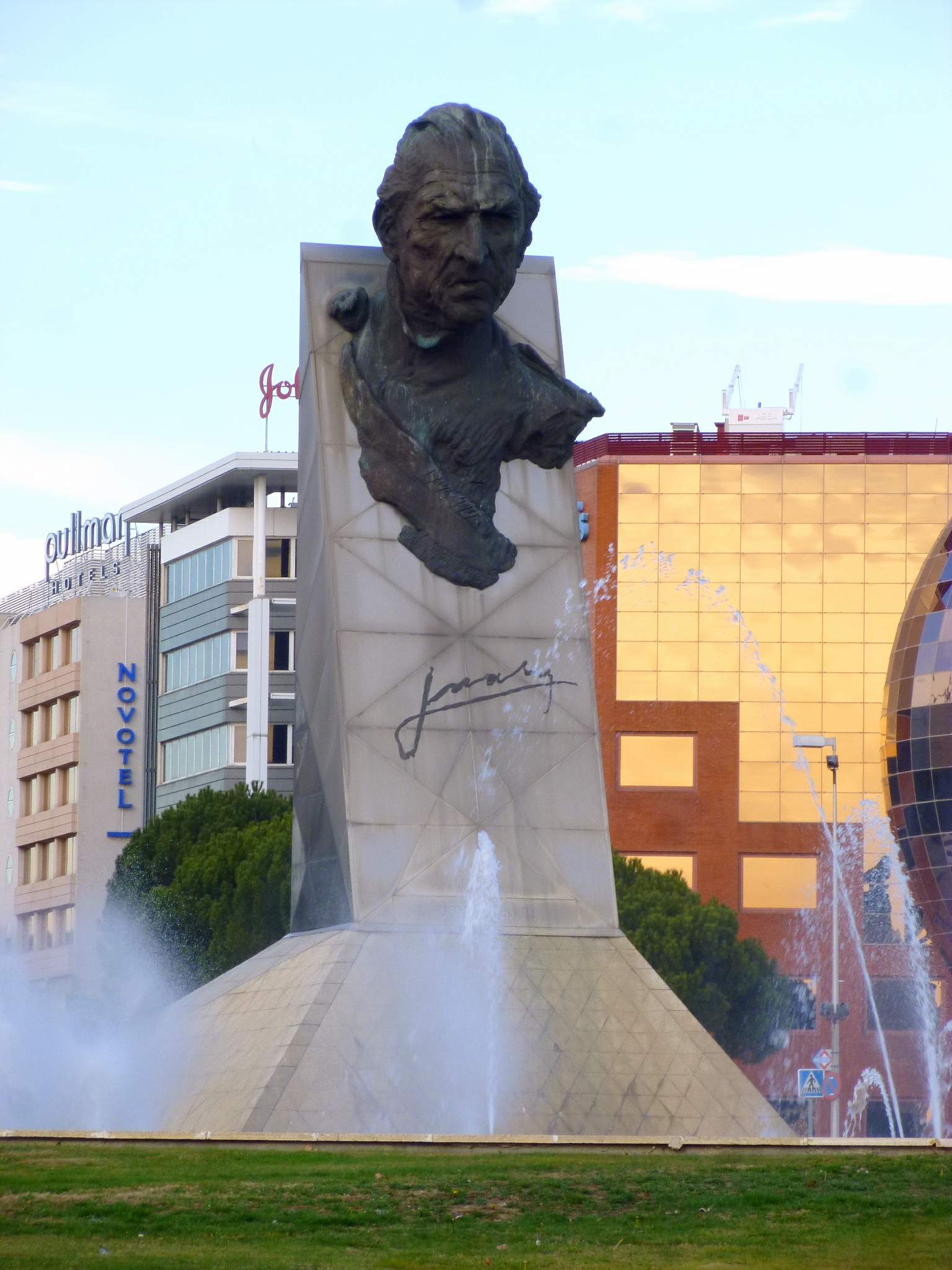
The park's most unusual feature is the so-called "collapsed house," an installation resembling a bombed building. Inside it stands a monument to Enrique Tierno Galván, the long-serving mayor of Madrid — an unusual mix of art, history, and public space rarely found in other parks across the capital. Nearby is a pavilion dedicated to rest and quiet reflection, designed for visitors looking to step away from the noise of the city.
Where does the park's name come from?
The park opened in 1983, inaugurated by Enrique Tierno Galván, then mayor of Madrid, with neighborhood associations from Villa Rosa taking part in its design. It was originally named simply Parque de Villa Rosa. In 2016, the city council decided to add the name of Paco Caño to it — a longtime neighborhood activist, founder of the Villa Rosa residents' association, and president of the Regional Federation of Neighborhood Associations of Madrid (FRAVM) between 2005 and 2007. The renaming honored his years of work for the local community.
Who is this park for?
This is a good option for anyone looking for a quiet walk away from Madrid's main tourist routes. The park is mostly used by residents of the surrounding neighborhoods, which gives it a low-key feel that's different from the busier parks in the city center. For travelers interested in local history and landscape design, it makes an interesting addition to a longer Madrid itinerary.
Frequently asked questions
How big is Parque de Villa Rosa Paco Caño? The park covers about 5 hectares and has an elongated layout that follows a stream from a sundial at one end to a dovecote at the other.
Where does the name Paco Caño come from? It was added to the park's name in 2016 to honor Paco Caño, a neighborhood activist and former president of the Regional Federation of Neighborhood Associations of Madrid.
What is the park's main attraction? The most frequently mentioned feature is the "collapsed house," an installation resembling a bombed building with a monument to Enrique Tierno Galván inside.
When did the park open? It opened in 1983, inaugurated by then-mayor of Madrid Enrique Tierno Galván.
Nearby places

Earn badges for the places you visit
Download NextOnTrip, discover new places and check off your trails.