About this place
Plaza de Asdrúbal is a green square in Cádiz, tucked into a residential seafront district of the city and valued by locals as an everyday spot to relax outdoors.
Where is it and how do you get there?
The square sits in the coastal part of Cádiz, close to Cortadura beach, within walking distance or a short city bus ride from the historic centre. It covers roughly 6,680 square metres (about 1.5 acres), making it one of the larger green spaces in this part of town. Its position near the ocean means the paths open onto wide Atlantic views, with a sea breeze that makes the square pleasant to walk through at almost any time of year.
What is the story behind this place?
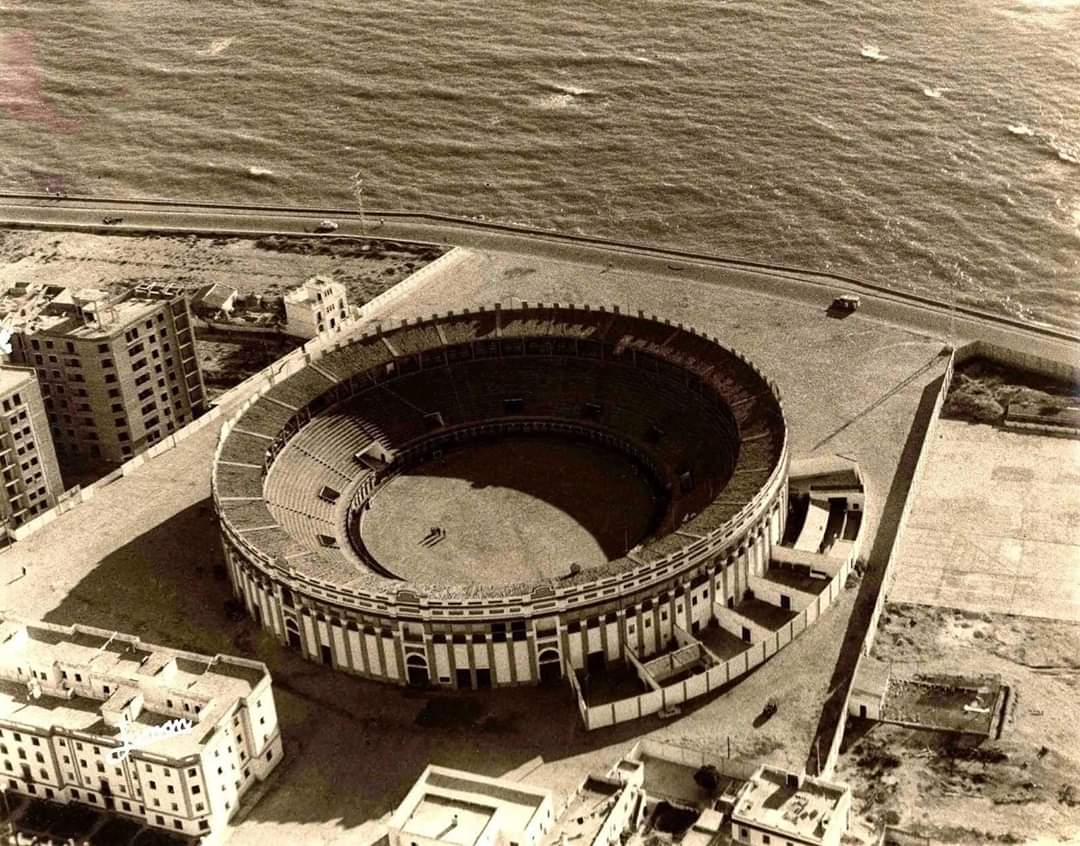
Plaza de Asdrúbal was created in the first decade of the 21st century on a plot that had sat empty and neglected for years. Before that, the site was occupied by the Plaza de Toros — Cádiz's bullring — which was demolished once the city decided to repurpose the land. Rather than building over it again, planners chose to turn the site into a public park open to the whole neighbourhood instead of reserving it for ticketed events. That shift from bullring to public garden is now part of the square's identity.
What will you actually see here?
The layout is built around radial and concentric paths that converge on a central pergola, which serves as the natural meeting point and shaded rest area. A children's play zone and a separate dog area are also part of the design, making the square a practical destination for families and pet owners on a daily walk rather than a one-off sightseeing stop.
The square's most distinctive feature is a set of visible remains from a Roman aqueduct that once carried water to ancient Neapolis, the Roman-era district of Cádiz, drawing from a spring at Tempul. A fragment of this ancient structure was relocated here from Cortadura beach, offering a tangible link to the region's Roman water engineering and giving visitors something genuinely historic to look at within an otherwise modern park.
Elsewhere in the square stands a bust of Blas Infante, regarded as the father of Andalusian nationalism, accompanied by a map of Andalusia and the inscription "Andalucía por sí, para España y la humanidad" ("Andalusia for itself, for Spain, and for humanity"). This memorial corner ties the square to the broader story of Andalusian political and cultural identity.
When is the best time to visit?
Morning or late afternoon are the most comfortable times, when the sun is gentler and the Atlantic breeze keeps things cool. Summer afternoons can get quite hot, so the shade from the pergola and surrounding trees becomes genuinely useful. This is a place for an unhurried walk rather than a guided tour, and it pairs naturally with a trip to nearby Cortadura beach or a stroll along the seafront promenade.
Frequently asked questions
Is Plaza de Asdrúbal a major tourist attraction? Not in the classic sense — it functions mainly as a neighbourhood park, but its history and the Roman remains on site make it a worthwhile stop for visitors interested in the city's layered past.
What used to stand on this site? The Plaza de Toros, Cádiz's bullring, which was demolished before the land was converted into a public park.
Is the square family-friendly? Yes, it has a dedicated children's play area as well as a separate space for dogs.
Is the Roman aqueduct fragment worth seeing? Yes — it is a small but authentic piece of Cádiz's ancient water infrastructure, moved here from Cortadura beach, and it's an unusual find inside an ordinary city park.
Nearby places

Earn badges for the places you visit
Download NextOnTrip, discover new places and check off your trails.